Cyber Security Articles

Latest Insights, Threat Reports & Security Updates

Latest Articles

Stay updated with cybersecurity knowledge

Remediation Management
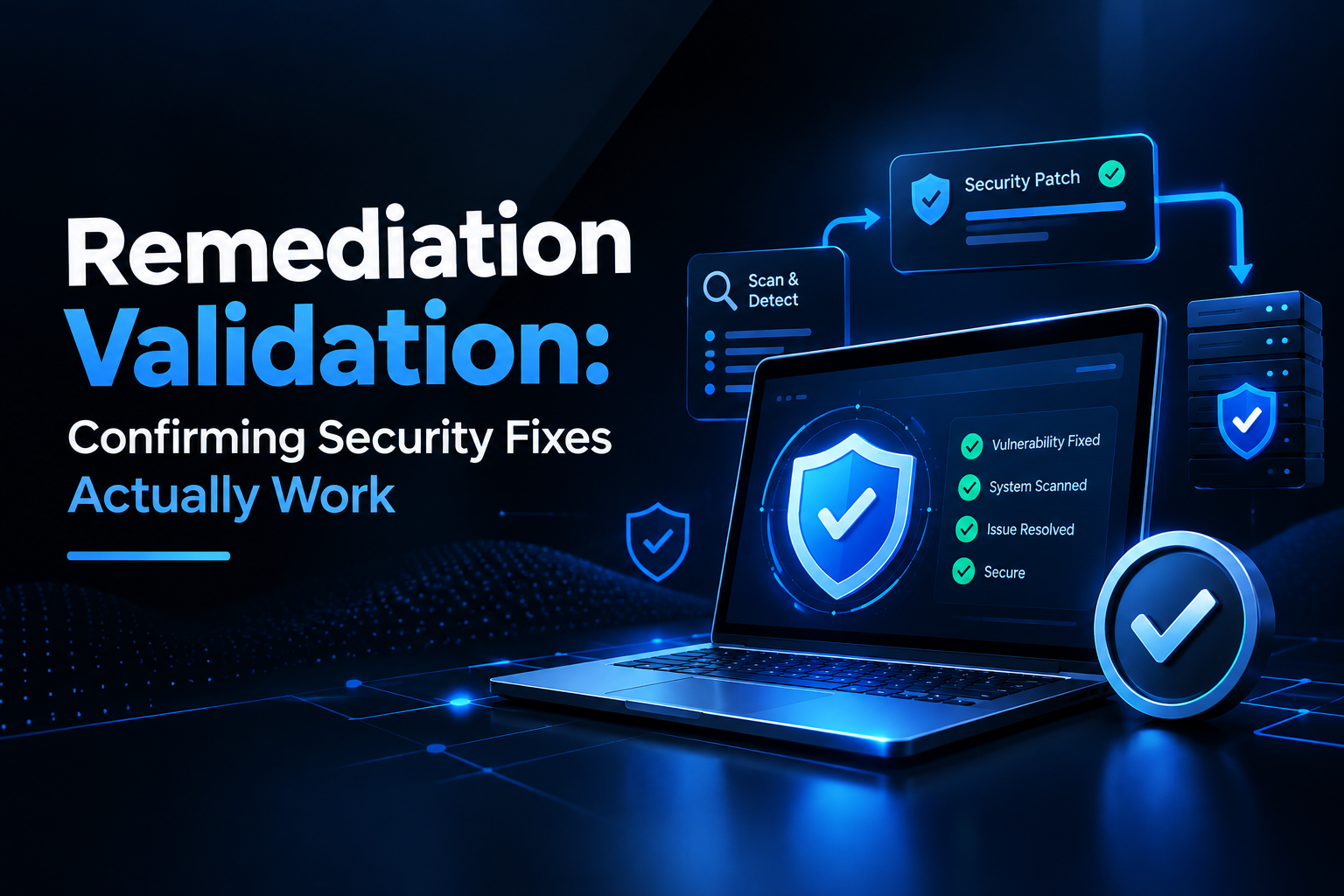
Remediation Validation: Confirming Security Fixes Actually Work
Identifying a security vulnerability is only the first step toward improving an organization's security posture. After a vulnerability has been reported, the next important step is remediation. However, applying a patch, changing a configuration, or modifying application code does not automatically prove that the original security issue has been resolved.Remediation validation is the process of retesting a previously identified vulnerability after corrective action has been implemented. It helps security teams confirm whether the original weakness is no longer detectable under the relevant test conditions. OWASP vulnerability management guidance similarly emphasizes that remediation should be followed by testing rather than simply assuming that a finding has been resolved.For organizations looking for professional vulnerability assessment and penetration testing support, https://www.rashicore.com/vapt.php provides information about VAPT services, including automated scanning, manual penetration testing, exploitation and validation, and reporting.What Is Remediation Validation?Remediation validation is a follow-up security assessment performed after a vulnerability has been addressed. The objective is to determine whether the specific weakness identified during the original assessment is still present.Depending on the vulnerability, validation may involve:A targeted vulnerability rescanManual security testingApplication testingConfiguration verificationCode-level testingRepeating the original proof-of-conceptRegression testingThe validation method should match the original vulnerability and the remediation that was applied.Why Security Fixes Need to Be RetestedA vulnerability can remain present even after a remediation task has been marked as completed. A patch may have been applied to the wrong system, a configuration change may have been incomplete, or a code fix may address only one variation of the original weakness.OWASP describes verification as an important part of secure development and vulnerability management, including automated security testing, manual testing, penetration testing, and security control verification.Retesting therefore provides evidence that the corrective action changed the security condition that originally produced the finding.1. Review the Original VulnerabilityBefore beginning validation, security teams should review the original finding carefully.Important information can include:Vulnerability nameAffected assetAffected URL or endpointSeverityEvidence from the original assessmentExploitation or detection methodRoot causeRecommended remediationOriginal test conditionsThis information creates a baseline against which the new result can be compared.2. Confirm the Remediation AppliedThe next step is to understand what corrective action was implemented.Depending on the finding, remediation could involve:Installing a security patchUpdating a software versionChanging server configurationCorrecting access permissionsModifying application codeRemoving an insecure componentStrengthening authentication controlsImplementing a compensating security controlThe validation process should confirm that the change was applied to the affected environment rather than assuming that a reported change was successfully deployed everywhere.3. Reproduce the Original FindingWhenever possible, the validation test should follow the same general path used to identify the vulnerability.This creates a meaningful comparison between the original and current results.For example, if an application vulnerability was originally identified through a specific endpoint and input condition, the tester can assess that same endpoint and condition after remediation.This approach helps determine whether the original exposure has actually changed.4. Perform a Targeted RescanA targeted rescan can be useful for vulnerabilities that were originally detected through automated security scanning.The security team can scan the affected asset again and compare the result with the original finding.However, a clean scan should be interpreted carefully. A scanner's non-detection indicates that the specific vulnerability was not detected under the conditions of that test; it does not by itself guarantee that every related weakness has been eliminated.5. Conduct Manual Retesting When NecessaryAutomated scanning cannot always verify complex application behavior, business logic, authentication controls, or configuration interactions.Manual testing can therefore be valuable when the original finding required human analysis or exploitation validation.For VAPT engagements, combining automated assessment with manual penetration testing can provide broader validation coverage. Rashicore's VAPT approach includes automated vulnerability scanning, manual penetration testing, exploitation and validation, and detailed reporting.Organizations can explore these VAPT capabilities at https://www.rashicore.com/vapt.php.How Remediation Validation Supports VAPTVulnerability Assessment and Penetration Testing is not limited to finding security weaknesses. A complete security process also includes understanding the finding, supporting remediation, and validating whether corrective actions address the identified exposure.Rashicore's VAPT services describe an approach that includes vulnerability scanning, manual penetration testing, exploitation and validation, and detailed reporting.Businesses can learn more about VAPT and security assessment services through https://www.rashicore.com/vapt.php.ConclusionRemediation should not be considered complete simply because a patch has been installed or a configuration has been changed. Security teams need evidence that the corrective action addressed the original vulnerability under relevant testing conditions.Remediation validation provides this important verification step through targeted rescanning, manual retesting, regression testing, evidence collection, and clear status reporting. When integrated into the wider VAPT and vulnerability management lifecycle, validation helps organizations maintain a more accurate understanding of their security posture.For professional vulnerability assessment, penetration testing, exploitation validation, and security reporting, explore https://www.rashicore.com/vapt.php.
Oct 01, 2026
Read More →
Research Data Protection
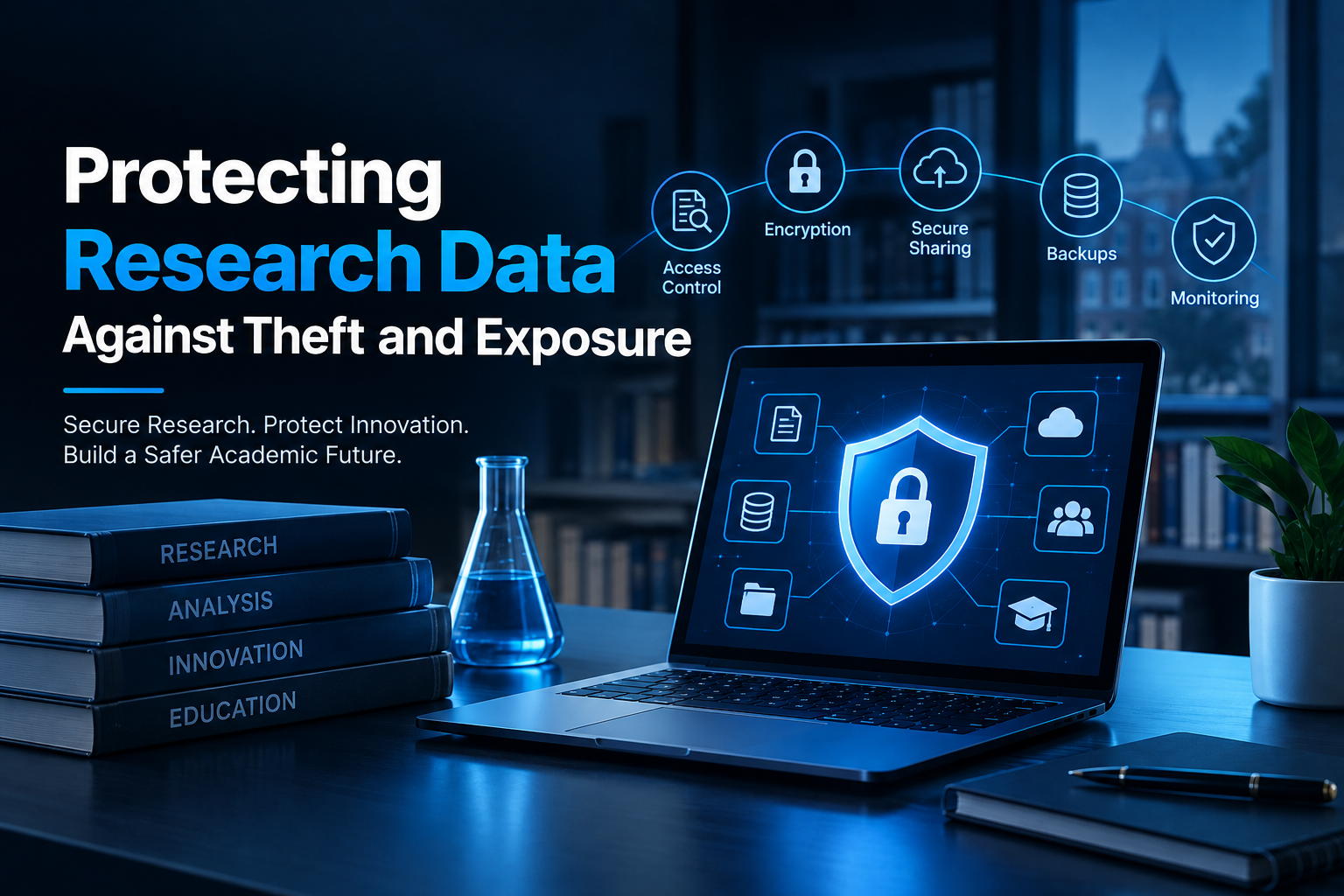
Protecting Research Data Against Theft and Exposure
IntroductionResearch data is one of the most valuable assets within educational institutions. Universities, colleges, laboratories, and research organizations collect and manage large volumes of information, including experimental results, survey responses, student records, intellectual property, unpublished findings, and sensitive participant information.As research becomes increasingly digital and collaborative, this information may be stored across institutional servers, cloud platforms, research applications, personal devices, and third-party services. This creates multiple points where unauthorized access, accidental exposure, data theft, or loss can occur.A structured https://www.rashicore.com/education.php security approach can help educational organizations protect research information while maintaining the accessibility and collaboration required for academic work.Why Research Data Needs Strong ProtectionResearch data can contain information that is valuable to researchers, institutions, commercial partners, and unauthorized individuals. A breach can affect confidentiality, research integrity, intellectual property, and the privacy of research participants.The National Institute of Standards and Technology (NIST) notes that research environments have unique cybersecurity considerations because higher-education research is often collaborative and decentralized.Protecting research data therefore requires more than securing a single database. Institutions need to consider how data is collected, stored, processed, shared, preserved, and eventually deleted.Common Risks to Research DataUnauthorized AccessWeak passwords, compromised accounts, excessive privileges, or poorly protected systems can allow unauthorized users to access research information.Access should be based on legitimate responsibilities, with users receiving only the permissions required to perform their work.Phishing and Credential TheftResearchers and academic staff may receive targeted emails containing malicious links or fake login pages. If credentials are compromised, attackers may use legitimate accounts to access research systems.Multi-factor authentication, security awareness training, and monitoring can help reduce these risks.Cloud Data ExposureCloud platforms can simplify research collaboration but may introduce risks when storage permissions are incorrectly configured.Institutions should review cloud access permissions regularly and ensure that sensitive research files are not unintentionally exposed to unauthorized users.Protect Research Data Throughout Its LifecycleNIST's Research Data Framework organizes research data activities across stages including planning, generation or acquisition, processing and analysis, sharing and reuse, and preservation or disposal.Data CollectionBefore collecting information, researchers should understand what data is necessary and classify sensitive information appropriately.Where personal or confidential information is involved, institutions should establish appropriate privacy and security requirements before collection begins.Data StorageResearch datasets should be stored in approved and secured environments. Access should be restricted according to roles and responsibilities.Sensitive information should also be protected through appropriate encryption and backup controls.Data ProcessingResearchers should ensure that applications, databases, and analytical environments are properly secured.Access logs and monitoring can help institutions identify unusual activity and investigate potential security incidents.Data SharingResearch collaboration should not mean unrestricted access.Organizations should establish controlled mechanisms for sharing research datasets and review third-party access carefully. Where possible, sensitive information should be minimized or de-identified before it is shared.The U.S. Department of Education provides resources for researchers concerning disclosure avoidance, de-identification, and suppression of personally identifiable information in education records.Data Retention and DisposalNot every dataset needs to be retained indefinitely. Organizations should define appropriate retention periods and securely dispose of information when it is no longer required.The U.S. Department of Education identifies data retention and destruction as important elements of education-data governance and security practices.Protecting Research Data in Collaborative EnvironmentsModern research frequently involves collaboration between departments, universities, laboratories, government organizations, and private-sector partners.While collaboration can accelerate research, it also creates additional access points. NIST's research-security resources emphasize risk-based approaches for protecting research and intellectual property while maintaining legitimate collaboration.Organizations should establish clear requirements for:Who can access research dataWhich datasets can be sharedHow data should be transferredHow external users are authenticatedHow third-party access is monitoredWhen access should be removedHow data should be returned or destroyedEducational institutions can strengthen their overall security posture by incorporating structured cybersecurity practices into their technology and research environments. More information about securing education-sector systems is available through https://www.rashicore.com/education.php.ConclusionResearch data protection requires a lifecycle-based approach that covers collection, storage, processing, sharing, preservation, and secure disposal. Strong access controls, encryption, multi-factor authentication, backups, monitoring, security awareness, and regular assessments can help reduce the risk of theft and accidental exposure.Educational institutions should also consider the unique challenges of research environments, where open collaboration and decentralized systems can create additional security considerations. A structured https://www.rashicore.com/education.php approach to cybersecurity can help protect research information while supporting legitimate academic collaboration.
Sep 21, 2026
Read More →
Secure Development
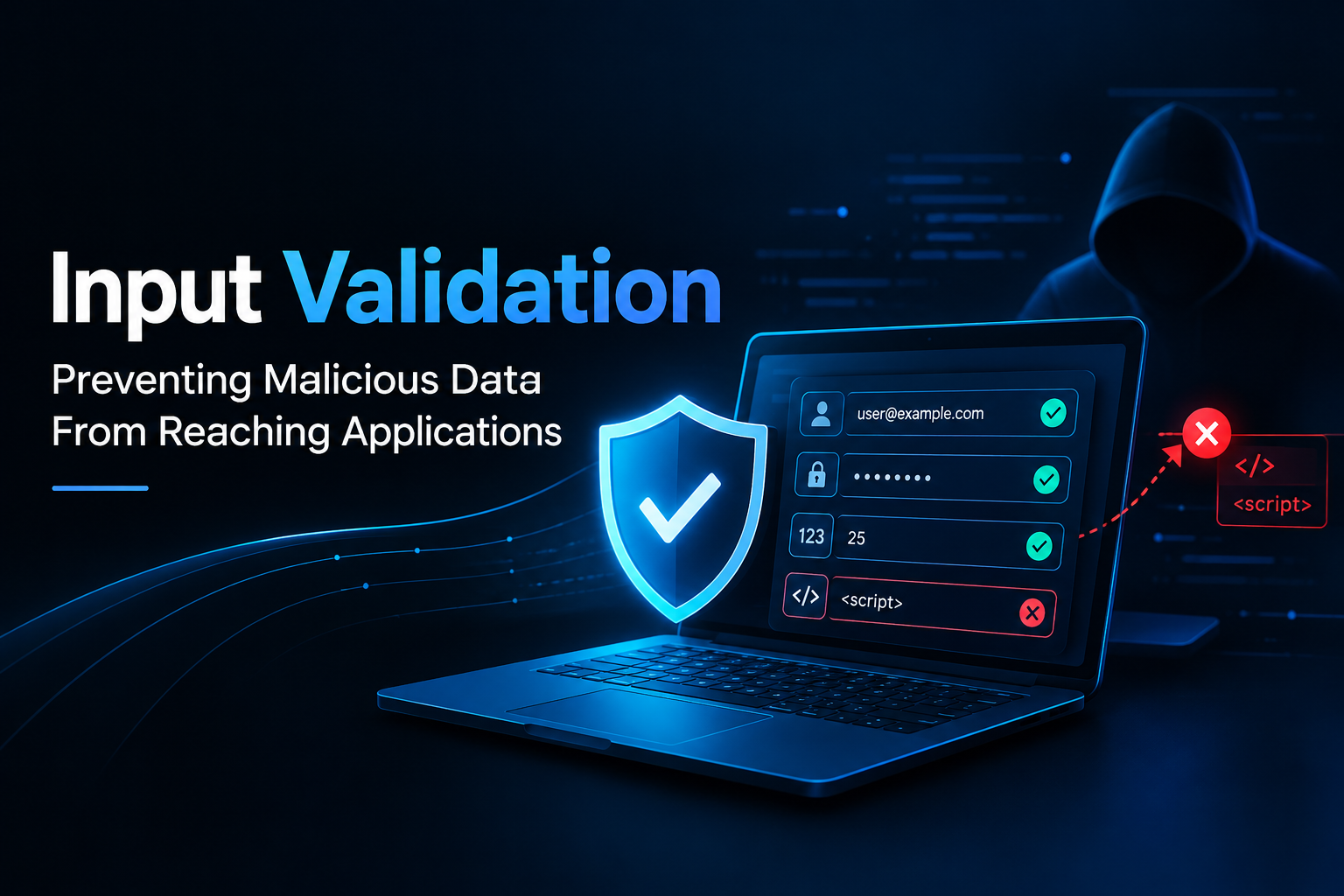
Input Validation: Preventing Malicious Data From Reaching Applications
IntroductionWeb applications continuously receive data from users, APIs, browsers, third-party services, and other external systems. While much of this information is legitimate, attackers can also manipulate input fields, parameters, headers, file uploads, and API requests to introduce malicious or unexpected data.Input validation helps applications determine whether incoming data matches the expected format, type, length, and business rules before it is processed. Effective validation should begin as early as possible and should be performed on the server because client-side validation can be bypassed.For organizations handling sensitive information, combining strong validation practices with professional https://www.rashicore.com/web-application-security.php can help identify weaknesses before attackers exploit them.What Is Input Validation?Input validation is the process of checking incoming data against predefined requirements before allowing an application to process it.For example, an application may expect:An email address to follow a valid formatA phone number to contain an appropriate number of digitsA quantity to be within an acceptable rangeA date to follow the expected formatA username to remain within a defined character and length limitAn uploaded file to match an approved file type and sizeValidation should consider both syntax and meaning. A value can have the correct format but still be invalid in the application's business context. OWASP recommends validating both syntactic and semantic correctness.Why Malicious Input Is a Security RiskApplications often pass user-controlled data through multiple components such as databases, APIs, operating-system functions, templates, and third-party services. If unexpected input reaches these components without appropriate controls, it may contribute to vulnerabilities such as:SQL injectionCross-site scripting (XSS)Command injectionPath traversalMalicious file uploadsBusiness logic abuseDenial-of-service conditionsUnexpected application behaviorCommon Input Validation Techniques1. Use Allowlist ValidationAllowlist validation defines what data is permitted instead of attempting to identify every possible malicious pattern.For example, if a field should contain only numeric values, the application should explicitly accept the required numeric format and reject unexpected values.OWASP recommends allowlisting whenever practical because attackers can often bypass simple denylist filters.2. Validate Data TypesApplications should confirm that incoming values have the expected data type.A field designed to receive an integer should not accept arbitrary strings. Similarly, boolean, date, currency, and enumerated values should be validated according to their expected types.Strong typing can provide an additional layer of protection for APIs and application parameters.3. Apply Length and Range RestrictionsEvery input field should have reasonable limits.For example:Username: defined minimum and maximum lengthComment: maximum character limitQuantity: minimum and maximum acceptable valueFile upload: maximum permitted sizeAPI request: maximum request body sizeThese controls help prevent unexpected data from reaching application components and can also reduce certain resource-exhaustion risks.4. Perform Server-Side ValidationClient-side JavaScript validation can improve user experience, but it should never be the only security control.An attacker can modify requests, disable JavaScript, or use a proxy to send data directly to the server. Therefore, important validation rules must be enforced on the server before the application processes the data.Organizations can also use https://www.rashicore.com/web-application-security.php to assess application security controls and identify weaknesses that may allow unsafe data to reach sensitive application functions.Input Validation for APIsModern applications frequently exchange information through APIs. API endpoints should treat incoming parameters and objects as untrusted until they have been validated.Important checks include:Data typeFormatLengthNumeric rangeAllowed valuesRequest sizeContent typeBusiness rulesInput Validation and Business LogicSecurity validation should go beyond checking whether data looks technically correct.For example, a discount value may be a valid number but still exceed the maximum discount allowed by the business. Likewise, two individually valid dates may form an invalid booking period when combined.Semantic validation checks whether input makes sense within the application's business rules.How Secure Development Teams Can Improve ValidationA secure development approach should include validation throughout the application lifecycle.Development teams can:Identify every external input source.Classify inputs as trusted or untrusted.Define expected formats and data types.Use allowlists wherever practical.Apply length and range restrictions.Enforce validation on the server.Validate file uploads separately.Apply business-rule validation.Use parameterized database queries.Apply context-specific output encoding.Security testing can help uncover validation weaknesses that may not be visible during normal application testing. A dedicated https://www.rashicore.com/web-application-security.php assessment can support organizations in identifying application-level security gaps and improving defensive controls.ConclusionInput validation is a fundamental part of secure web application development. By controlling the type, format, length, range, and business meaning of incoming data, organizations can reduce the opportunity for malicious or unexpected information to reach sensitive application functions.However, validation should work as part of a broader security strategy. Server-side validation, secure database practices, output encoding, file-upload controls, authentication security, and regular application security testing should work together to create stronger protection.Transform Your Application SecurityStrengthen your application security approach with structured testing, vulnerability identification, secure development practices, and remediation guidance. Explore https://www.rashicore.com/web-application-security.php to learn more about web application security solutions.
Sep 21, 2026
Read More →
Digital Assessment Protection
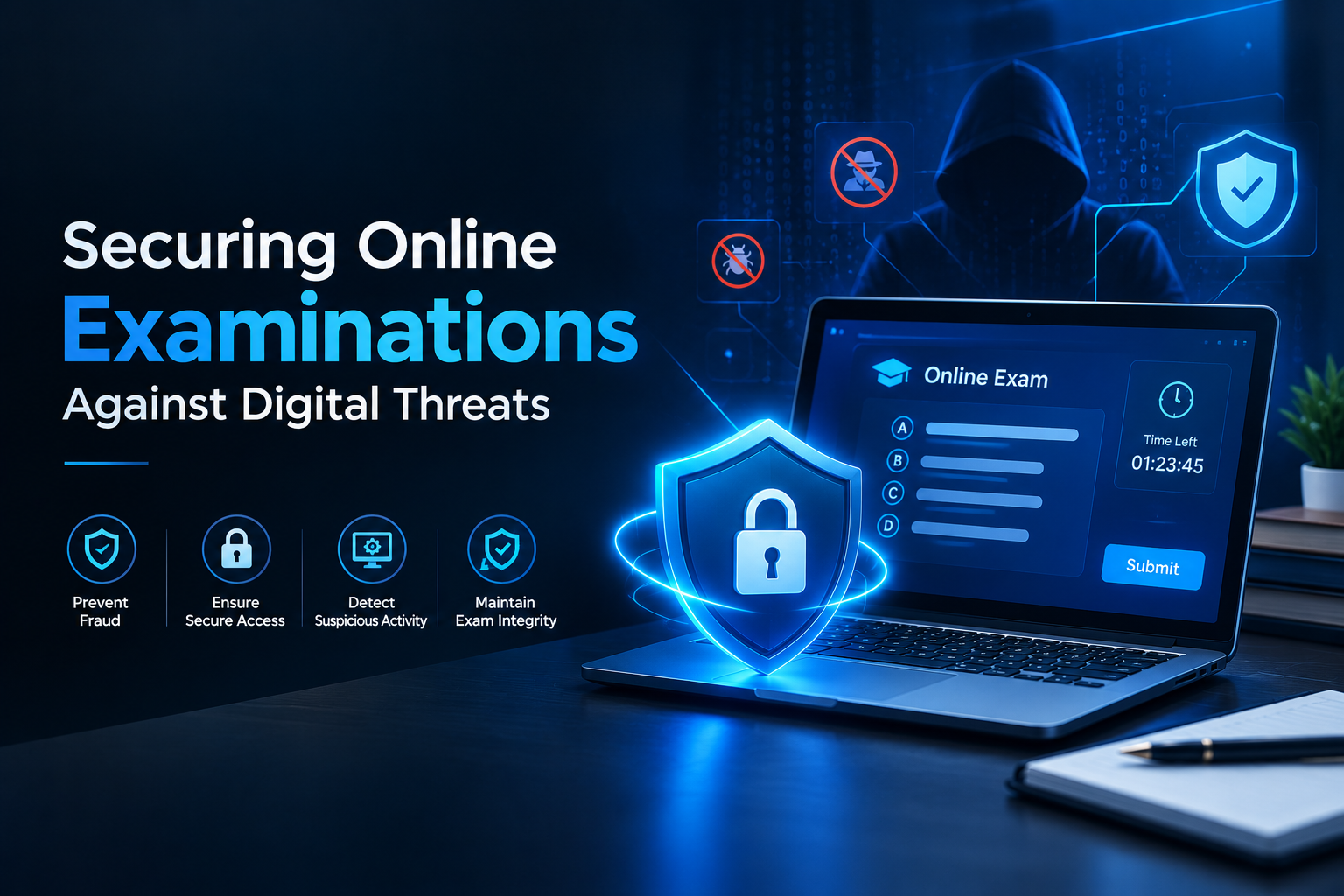
Securing Online Examinations Against Digital Threats
Online examinations have transformed how schools, colleges, universities, and professional institutions evaluate learners. They provide flexibility, scalability, and faster assessment, but they also introduce cybersecurity challenges. Research on online assessment security highlights threats such as impersonation, collusion, unauthorized access, content leakage, and other forms of academic misconduct.As examination systems become increasingly digital, institutions need to protect not only the exam platform but also student identities, examination content, submitted answers, and assessment records.Why Online Examinations Need Stronger SecurityA digital examination platform handles sensitive information throughout the entire assessment lifecycle. This may include student registration details, login credentials, examination questions, answers, scores, recordings, and administrative data.A security weakness at any stage can affect examination integrity. Current research and assessment-security guidance identify authentication, unauthorized access, malpractice prevention, secure data management, and platform reliability as important areas of concern.Common Digital Threats to Online Examinations1. Account Takeover and ImpersonationWeak passwords, credential sharing, phishing, or compromised accounts can allow an unauthorized person to access an examination. Impersonation is particularly important because the person completing an assessment may not be the registered candidate.Institutions can reduce this risk through stronger authentication, controlled login sessions, multi-factor authentication, and appropriate identity verification.2. Examination Content LeakageQuestion papers and assessment materials are valuable information. Unauthorized access to question banks, screenshots, leaked credentials, or improperly secured databases can expose examination content before or during an assessment.Using access controls, encryption, secure storage, and carefully managed permissions can help limit unnecessary exposure.3. Malware and Phishing AttacksStudents, teachers, and examination administrators may become targets of phishing emails or malicious links. A compromised administrator account could potentially provide attackers with access to examination systems or sensitive data.Security awareness training and strong authentication should therefore form part of an institution's digital examination security strategy.4. Denial-of-Service AttacksOnline examinations depend on the availability of servers, networks, and application infrastructure. A disruption during a high-stakes examination can prevent students from accessing their assessments or submitting answers.Institutions should consider infrastructure monitoring, capacity planning, backup connectivity, and incident-response procedures when preparing for large examination events.Protecting Examination DataSecurity should cover examination data from creation through storage, delivery, submission, evaluation, and archival.Important measures include:Encryption during transmission and storageRole-based access controlsLeast-privilege permissionsSecure database configurationRegular vulnerability assessmentsAudit loggingSecure backupsControlled access to question banksDefined data-retention proceduresThese controls can help institutions maintain confidentiality, integrity, and availability throughout the assessment lifecycle.Secure Examination Platform DesignSecurity should also be incorporated into the design of the examination platform itself. A secure system should be regularly tested for vulnerabilities before being used for important assessments.Application security testing can help identify weaknesses such as authentication flaws, insecure access controls, exposed data, injection vulnerabilities, and configuration problems.Institutions can also use security monitoring to identify suspicious activity during and after examinations.Regular Security Testing Is EssentialCybersecurity should not be treated as a one-time activity before examination season. Examination platforms, authentication systems, APIs, databases, and supporting infrastructure can change over time.Regular vulnerability assessments, penetration testing, access reviews, security monitoring, and backup/recovery testing can help institutions identify weaknesses before they affect an examination.For institutions looking to strengthen their overall education-sector cybersecurity approach, Rashicore provides information about its Education security solutions here:https://www.rashicore.com/education.phpConclusionOnline examinations require security measures that cover the complete assessment lifecycle—from student authentication and examination-content protection to data storage, monitoring, submission, and recovery. A combination of secure technology, appropriate assessment design, regular security testing, and clear operational procedures can help educational institutions create more resilient digital assessment environments.For more information about cybersecurity solutions for educational institutions, visit:https://www.rashicore.com/education.php
Sep 19, 2026
Read More →
Recovery Readiness
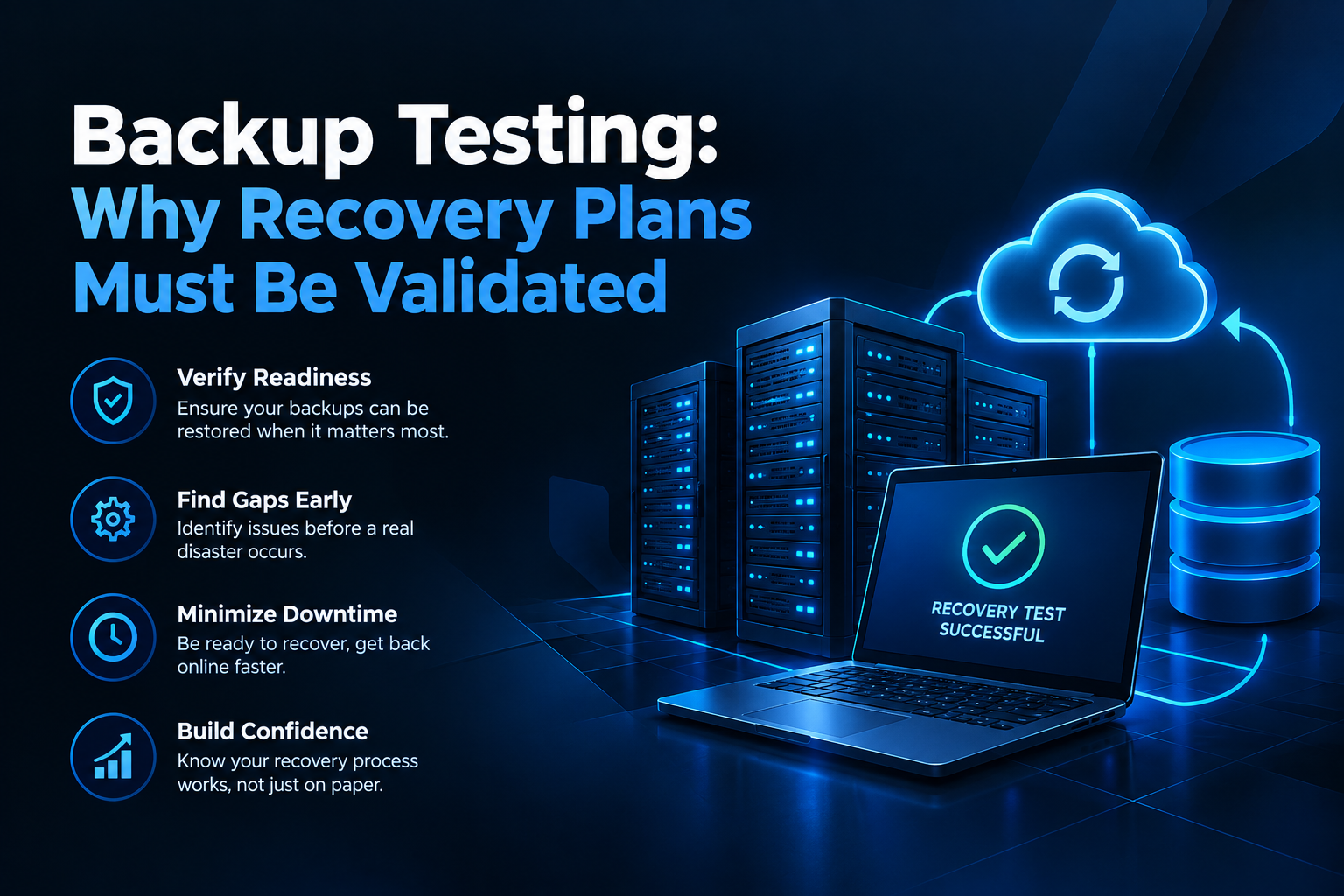
Backup Testing: Why Recovery Plans Must Be Validated
IntroductionA backup strategy can provide an important layer of protection against accidental deletion, system failures, cyber incidents, hardware problems, and other disruptions. However, creating backups does not automatically guarantee that an organization will be able to recover its data when it is needed.The real question is not simply “Do we have backups?” but “Can we successfully restore from those backups?”Backup testing provides a practical way to answer that question. By periodically restoring selected data, applications, or systems in a controlled environment, organizations can identify problems before an actual recovery event occurs.CISA guidance emphasizes testing backup and storage procedures and using test results to identify improvements to continuity plans.Why Backup Testing MattersBackups can fail to provide effective recovery for several reasons. Files may be incomplete, backup jobs may have failed silently, credentials may no longer work, or recovery procedures may depend on systems that have changed since the backup was created.Testing helps organizations move beyond simply storing backup copies and verify the complete recovery process.A proper testing program can help determine:Whether backup data is accessibleWhether files can be restored correctlyWhether applications can be recoveredWhether required credentials and permissions are availableWhether recovery procedures are accurateWhether recovery can meet defined objectivesWhether staff understand their recovery responsibilitiesCISA's Cyber Resilience Review specifically recommends testing backup and storage procedures for high-value information assets and comparing test results against established objectives.What Should Be Included in a Backup Test?A backup test should reflect the organization's actual recovery requirements. Depending on the environment, testing can involve individual files, databases, applications, virtual machines, servers, or larger groups of systems.1. File Restoration TestingStart with individual files or folders to confirm that selected backup data can be located and restored successfully.This can help identify problems with:File availabilityBackup retentionPermissionsBackup indexingRestoration procedures2. Application Recovery TestingFor business-critical applications, restoring individual files may not be enough. Organizations should verify whether the application and its required dependencies can be brought back into operation.3. System Recovery TestingSystem-level testing can help determine whether servers, virtual machines, or other infrastructure components can be restored according to documented procedures.4. Database Recovery TestingDatabases often require specific recovery procedures. Testing should verify that database backups can be restored and that the recovered data is usable.5. Recovery Procedure TestingThe technical backup itself is only one part of recovery. Teams should also test the documented steps, communication procedures, access requirements, responsibilities, and escalation processes.Test Recovery Against Defined ObjectivesRecovery testing becomes more useful when organizations establish measurable objectives.Two commonly used concepts are:Recovery Point Objective (RPO):The amount of data loss, measured in time, that an organization is prepared to accept.Recovery Time Objective (RTO):The target amount of time within which a system or service should be restored.For example, if a critical application has a four-hour RTO, a recovery exercise can determine whether the documented process can realistically restore the application within that timeframe.Testing can therefore reveal differences between planned recovery capabilities and actual recovery performance.How to Build a Practical Backup Testing ProcessOrganizations can establish a structured testing cycle instead of treating recovery testing as a one-time exercise.Step 1: Identify Critical Data and SystemsDetermine which information assets and applications are essential to business operations.Step 2: Define Recovery RequirementsDocument appropriate recovery objectives, including acceptable recovery time and data-loss requirements.Step 3: Select a Testing MethodTesting can range from individual file restoration to application recovery exercises or larger recovery simulations.Step 4: Perform the Recovery TestRestore selected data or systems in a controlled environment while following the documented recovery process.Step 5: Record the ResultsDocument:What was testedDate of the testBackup sourceRestoration timeIssues encounteredData successfully recoveredFailed recovery stepsRequired corrective actionsStep 6: Improve the Recovery PlanTest results should feed directly into improvements. CISA guidance notes that comparing test results with objectives can identify improvements to service continuity and recovery plans.How Data Protection Supports Recovery ReadinessBackup testing should form part of a broader data protection strategy. Organizations need to consider how information is backed up, stored, protected, retained, restored, and reviewed.A structured approach can include:Regular backup schedulesAppropriate retention policiesSecure backup storageAccess controlsEncryption where appropriateBackup monitoringRestoration testingRecovery documentationPeriodic review of recovery requirementsCISA materials also describe the importance of testing backups and incorporating lessons from continuity exercises into future improvements.For organizations reviewing their overall data protection practices, more information is available at:https://www.rashicore.com/data-protection.phpConclusionBackup testing turns a backup strategy into a more measurable recovery capability. Instead of assuming that stored backup copies will work during an emergency, organizations can regularly validate restoration procedures, identify weaknesses, and improve recovery processes.A reliable recovery strategy should therefore include not only backup creation and secure storage but also regular restoration testing, documented results, defined recovery objectives, and continuous improvement.Organizations looking to strengthen their approach to data protection and recovery readiness can review:https://www.rashicore.com/data-protection.phpAdditional security and resilience considerations can be integrated with the organization's broader cybersecurity planning and recovery processes.
Sep 19, 2026
Read More →
Session Protection
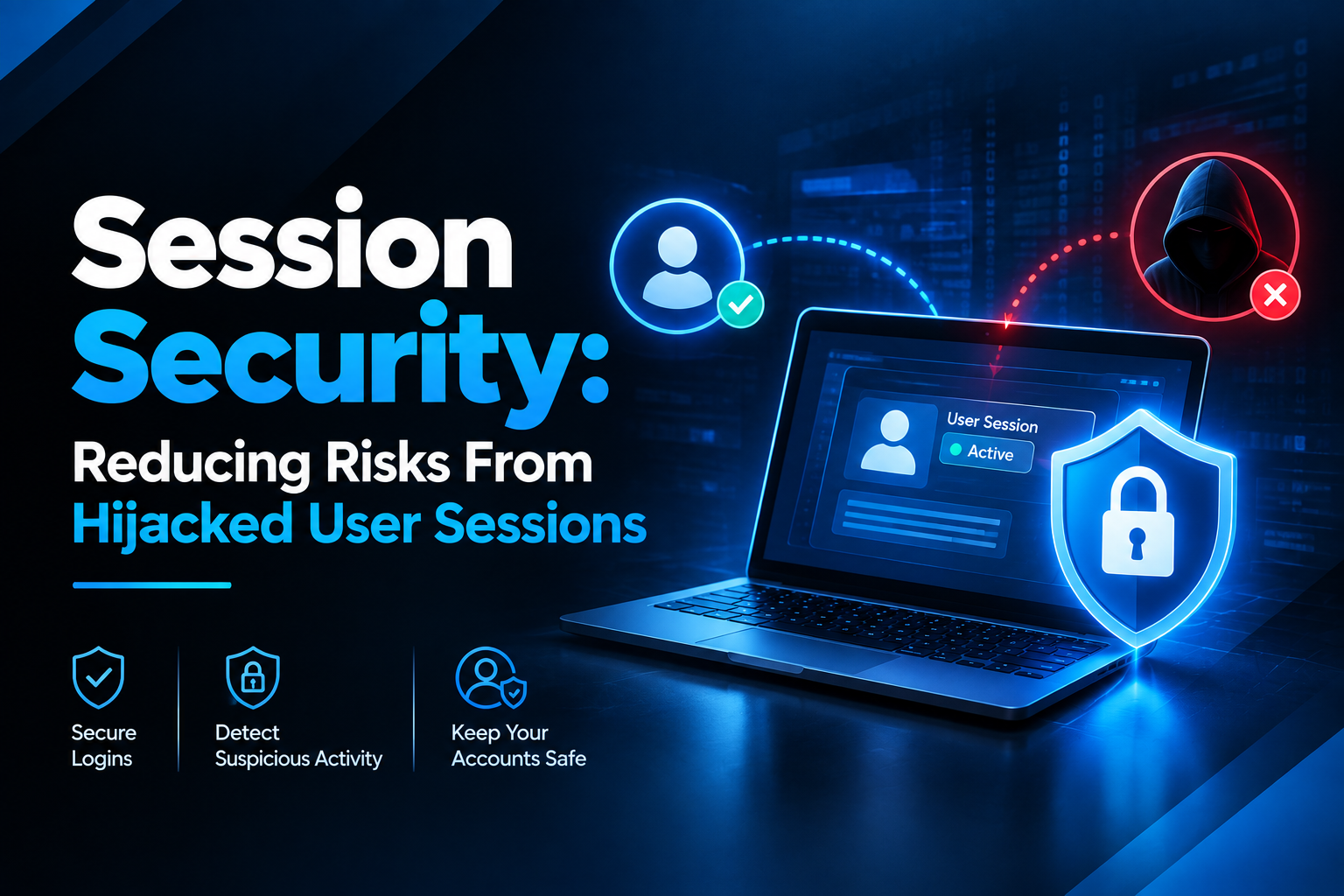
Session Security: Reducing Risks From Hijacked User Sessions
Modern web applications rely on user sessions to keep people authenticated while they move between pages, access accounts, and perform different actions. Once a user successfully logs in, the application generally creates a session that identifies and maintains that authenticated state.However, if a session is stolen or improperly managed, an attacker may be able to use the valid session to access an account without knowing the user's password. This makes session security an important part of protecting web applications and sensitive user information.What Is Session Hijacking?Session hijacking occurs when an attacker obtains or takes control of a valid user session. Instead of directly breaking the user's password, the attacker attempts to reuse the session identifier or authentication information associated with the legitimate user.Depending on the privileges of the compromised account, this could allow unauthorized access to:User profilesCustomer informationAccount settingsBusiness applicationsFinancial informationAdministrative functionsInternal resourcesStrong session management can help reduce the likelihood and impact of these attacks.How User Sessions Can Be CompromisedSeveral security weaknesses can increase the risk of session hijacking.1. Exposed Session CookiesSession cookies contain information that can help a browser maintain an authenticated session. If these cookies are exposed through insecure communication, malicious scripts, or other vulnerabilities, attackers may attempt to reuse them.Applications should use secure cookie configurations and protect session identifiers from unnecessary exposure.2. Missing HTTPS ProtectionTransmitting authentication information or session data over insecure connections can increase the risk of interception.HTTPS should be consistently implemented across authenticated areas of a web application so that sensitive communication is encrypted during transmission.3. Weak Session Cookie SettingsCookie attributes play an important role in session security. Applications should appropriately configure attributes such as:SecureHttpOnlySameSiteThese controls can help reduce certain risks involving session theft, unauthorized cookie access, and cross-site request scenarios.Reauthentication for Sensitive ActionsNot every action should necessarily rely on an existing session alone.For sensitive operations such as changing passwords, modifying account recovery information, changing payment details, or performing administrative actions, applications can require additional authentication or reauthentication.This creates another security barrier if an active session has been compromised.Session Security and Web Application ProtectionSession management should be treated as part of the overall application security lifecycle rather than as an isolated authentication feature.A broader security review can examine authentication mechanisms, session handling, authorization controls, application logic, and common web vulnerabilities.Rashicore's Web Application Security services cover areas such as application security testing, source code analysis, Secure SDLC implementation, and vulnerability remediation. https://www.rashicore.com/web-application-security.phpMonitoring Suspicious Session ActivitySession security does not end after implementing technical controls. Monitoring can help organizations identify unusual activity that may indicate compromised accounts or sessions.Potential indicators can include:Sudden changes in geographic access patternsMultiple simultaneous sessionsUnusual device activityAbnormal account behaviorRepeated authentication anomaliesAccess to sensitive functions outside normal patternsSecurity teams can use application logs and authentication monitoring to investigate suspicious activity.For organizations looking to identify weaknesses in application authentication and session handling, security testing can provide useful visibility into potential vulnerabilities. https://www.rashicore.com/web-application-security.phpWhy Session Security Matters for BusinessesA compromised session can sometimes bypass the need for an attacker to repeatedly authenticate with a password. If the affected account has significant privileges, the consequences may extend beyond a single user.Businesses should therefore consider session management as part of their broader web application security strategy.Application security assessments can help evaluate authentication, session handling, authorization, and other controls that protect application users and business data. https://www.rashicore.com/web-application-security.phpConclusionUser sessions provide an essential mechanism for maintaining authenticated access in modern web applications, but poorly managed sessions can create opportunities for unauthorized access. Session hijacking, fixation, exposed cookies, weak timeouts, and inadequate reauthentication controls can all increase security risks.Organizations can strengthen session protection by combining secure cookie configurations, HTTPS, session regeneration, appropriate expiration policies, reauthentication, monitoring, and regular application security testing.A structured Web Application Security approach can help businesses identify weaknesses in authentication and session management before they become more serious security incidents. More information is available at https://www.rashicore.com/web-application-security.php 
Sep 18, 2026
Read More →
Cloud Risk Management
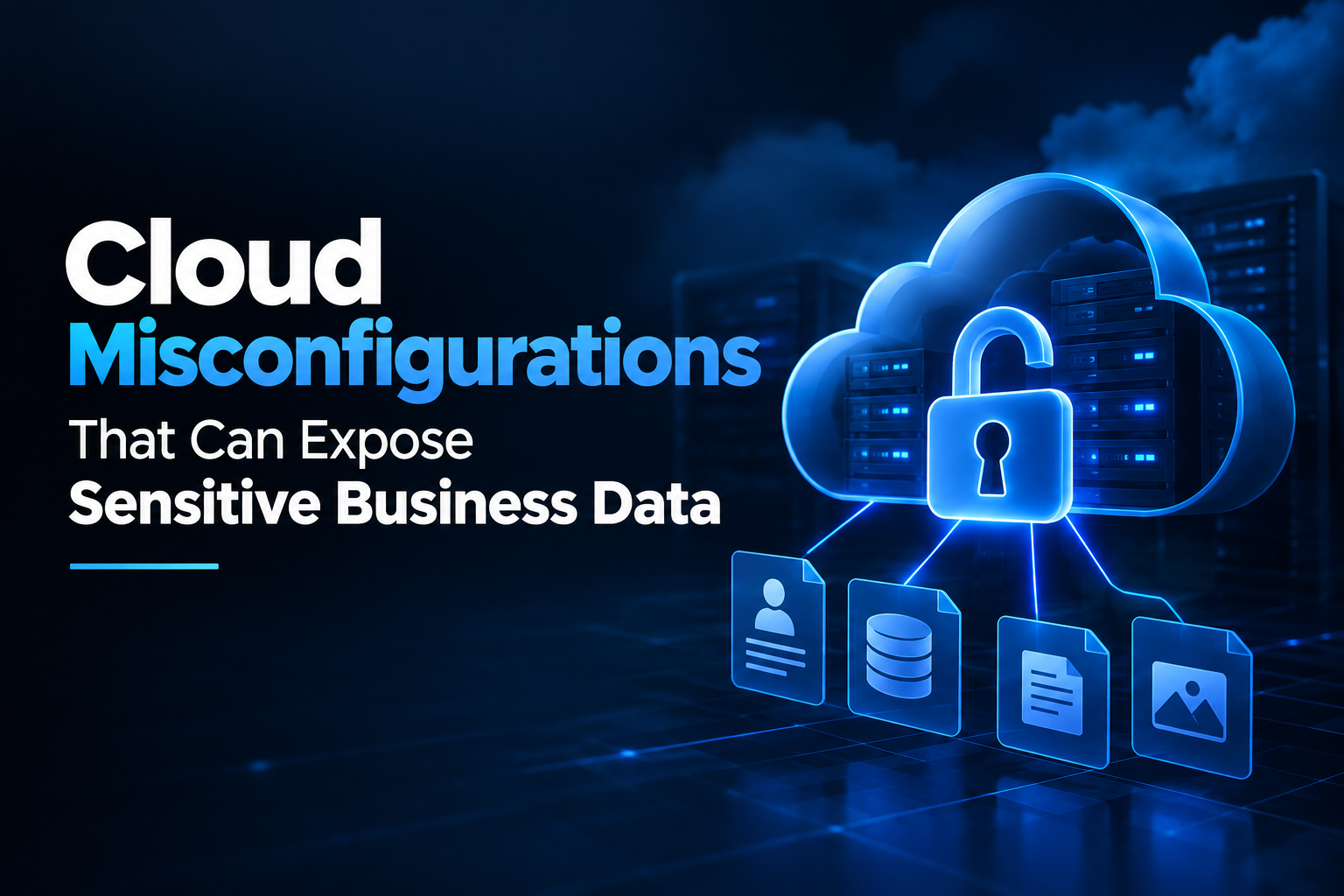
Cloud Misconfigurations That Can Expose Sensitive Business Data
Cloud platforms help businesses store data, run applications, and scale digital operations without maintaining all infrastructure on-premises. However, cloud environments can also introduce security risks when resources, permissions, storage settings, or network controls are configured incorrectly.A cloud misconfiguration can unintentionally expose sensitive business information to unauthorized users or external attackers. Common examples include publicly accessible storage buckets, excessive user permissions, weak identity controls, unsecured databases, and improperly configured network services. Understanding these risks is an important part of maintaining a secure cloud environment.What Is a Cloud Misconfiguration?A cloud misconfiguration occurs when a cloud resource or security setting is incorrectly configured, left at a default setting, or not properly reviewed.These issues may affect:Cloud storageDatabasesVirtual machinesAPIsIdentity and access controlsNetwork security groupsEncryption settingsBackup systemsMonitoring and loggingApplication configurationsEven a small configuration mistake can create an entry point for unauthorized access.Common Cloud Misconfigurations That Create Security Risks1. Publicly Accessible StorageCloud storage services are frequently used for documents, backups, databases, application files, and customer information. If storage permissions are incorrectly configured, sensitive files may become accessible from the public internet.Businesses should regularly review storage permissions and ensure that public access is disabled unless there is a documented business requirement.2. Excessive User PermissionsGiving users more permissions than they require increases the potential impact of a compromised account.For example, an employee who only needs to view specific files should not automatically receive administrative access to an entire cloud environment.Implementing role-based access and the principle of least privilege can help reduce unnecessary access.3. Weak Identity and Access ControlsCloud accounts with weak passwords, missing multi-factor authentication, or outdated user permissions can become attractive targets for attackers.Organizations should regularly review accounts, remove inactive users, enforce strong authentication, and monitor privileged accounts.4. Unsecured DatabasesDatabases containing customer information, financial records, employee information, or business documents require strong security controls.Misconfigured database access rules can expose sensitive information if the database is reachable from unauthorized networks or users.Database access should be restricted according to business requirements, with authentication, encryption, monitoring, and appropriate network controls in place.5. Open Network Ports and Security GroupsIncorrect firewall rules or overly permissive security groups can expose cloud services unnecessarily.For example, allowing unrestricted access to administrative ports can increase the risk of unauthorized access attempts.Network rules should be reviewed regularly and limited to trusted sources wherever possible.The Importance of Cloud Risk AssessmentRegular cloud risk assessment can help organizations identify configuration weaknesses before they become security incidents.An assessment can review areas such as:Identity and access permissionsStorage securityNetwork configurationsEncryption controlsDatabase exposureLogging and monitoringBackup configurationsSecurity policiesCompliance requirementsBusinesses can learn more about protecting cloud environments through dedicated https://www.rashicore.com/cloud-security.php.Protecting Sensitive Business Data in the CloudOrganizations can reduce cloud configuration risks by establishing clear security processes.Important practices include:Apply least-privilege access.Enable multi-factor authentication for important accounts.Review public access settings regularly.Encrypt sensitive information.Restrict unnecessary network exposure.Monitor privileged activities.Remove unused accounts and resources.Maintain secure backups.Review cloud configurations after major infrastructure changes.Conduct regular cloud security assessments.For organizations managing sensitive workloads, cloud security should be treated as an ongoing process rather than a one-time configuration task.Businesses can also review their cloud protection requirements at https://www.rashicore.com/cloud-security.php.ConclusionCloud misconfigurations can create significant security exposure when storage, identities, databases, networks, or access controls are not properly managed. As cloud infrastructure continues to evolve, businesses need regular configuration reviews, appropriate access controls, monitoring, encryption, and security assessments.A structured cloud security approach can help organizations identify configuration weaknesses, protect sensitive business information, and maintain stronger control over their digital infrastructure. Rashicore's cloud security services cover areas including cloud risk assessment, IAM, data encryption and key management, and continuous monitoring and compliance. https://www.rashicore.com/cloud-security.php
Sep 18, 2026
Read More →
Device Access Control
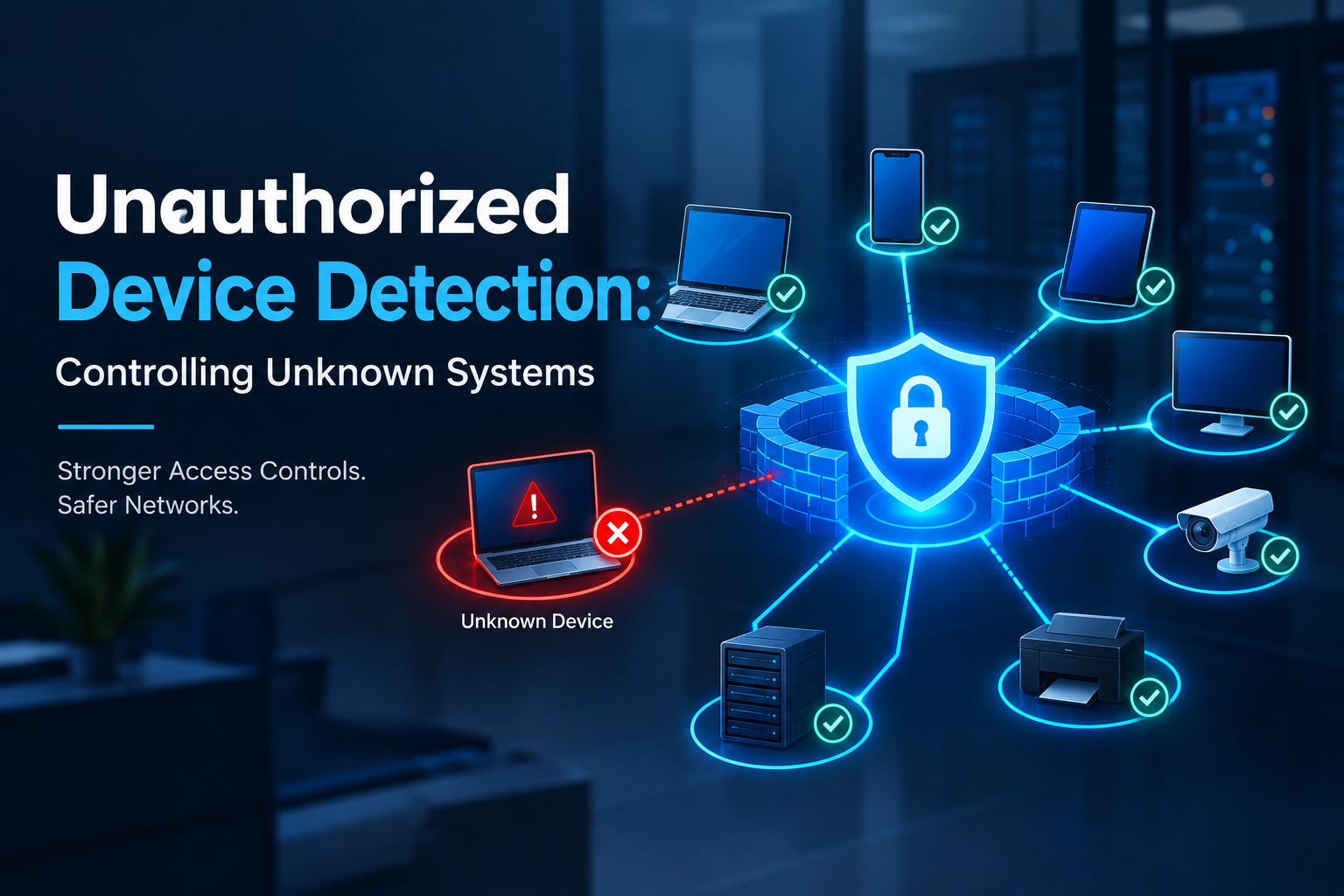
Unauthorized Device Detection: Controlling Unknown Systems
IntroductionModern business networks connect laptops, desktops, smartphones, servers, IoT devices, remote systems, and other endpoints. As the number of connected devices increases, organizations face a growing challenge: identifying which devices are authorized and detecting systems that should not be connected to the network.An unknown device can create an unnecessary security risk if it gains access to internal resources, sensitive applications, or business data. Unauthorized Device Detection helps organizations identify unfamiliar systems, investigate their activity, and apply appropriate access controls.Effective network protection combines device visibility with monitoring, authentication, segmentation, and endpoint security. Rashicore's Network Security solutions include network traffic monitoring and endpoint security integration as part of its approach to protecting organizational infrastructure.What Is Unauthorized Device Detection?Unauthorized Device Detection is the process of identifying devices connected to a business network that have not been approved or properly registered by the organization.These devices may include:Unknown laptops or desktopsPersonal devicesUnauthorized smartphonesUnmanaged IoT devicesRogue wireless devicesUnapproved serversUnknown network appliancesDevices belonging to former employeesThird-party systems with excessive accessThe objective is not simply to identify a device but to understand whether it should have network access and what resources it can reach.Why Unknown Devices Create Security RisksEvery connected device can potentially become an entry point into a network. If an unauthorized device is poorly secured, attackers may exploit it to gain access to internal systems.Common risks include:Unauthorized access to network resourcesMalware entering through unmanaged devicesCredential theftData exposureLateral movementNetwork reconnaissanceWeak endpoint configurationsUncontrolled access to sensitive applicationsRashicore describes Network Security as a way to protect organizational infrastructure from unauthorized access, cyber attacks, and data breaches.Common Causes of Unknown Devices1. Bring Your Own DeviceEmployees may connect personal smartphones, laptops, or tablets to business networks. Without appropriate controls, these devices may not meet organizational security requirements.2. Unmanaged IoT DevicesPrinters, cameras, sensors, smart devices, and other IoT equipment can connect to networks without receiving the same security attention as traditional computers.3. Guest Network MisconfigurationPoorly configured guest networks can create unnecessary pathways between visitors and internal resources.4. Former Employee DevicesDevices that previously belonged to employees may remain registered or connected even after their access should have been removed.5. Third-Party AccessVendors and contractors may require temporary access to business systems. If this access is not properly controlled or removed, unnecessary exposure can remain.How Unauthorized Device Detection WorksNetwork DiscoveryOrganizations should maintain visibility into devices connected to their networks. Network discovery can identify device types, addresses, connection points, and other relevant information.Device IdentificationSecurity teams can classify devices according to their type, ownership, operating system, location, and business purpose.Access VerificationEach device should be evaluated to determine whether it is authorized to access the network and whether its access level is appropriate.Continuous Network MonitoringContinuous monitoring helps identify newly connected devices and unusual network activity.Rashicore's Network Security service includes Network Traffic Monitoring to improve visibility into network activity.For organizations looking to strengthen network visibility and control unauthorized systems, Rashicore's Network Security solutions are available here:https://www.rashicore.com/networksecurity.phpControlling Unknown SystemsApply Network Access ControlsOrganizations should define clear policies for which devices can connect to internal networks. Devices that do not meet security requirements should be restricted or isolated.Use Endpoint SecurityEndpoint security can help organizations monitor and protect connected computers and other devices.Rashicore includes Endpoint Security Integration within its Network Security solutions:https://www.rashicore.com/networksecurity.phpSegment Network ResourcesNetwork segmentation can limit the resources accessible from individual devices. Even if an unknown system gains access to one network segment, segmentation can help prevent unnecessary access to critical systems.Monitor Network TrafficNetwork traffic monitoring helps security teams identify unusual communication patterns, unexpected connections, and potentially suspicious device behavior.Rashicore specifically lists Network Traffic Monitoring as a key component of its Network Security service:https://www.rashicore.com/networksecurity.phpConclusionUnknown devices can introduce unnecessary security risks into business networks. Without proper visibility and access controls, an organization may not know which systems are connected or what resources those systems can access.Unauthorized Device Detection provides a structured approach to identifying unfamiliar systems, verifying their access, monitoring their activity, and restricting devices that do not meet security requirements.By combining device visibility, network traffic monitoring, endpoint security, access controls, and network segmentation, businesses can strengthen their overall network security and maintain greater control over connected systems.Rashicore provides Network Security solutions focused on protecting organizational infrastructure from unauthorized access, cyber attacks, and data breaches.https://www.rashicore.com/networksecurity.php
Sep 17, 2026
Read More →
Data Exposure Prevention
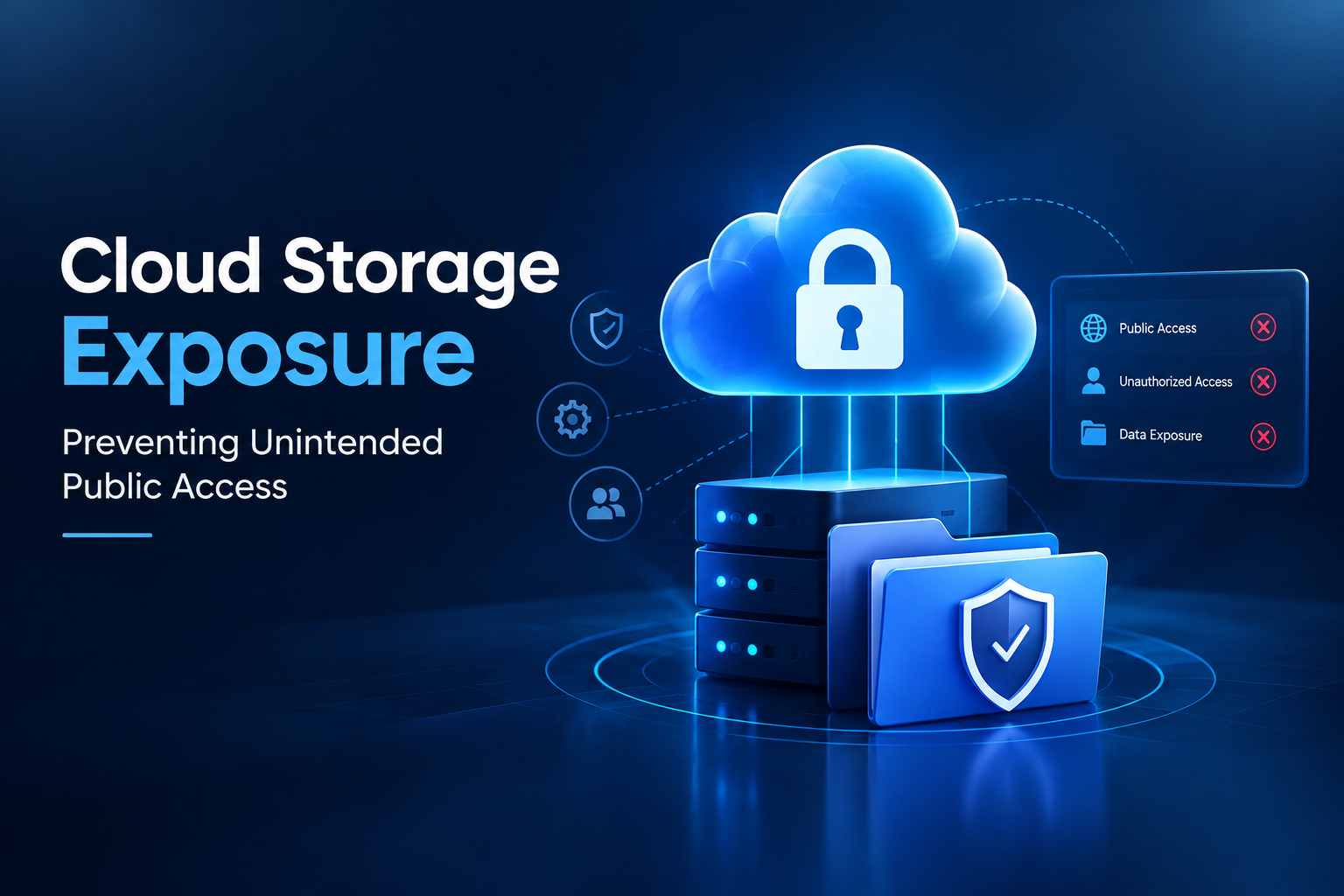
Cloud Storage Exposure: Preventing Unintended Public Access
IntroductionCloud storage has become an essential part of modern business operations, allowing organizations to store, access, and share data across distributed environments. However, incorrectly configured storage permissions can unintentionally expose sensitive files, databases, backups, and business information to unauthorized users.Cloud storage exposure commonly occurs when access controls are too broad, public permissions are enabled unintentionally, or storage configurations are not regularly reviewed. Preventing these risks requires a combination of access management, encryption, monitoring, and continuous security reviews.Common Causes of Unintended Public Access1. Misconfigured Storage PermissionsCloud storage platforms provide different permission levels for users, applications, and services. Incorrect permission settings can make sensitive information publicly accessible.Organizations should regularly review storage permissions and ensure that access is limited to legitimate business requirements.2. Excessive User PrivilegesUsers should only receive the permissions necessary for their responsibilities. Excessive privileges increase the possibility of accidental data exposure.Implementing role-based access controls and regularly reviewing permissions can help reduce unnecessary access.3. Unprotected Backup DataBackups may contain large amounts of sensitive business information. If backup storage is publicly accessible or poorly protected, attackers could potentially obtain valuable data.Backup repositories should therefore be protected using appropriate access controls and encryption.4. Forgotten Cloud ResourcesOld storage buckets, temporary files, test environments, and unused cloud resources can remain active even after a project has ended.Regular cloud asset reviews can help identify resources that are no longer required and reduce unnecessary exposure.Preventing Cloud Storage ExposureStrong Identity and Access ManagementIdentity and Access Management (IAM) should be used to control who can access cloud storage and what actions they are allowed to perform.Organizations should apply the principle of least privilege, remove unnecessary permissions, and review access regularly. IAM is also an important component of a broader cloud security strategy.For organizations looking to strengthen their cloud environment, Rashicore provides cloud security solutions covering IAM, cloud risk assessment, and protection against unauthorized access:https://www.rashicore.com/cloud-security.phpEncryption and Key ManagementSensitive information stored in cloud environments should be protected through appropriate encryption controls. Encryption reduces the risk associated with unauthorized access to stored data.Effective key management is equally important because encryption keys must be securely controlled and monitored.Rashicore's Cloud Security services also include Data Encryption & Key Management as part of its security approach:https://www.rashicore.com/cloud-security.phpContinuous MonitoringCloud environments change frequently. New users, applications, storage resources, and permissions may be added over time.Continuous monitoring can help organizations identify unusual access patterns, configuration changes, and potential security issues before they become larger problems.Regular monitoring and compliance checks are also part of Rashicore's cloud security service offering:https://www.rashicore.com/cloud-security.phpConclusionCloud storage exposure can often begin with a simple configuration mistake, excessive permission, or overlooked storage resource. Organizations can reduce these risks by implementing strong IAM controls, encrypting sensitive information, monitoring cloud activity, and regularly reviewing storage configurations.A proactive cloud security approach helps businesses protect sensitive information while maintaining secure and controlled access across their cloud infrastructure.For organizations seeking to strengthen cloud storage protection, access management, monitoring, and overall cloud security, Rashicore's Cloud Security solutions provide a dedicated approach to protecting cloud environments:https://www.rashicore.com/cloud-security.php
Sep 17, 2026
Read More →
Change Security
Network Change Management: Preventing Security Gaps During Updates
IntroductionNetwork infrastructure is constantly changing. Organizations update routers, switches, firewalls, access controls, operating systems, security policies, and network services to improve performance, support new applications, and address vulnerabilities.NIST's security-focused configuration management guidance emphasizes integrating security considerations into configuration and change management so that system changes do not unintentionally weaken security.For organizations looking to strengthen their network security practices, https://www.rashicore.com/networksecurity.php can provide additional information about protecting network infrastructure.What Is Network Change Management?Network change management is a structured process for controlling modifications to network infrastructure.It generally involves:Identifying the requested changeAssessing security and operational impactReviewing dependenciesObtaining appropriate approvalTesting the changeImplementing the approved updateMonitoring the environment afterwardDocumenting the final configurationThe purpose is not to prevent necessary changes. Instead, it is to make sure changes are introduced in a controlled and traceable manner.Why Network Updates Can Create Security GapsEven legitimate updates can introduce unexpected security problems.1. Firewall Rule ChangesAdding, removing, or modifying firewall rules can unintentionally allow unnecessary traffic or expose internal services.Every firewall change should therefore be reviewed against the intended business requirement and existing security policies.2. Configuration DriftThe configuration running on a device can gradually become different from the approved baseline.Without regular comparison and monitoring, unauthorized or accidental modifications may remain unnoticed.3. Access Control ChangesUpdates involving administrator accounts, authentication systems, ACLs, VPNs, or network segmentation can change who can access critical resources.Access changes should be reviewed before deployment and validated afterward.4. Routing and Network Path ChangesRouting updates can affect how systems communicate with internal and external resources.A change that appears operationally simple may create an unexpected communication path or bypass an existing security control.5. Software and Firmware UpdatesUpdates can fix vulnerabilities but may also change functionality or configuration behavior.NIST notes that software updates and patches can introduce cybersecurity and operational risks if they are not managed effectively.Protecting Against Unauthorized Configuration ChangesChange management should also help identify changes that were never approved.CISA recommends monitoring configuration modifications to network devices such as switches, routers, and firewalls outside the established change-management process.Organizations can strengthen this process by:Centralizing configuration managementMaintaining configuration historyComparing approved and active configurationsMonitoring administrative activityAlerting on unexpected changesReviewing firewall rule modificationsConducting periodic configuration auditsFor broader network protection practices, organizations can also review https://www.rashicore.com/networksecurity.php.Building a More Secure Change ProcessA practical network change-management workflow can follow this sequence:Request → Risk Assessment → Security Review → Testing → Approval → Implementation → Validation → Monitoring → DocumentationThis approach creates a clear connection between operational changes and security requirements.Organizations can also automate configuration comparisons and change detection where appropriate. NIST's 2026 guidance on security configuration checklists highlights the value of identifying unauthorized configuration changes and verifying secure configurations.ConclusionNetwork changes are an essential part of maintaining modern infrastructure, but they should not be treated as purely operational activities. Updates to firewalls, routers, switches, access controls, and software can influence the security posture of the entire environment.A structured change-management process helps organizations assess risks, maintain configuration baselines, test updates, obtain approval, validate implementations, and monitor for unexpected changes.For organizations strengthening their network protection strategy, https://www.rashicore.com/networksecurity.php can be reviewed alongside broader network security planning.
Sep 16, 2026
Read More →
Application Risk Management
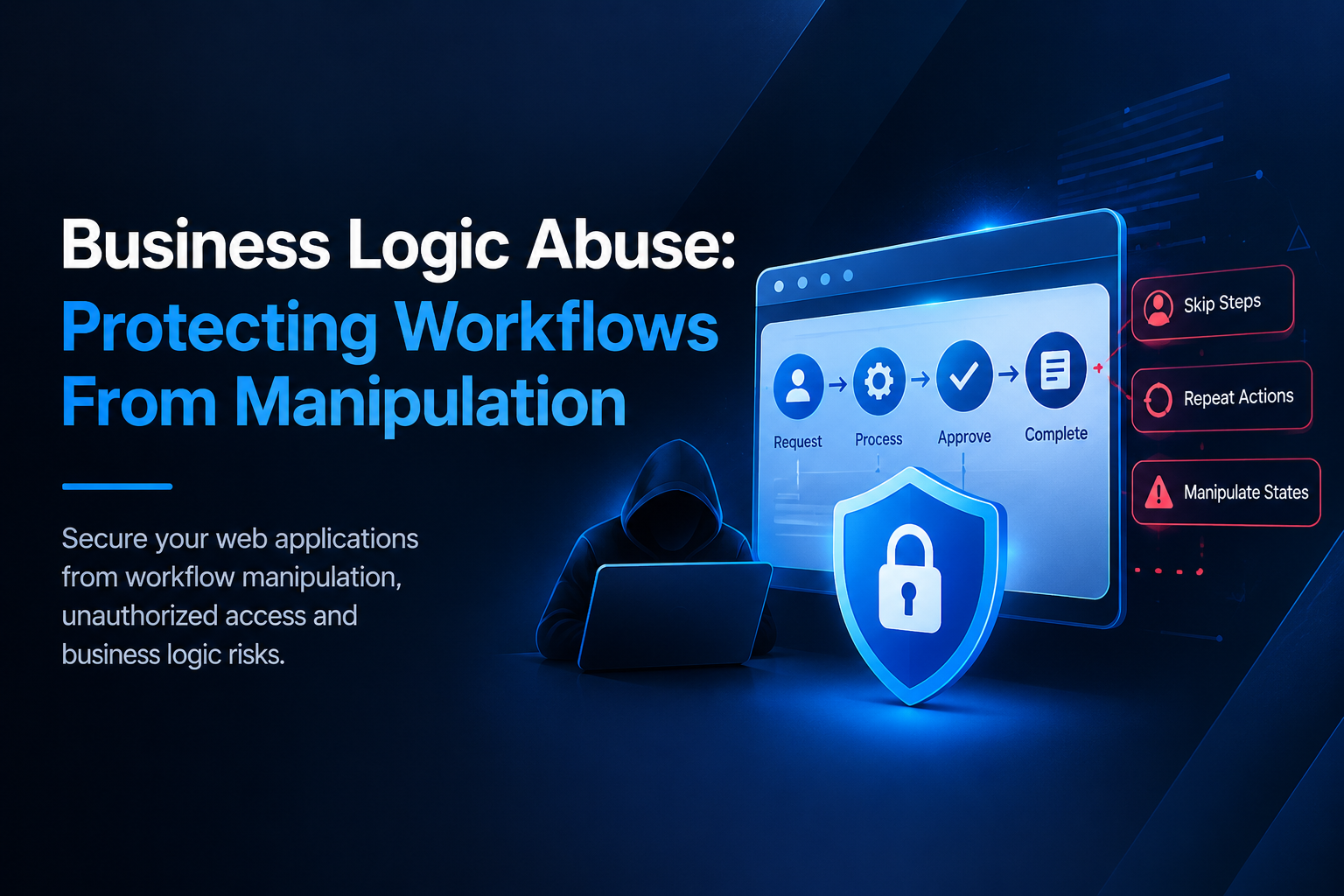
Business Logic Abuse: Protecting Workflows From Manipulation
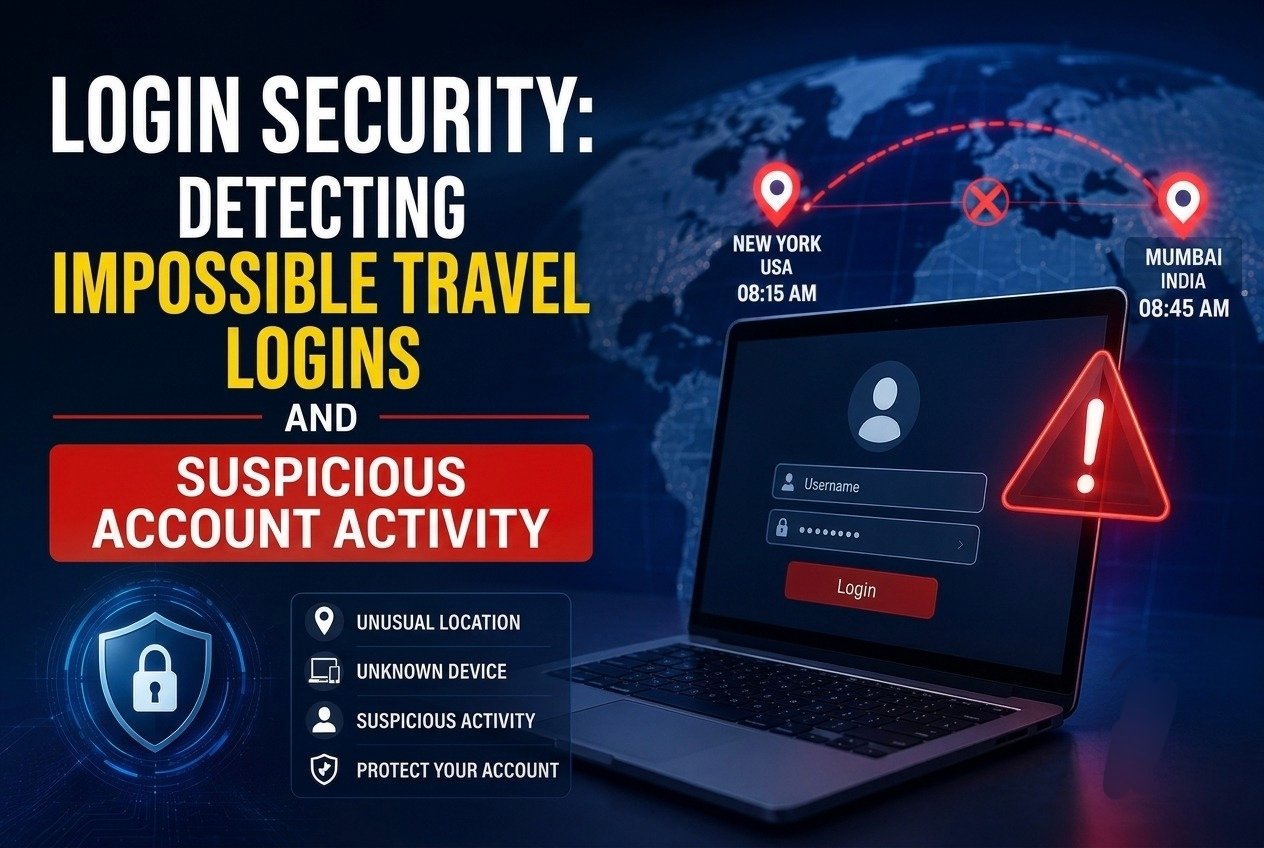
Modern web applications are built around business processes. A customer may create an account, verify an identity, add products to a cart, complete payment and receive an order confirmation. Similarly, employees may submit requests that require multiple approvals before an action is completed.For organizations looking to strengthen their application security posture, business logic protection should be considered alongside authentication, authorization and other technical security controls.You can learn more about application protection and security testing at:https://www.rashicore.com/web-application-security.phpWhat Is Business Logic Abuse?Business logic abuse occurs when an application's legitimate functions can be used in ways that violate the rules of the underlying business process.The application may technically accept the request because the endpoint, parameter or action is valid. The problem is that the request does not make sense according to the business rules.OWASP's Web Security Testing Guide identifies workflow circumvention as a business-logic testing area because applications should enforce required steps and their correct order.Why Business Logic Abuse Is Different From Traditional VulnerabilitiesTraditional web vulnerabilities often have recognizable technical patterns. Business logic weaknesses can be more difficult to identify because the application may be processing technically valid requests.The issue is the relationship between different actions.For example, an individual request might look normal, but performing several legitimate actions in an unexpected sequence could produce an unauthorized result.This means security teams need to understand:What the application is designed to doWhich actions depend on previous actionsWhich users can perform each actionWhat conditions must be satisfiedWhich states an object can enterWhich transitions should be prohibitedOWASP notes that business logic flaws can be difficult for automated tools to identify because they depend heavily on application-specific workflows and business rules.Common Examples of Workflow ManipulationSkipping Required StepsA multi-step process may require users to complete several stages before reaching a final action.If the server does not verify the current workflow state, a user could attempt to access a later stage without completing its prerequisites.For example:Registration → Verification → Approval → ActivationThe application should not assume that reaching the activation page means the previous stages were completed.Repeating Restricted ActionsSome actions are intended to happen only once.Examples include:One-time promotional benefitsSingle-use verification actionsRefund processingAccount creditsApproval decisionsIf the application does not properly track state, the same action could potentially be repeated.Manipulating Object StateApplications frequently store information about the state of an object, such as:PendingApprovedRejectedCompletedCancelledSecurity problems can occur when protected state information is accepted directly from an untrusted client without proper server-side validation.OWASP's Business Logic Abuse guidance specifically discusses object-state manipulation as a business-logic risk.Circumventing Approval ProcessesBusiness applications often use approval workflows.For example:Employee Request → Manager Review → Finance Approval → CompletionEach stage should be validated independently. The application should not rely on the user interface to prevent someone from directly attempting to access the final stage.Exploiting Concurrent RequestsApplications may also face problems when multiple requests are processed simultaneously.For example, a resource intended to be used once may receive two requests at nearly the same time. If the system checks availability and processes the action without proper synchronization, both requests might succeed.OWASP's current Business Logic Abuse Top 10 includes concurrent workflow-order bypass and action-limit overrun as specific business-logic abuse categories.How Business Logic Abuse Can Affect OrganizationsThe impact depends on the application and the affected workflow.Potential consequences include:Unauthorized transactionsIncorrect account balancesImproper discounts or creditsUnauthorized access to featuresWorkflow bypassData integrity problemsOperational disruptionFinancial lossesAbuse of promotional functionalityFor APIs, OWASP also identifies unrestricted access to sensitive business flows as a security risk because attackers may automate access to functionality in ways that harm the business.Testing Business Logic SecurityBusiness logic testing requires an understanding of the application's intended process.Security teams can document important workflows and ask:Can a step be skipped?Can a step be repeated?Can steps be performed out of order?Can an expired state be reused?Can a user access an action before approval?Can protected values be changed through client requests?Can multiple requests execute a single-use action?Are workflow transitions validated on the server?OWASP's Web Security Testing Guide recommends developing misuse cases around the application's business processes because these vulnerabilities are highly application-specific.For broader web application security assessment and protection, visit:https://www.rashicore.com/web-application-security.phpBuilding Abuse-Resistant Application WorkflowsA secure workflow should not simply ask whether a user is logged in. It should determine whether the requested action is valid for that specific user, object, state and business context.A practical workflow model can include:User Request → Authentication → Authorization → State Validation → Business Rule Validation → Action → State Update → Audit LoggingThis approach makes the application's business rules explicit and easier to test.It also helps developers identify gaps where the application might otherwise trust information supplied by the client.Role of Security Testing and MonitoringBusiness logic protection should be part of the application's wider security lifecycle.Security teams can combine:Threat modellingSecure application designManual workflow testingAutomated security testingCode reviewAuthorization testingRate limitingApplication monitoringAudit loggingThis provides multiple layers of protection instead of depending on a single security control.For organizations reviewing their web application security controls, more information is available at:https://www.rashicore.com/web-application-security.phpConclusionBusiness logic abuse can occur when an application's intended workflow is not sufficiently enforced. Attackers may attempt to skip steps, repeat restricted actions, manipulate states or use valid functionality in unintended ways.A security-focused approach to application design and testing can help organizations identify workflow weaknesses before they result in operational, financial or data-related consequences.For professional web application security services and assessment support:https://www.rashicore.com/web-application-security.phpNeed to Strengthen Your Web Application Security?If your application contains payment processes, account management, approval workflows, customer portals or other multi-step business functions, reviewing the underlying business logic can be an important part of security planning.Rashicore provides web application security solutions focused on identifying and addressing application-level security risks.Explore the service:https://www.rashicore.com/web-application-security.php
Sep 16, 2026
Read More →
Infrastructure Modernization
Legacy Protocol Risks: Replacing Outdated Communication Methods
IntroductionModern businesses depend on reliable communication between applications, servers, devices, employees, and external systems. As technology evolves, however, some organizations continue to operate legacy protocols that were designed before today's cybersecurity threats became widespread.Older communication methods may lack strong encryption, modern authentication, proper integrity checks, or adequate monitoring capabilities. Attackers can potentially exploit these weaknesses to intercept communications, gain unauthorized access, or move through connected systems.Infrastructure modernization provides an opportunity to identify outdated protocols, assess their risks, and replace them with safer alternatives without unnecessarily disrupting business operations.What Are Legacy Communication Protocols?Legacy protocols are older communication methods that may still be used because they support existing applications, devices, or business processes.Examples can include older versions of:File transfer protocolsEmail communication protocolsRemote administration protocolsNetwork management protocolsAuthentication mechanismsDatabase communication methodsInternal application communicationA protocol is not automatically unsafe simply because it is old. However, protocols that no longer receive security updates or lack modern security capabilities should be reviewed carefully.Why Legacy Protocols Create Security RisksLegacy protocols can introduce several security challenges into modern infrastructure.Lack of EncryptionSome older protocols transmit information without adequate encryption. Sensitive credentials, files, or business information may therefore be exposed if communications are intercepted.Weak AuthenticationOlder communication methods may rely on outdated authentication mechanisms that are easier for attackers to compromise.Poor Integrity ProtectionWithout effective integrity controls, attackers may be able to manipulate communications without being immediately detected.Limited MonitoringModern security teams require visibility into network activity. Older protocols may provide limited logging or monitoring capabilities, making suspicious activity harder to identify.Compatibility ConstraintsLegacy systems can prevent organizations from adopting stronger security technologies because newer security controls may not be supported.Identifying Legacy ProtocolsBefore replacing outdated protocols, organizations should understand where they are being used.A protocol inventory can help identify:Servers using outdated communication methodsApplications depending on legacy protocolsNetwork devices using older standardsRemote access systemsInternal servicesThird-party integrationsLegacy authentication mechanismsNetwork traffic monitoring can help security teams identify communication patterns and determine which protocols are actively being used.Assessing Protocol RiskNot every legacy protocol needs to be removed immediately. Organizations should evaluate each protocol based on its security and business importance.Important factors include:Whether encryption is availableWhether strong authentication is supportedWhether the protocol is still maintainedWhat type of information it handlesWhere the protocol is usedWhether external users can access itWhether a modern replacement existsHow critical the associated system isThis risk-based approach allows organizations to prioritize high-risk protocols first.Replacing Insecure Communication MethodsOnce outdated protocols have been identified, organizations should develop a controlled modernization plan.Replacement strategies may include:Use Encrypted AlternativesOrganizations should prioritize protocols that provide strong encryption and secure authentication.Restrict AccessFirewall rules, access controls, and network segmentation can limit who and what can communicate with legacy systems.Organizations can strengthen these controls through structured network protection and monitoring. https://www.rashicore.com/networksecurity.phpSecure Network MonitoringReplacing legacy protocols should be supported by continuous network monitoring. Security teams need visibility into communication patterns so they can identify unusual connections and unauthorized protocol usage.Monitoring can help detect:Unexpected network connectionsUnauthorized servicesSuspicious traffic patternsRepeated authentication failuresUnusual data transfersAttempts to access restricted systemsModern network security programs can combine traffic monitoring with firewall controls, intrusion detection, secure VPN implementation, and endpoint security.Handling Systems That Cannot Be UpgradedSome legacy systems may be difficult or impossible to replace because they support specialized hardware or older applications.In such cases, organizations should consider compensating controls such as:Network isolationRestricted accessFirewall rulesContinuous monitoringStrong administrative controlsApplication allowlistingAdditional authentication controlsRegular security assessmentsThe objective should be to minimize exposure while developing a long-term replacement strategy.ConclusionNetwork monitoring can identify outdated protocol usage, unusual connections, suspicious traffic patterns, and unauthorized communication between systems.Infrastructure modernization should combine protocol replacement with network segmentation, access controls, firewalls, monitoring, and continuous security assessment.By systematically removing obsolete communication methods, organizations can reduce attack surfaces, improve reliability, and build a more resilient technology infrastructure.Need Professional Network Security Support?Organizations planning to modernize legacy infrastructure can strengthen their protection through network monitoring, firewall configuration, secure VPN implementation, intrusion detection, and other network security controls.https://www.rashicore.com/networksecurity.php
Sep 15, 2026
Read More →
Security Governance
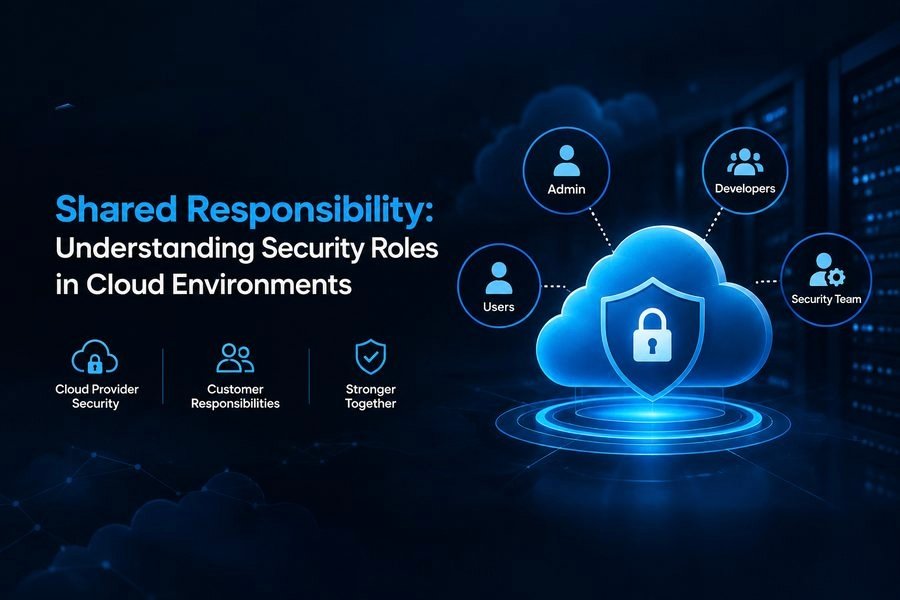
Shared Responsibility: Understanding Security Roles in Cloud Environments
IntroductionCloud computing has transformed the way organizations store data, deploy applications, and manage business operations. However, moving workloads to the cloud does not mean that the cloud provider automatically handles every aspect of security. Organizations must understand their own security responsibilities and establish clear governance processes.The shared responsibility model provides a framework for dividing security responsibilities between cloud service providers and their customers. While providers generally protect the underlying cloud infrastructure, customers remain responsible for securing their data, identities, configurations, applications, and workloads.What Is the Shared Responsibility Model?The shared responsibility model explains how security duties are distributed between a cloud service provider and the organization using its services.The cloud provider typically manages the security of the underlying infrastructure, including physical data centers, hardware, networking foundations, and core cloud services. The customer, meanwhile, is responsible for securing what they place within the cloud.Organizations should therefore clearly document their responsibilities before deploying critical workloads.Why Security Roles Need to Be Clearly DefinedUnclear security responsibilities can create gaps that attackers may exploit. If an organization assumes that its cloud provider is responsible for an area that actually belongs to the customer, important security controls may be overlooked.Clearly defined responsibilities help organizations:Reduce security gapsImprove accountabilityStrengthen compliance processesProtect sensitive business informationImprove incident responseControl access to cloud resourcesMaintain consistent security policiesA strong governance framework ensures that security ownership is understood across IT, security, compliance, and business teams.Cloud Provider ResponsibilitiesCloud providers are generally responsible for securing the infrastructure that supports their cloud services. This can include physical facilities, servers, core networking infrastructure, and other underlying components.Providers typically implement controls such as:Physical data center securityHardware protectionInfrastructure monitoringNetwork infrastructure securityPlatform availability controlsSecurity maintenance for managed cloud servicesHowever, organizations should not interpret provider security as complete protection of their own cloud environment.Customer ResponsibilitiesCustomers remain responsible for securing the resources and information they control within the cloud.Depending on the cloud service model, responsibilities may include:User identity managementAccess permissionsData protectionEncryption settingsApplication securitySecurity configurationsNetwork rulesBackup policiesSecurity monitoringCompliance requirementsOrganizations should regularly review these responsibilities to ensure that important controls are not overlooked.Identity and Access ManagementIdentity is one of the most important elements of cloud security governance. Organizations should ensure that employees, administrators, applications, and third-party users receive only the permissions they actually need.Effective identity management can include:Multi-factor authenticationRole-based access controlLeast-privilege permissionsPrivileged account managementRegular access reviewsStrong password policiesRemoval of inactive accountsOrganizations should also monitor privileged activities because compromised administrator accounts can provide attackers with extensive access to cloud resources.Data Protection and EncryptionBusinesses often store sensitive customer, financial, operational, and intellectual property data in cloud environments. Protecting this information should therefore be a central part of security governance.Organizations can use encryption to protect data both during transmission and while stored. Encryption keys should also be managed carefully, with appropriate access restrictions and rotation policies.A structured approach to cloud protection can help organizations address risks involving data exposure, unauthorized access, and cloud misconfiguration.https://www.rashicore.com/cloud-security.phpConfiguration ManagementCloud environments can change rapidly. New accounts, services, applications, storage resources, and access permissions may be created regularly.Poor configuration can expose systems unnecessarily. Common examples include:Publicly accessible storageExcessive user permissionsUnsecured management interfacesWeak authentication settingsUnnecessary network accessUnprotected sensitive resourcesOrganizations should establish configuration standards and regularly assess their cloud environments against those standards.ConclusionCloud security requires cooperation between cloud providers and their customers. The shared responsibility model helps organizations understand where their responsibilities begin and where the provider's responsibilities end.By defining ownership, controlling access, protecting data, monitoring cloud environments, reviewing configurations, and maintaining effective security governance, organizations can reduce cloud risks and build more resilient digital infrastructure.Organizations looking to strengthen cloud risk management, identity controls, encryption, monitoring, and overall cloud protection can explore:https://www.rashicore.com/cloud-security.php
Sep 15, 2026
Read More →
Security Gap Analysis
Security Gap Assessments: Identifying Weaknesses Before Regulatory Reviews
IntroductionRegulatory expectations around cybersecurity and data protection continue to evolve as organizations become increasingly dependent on digital infrastructure. Government agencies, financial institutions, healthcare organizations, technology companies, and other regulated businesses are expected to demonstrate that appropriate security controls and governance processes are in place.Organizations working with government-related security and governance requirements can explore cybersecurity solutions at https://www.rashicore.com/government.php.What Is a Security Gap Assessment?A security gap assessment is a structured review that identifies differences between an organization's current security controls and its required or desired security standards.The assessment can examine areas such as:Security policies and proceduresAccess managementData protectionNetwork securityApplication securityIncident responseRisk managementSecurity monitoringThird-party securityBusiness continuityAudit evidenceGovernance responsibilitiesWhy Perform a Gap Assessment Before a Regulatory Review?1. Identify Weaknesses EarlyA proactive assessment gives organizations an opportunity to identify weaknesses before regulators or external auditors do.Instead of discovering problems during a formal review, security teams can identify them internally and begin remediation in advance.2. Improve Regulatory ReadinessRegulatory readiness requires more than having security technologies in place. Organizations may also need documented policies, defined responsibilities, evidence of monitoring, risk assessments, incident response procedures, and proof that controls are operating effectively.A gap assessment helps identify missing elements before the review.3. Prioritize RemediationNot every gap presents the same level of risk.Organizations can classify findings according to factors such as:Business impactSecurity riskRegulatory importanceData sensitivityLikelihood of exploitationExisting control effectivenessThis allows teams to focus resources on the most important weaknesses first.Common Security Gaps Identified During AssessmentsIncomplete Security PoliciesOrganizations may have security policies that are outdated, incomplete, or not aligned with their current technology environment.Policies should reflect actual business processes and clearly define responsibilities.Weak Access ControlsExcessive privileges, inactive accounts, shared credentials, and weak authentication practices can create unnecessary security risks.Access should follow appropriate authorization and least-privilege principles.Insufficient Security MonitoringWithout effective monitoring and logging, organizations may struggle to detect suspicious activity or demonstrate that security events are being properly tracked.Poor Evidence ManagementEven when controls exist, organizations may struggle during reviews if they cannot produce appropriate evidence.Examples include:Access review recordsSecurity logsVulnerability reportsIncident recordsTraining recordsRisk assessmentsPolicy approvalsAudit reportsRemediation recordsSecurity Gap Assessment ProcessA structured assessment can generally follow these steps.1. Define the ScopeFirst, determine which systems, departments, processes, applications, and regulatory requirements will be included.A clearly defined scope prevents important areas from being overlooked.2. Identify Applicable RequirementsOrganizations should identify the regulations, standards, contractual obligations, and internal policies relevant to their environment.3. Review Existing ControlsExisting technical and administrative controls are evaluated to determine how effectively they address the identified requirements.4. Identify GapsThe assessment compares the current state with the required or target state.Gaps may involve technology, documentation, processes, governance, monitoring, or employee responsibilities.5. Assess RiskEach identified gap should be evaluated based on its potential impact and likelihood.This helps security and management teams understand which findings require immediate attention.6. Create a Remediation RoadmapA practical remediation roadmap should identify:Gap or findingRisk levelRecommended actionResponsible teamTarget completion dateRequired evidenceValidation status7. Validate RemediationAfter corrective actions are completed, organizations should verify that the identified gap has actually been addressed.This creates a continuous improvement cycle rather than a one-time compliance exercise.Security Gap Assessments for Government and Public-Sector EnvironmentsGovernment organizations manage large volumes of sensitive information and provide critical digital services. This makes security governance and preparedness particularly important.Government cybersecurity guidance emphasizes baseline controls across areas such as network security, application security, data security, auditing, and third-party outsourcing.Recent Indian government initiatives have also emphasized risk-based assessments, continuous security monitoring, secure-by-design practices, data protection, incident response, and governance responsibilities for state IT environments.Organizations supporting government systems can strengthen their cybersecurity posture and governance readiness through appropriate security solutions at https://www.rashicore.com/government.php.ConclusionRegulatory readiness should not begin when an auditor or regulator arrives. Organizations that proactively evaluate their security posture can identify weaknesses earlier, prioritize remediation, improve documentation, and build stronger governance processes.Security gap assessments provide a structured way to compare current capabilities with applicable requirements and create a practical roadmap for improvement. They can help organizations move from reactive compliance preparation toward continuous security and governance readiness.For organizations seeking to strengthen cybersecurity across government and public-sector environments, more information is available at https://www.rashicore.com/government.php.
Sep 14, 2026
Read More →
Continuous Assessment
Continuous Security Validation: Why One-Time Testing Is Not Enough
IntroductionModern businesses continuously change their digital environments. Applications receive updates, cloud infrastructure is modified, new APIs are introduced, employees access systems from different locations, and third-party integrations are added. While these changes support business growth, they can also create new security weaknesses.Regular vulnerability assessment and penetration testing can help businesses identify weaknesses, validate security controls, and reduce exposure to potential cyberattacks. Organizations can explore professional VAPT services at https://www.rashicore.com/vapt.php.What Is Continuous Security Validation?Continuous security validation is an ongoing process of checking whether security controls, applications, systems, and infrastructure continue to provide effective protection against evolving threats.Instead of treating security testing as a single annual activity, organizations can establish a recurring process that includes:Regular vulnerability assessmentsPeriodic penetration testingSecurity control validationContinuous monitoring of the attack surfaceRemediation verificationRetesting after major changesRisk prioritization and reportingThe objective is not simply to find vulnerabilities but to continuously understand whether security defenses are working as expected.Why One-Time Security Testing Is Not EnoughA one-time test provides valuable information, but the results represent the environment only at a particular point in time.For example, an organization may complete a penetration test in January and successfully fix all critical findings. By March, however, a new application feature may have been deployed, a cloud configuration may have changed, or a new third-party API may have been integrated.These changes can introduce new vulnerabilities that were not present during the original assessment.Security testing therefore needs to evolve with the environment.1. IT Environments Change FrequentlyModern infrastructure is rarely static. Servers, applications, databases, cloud resources, APIs, and network configurations can change frequently.Every major change can potentially introduce a new security weakness. Continuous validation helps organizations identify risks created by these changes instead of waiting until the next scheduled assessment.2. New Vulnerabilities Appear Over TimeA system that was secure during an earlier assessment can become vulnerable when a new security flaw is discovered in an operating system, framework, library, application component, or third-party dependency.Continuous vulnerability assessment allows security teams to maintain better visibility into newly emerging risks.3. Security Configurations Can DriftSecurity controls may become weaker because of configuration changes, software updates, temporary access permissions, or operational requirements.Configuration drift can create unintended exposure.Regular security validation helps organizations identify whether important controls remain properly configured and effective.4. New Applications and APIs Increase Attack SurfacesBusinesses frequently introduce mobile applications, web applications, APIs, cloud services, and third-party integrations.Each new component can increase the organization's attack surface.Continuous assessment allows security teams to review newly introduced assets and identify weaknesses before attackers can take advantage of them.For organizations requiring structured vulnerability discovery and penetration testing, VAPT services can be explored at https://www.rashicore.com/vapt.php.5. Remediation Must Be VerifiedFinding a vulnerability is only the first step. Organizations also need to confirm that the vulnerability has actually been fixed.Retesting can verify whether remediation was successful and whether the implemented fix introduced any additional security issues.This creates a security cycle:Identify → Validate → Remediate → Retest → Monitor → RepeatKey Benefits of Continuous Security ValidationBetter VisibilityContinuous testing provides organizations with a clearer understanding of their current security posture instead of relying only on historical assessment reports.Faster Vulnerability DetectionNew vulnerabilities can be identified closer to the time they are introduced, allowing security teams to respond more quickly.Reduced Attack SurfaceRegular assessments help identify unnecessary exposure, misconfigurations, outdated components, and vulnerable systems.Stronger Security ControlsSecurity validation can confirm whether controls such as authentication, access management, network protection, and application security are working as intended.Improved Risk PrioritizationContinuous assessment helps security teams focus resources on vulnerabilities that present the greatest potential business impact.Better Remediation TrackingOrganizations can track discovered vulnerabilities from identification through remediation and final verification.How Continuous Security Validation WorksA practical continuous security validation program can follow several stages.1. Asset DiscoveryIdentify applications, servers, APIs, cloud resources, networks, and other assets that need protection.2. Vulnerability AssessmentUse appropriate automated and manual testing methods to identify potential weaknesses.3. Security ValidationValidate important findings and assess whether vulnerabilities can create meaningful security impact.4. Risk PrioritizationClassify vulnerabilities based on severity, exploitability, affected assets, and potential business impact.5. RemediationSecurity and development teams address identified weaknesses using appropriate corrective measures.6. RetestingTest the affected systems again to verify that vulnerabilities have been properly resolved.7. Continuous Monitoring and ReviewRepeat assessments as systems change and new vulnerabilities or threats emerge.Continuous Validation and VAPTVulnerability Assessment and Penetration Testing plays an important role in continuous security validation.Vulnerability assessment provides broader visibility into potential weaknesses, while penetration testing helps validate whether selected vulnerabilities can be exploited and what their real-world impact could be.Rashicore's VAPT approach includes automated vulnerability scanning, manual penetration testing, exploitation and validation, detailed reporting, risk prioritization, and remediation support. More information is available at https://www.rashicore.com/vapt.php.ConclusionCybersecurity cannot be treated as a one-time activity because digital environments continuously evolve. New applications, APIs, infrastructure changes, vulnerabilities, integrations, and configuration changes can introduce risks after a security assessment has been completed.Continuous security validation provides a more proactive approach by combining recurring vulnerability assessments, penetration testing, remediation verification, and ongoing security reviews.Organizations looking to strengthen their vulnerability identification and penetration testing capabilities can learn more about VAPT services at https://www.rashicore.com/vapt.php.Need Professional Security Validation?If your business needs to identify vulnerabilities, validate security controls, and improve its overall security posture, professional VAPT and continuous security assessment can provide a structured approach to ongoing cybersecurity improvement.
Sep 14, 2026
Read More →
Authentication Protection
Authentication Hardening: Strengthening Login Security
IntroductionLogin systems are one of the most important security boundaries of a web application. User accounts often provide access to personal information, business data, financial records, administrative functions, and other sensitive resources. If authentication mechanisms are weak, attackers may exploit stolen credentials, brute-force attacks, phishing, or other techniques to gain unauthorized access.For organizations seeking broader protection for websites and applications, Rashicore provides Web Application Security solutions covering application security testing, source code analysis, secure SDLC implementation, and vulnerability remediation. https://www.rashicore.com/web-application-security.phpWhat Is Authentication Hardening?Authentication hardening is the process of strengthening the mechanisms used to verify user identities before granting access to an application or system.It involves more than simply creating strong passwords. A secure authentication strategy can include:Strong password requirementsMulti-factor authenticationSecure password storageAccount lockout controlsLogin attempt monitoringSession securitySecure password recoveryDevice and risk-based verificationProtection against automated login attacksWhy Strong Authentication MattersAttackers frequently target login pages because compromised accounts can provide direct access to valuable information and application functionality.Weak authentication can lead to:Unauthorized account accessData exposureAccount takeoverPrivilege abuseFinancial fraudCustomer information theftAdministrative account compromiseBusiness disruptionKey Authentication Hardening Practices1. Enforce Strong Password PoliciesApplications should encourage users to create strong and unique passwords. Password policies should prevent commonly used or compromised passwords and should avoid unnecessarily restrictive rules that encourage users to reuse predictable patterns.Organizations should also consider password managers to help users maintain unique credentials across different services.2. Implement Multi-Factor AuthenticationMulti-Factor Authentication adds another verification layer beyond the password.Depending on the application, additional factors may include:Authentication applicationsOne-time passwordsSecurity keysBiometricsDevice-based verificationEven when a password is compromised, MFA can make it significantly harder for attackers to access the account.3. Protect Passwords SecurelyPasswords should never be stored in plain text. Applications should use appropriate password hashing mechanisms and secure configurations to protect stored credentials.Database access should also be restricted so that compromised application components cannot easily expose authentication information.4. Limit Login AttemptsUnlimited login attempts can allow attackers to repeatedly guess passwords.Applications can reduce this risk through:Rate limitingTemporary account restrictionsProgressive delaysIP and device monitoringBot detectionSuspicious login alertsThese controls can help reduce brute-force and automated credential attacks.5. Secure Login SessionsAuthentication security does not end after the user successfully logs in. Session management is equally important.Applications should use secure session cookies, appropriate expiration periods, session invalidation, and protection against session hijacking.Sensitive actions may also require users to authenticate again before completing the action.6. Strengthen Password RecoveryPassword reset mechanisms are often targeted by attackers. Recovery processes should verify the user's identity securely and avoid exposing sensitive information.Password reset links should use secure, time-limited tokens and should become invalid after they have been used.7. Monitor Suspicious Login ActivityApplications should monitor authentication events for unusual behavior.Examples include:Multiple failed login attemptsLogin attempts from unusual locationsNew or unfamiliar devicesRapid changes in login locationsRepeated password reset requestsAccess to accounts outside normal patternsMonitoring these events can help security teams identify potential account compromise.8. Protect Administrative AccountsAdministrative accounts require stronger authentication controls because they often have access to critical application functions.Organizations should consider MFA, restricted administrative access, strong session controls, dedicated administrator accounts, and regular permission reviews.For organizations requiring application-focused security testing and protection, Rashicore's Web Application Security services can help address vulnerabilities affecting authentication and other application components. https://www.rashicore.com/web-application-security.phpBenefits of Authentication HardeningA strong authentication strategy can help organizations:Reduce account takeover risksProtect sensitive user informationLimit unauthorized accessImprove application securityStrengthen administrative account protectionDetect suspicious login behaviorSupport security and compliance requirementsIncrease customer confidenceAuthentication should be considered as part of the application's overall security architecture rather than as an isolated login feature.Need Stronger Web Application Protection?Secure authentication is only one part of protecting a modern web application. Organizations should also evaluate application vulnerabilities, source code weaknesses, access controls, session management, APIs, and other security risks.A comprehensive application security approach can help identify weaknesses early and improve the resilience of digital applications. Explore Rashicore's Web Application Security solutions for application security testing, source code analysis, secure SDLC implementation, and vulnerability remediation. https://www.rashicore.com/web-application-security.phpConclusionAuthentication hardening plays an essential role in protecting web applications from unauthorized access and account compromise. Strong passwords, multi-factor authentication, secure sessions, login monitoring, rate limiting, and protected recovery mechanisms can significantly strengthen the authentication layer.As cyber threats continue to evolve, organizations should regularly test and improve their authentication controls. Combining strong authentication with broader web application security practices creates a more resilient environment for protecting users, applications, and sensitive business information.
Sep 12, 2026
Read More →
Incident Investigation
Root Cause Analysis: Learning From Cybersecurity Incidents
IntroductionCybersecurity incidents can expose sensitive data, disrupt business operations, damage customer trust, and create significant financial losses. While containing an attack is important, organizations should not stop once the immediate threat has been removed.Understanding why the incident occurred is equally important. Root Cause Analysis provides a structured approach to examining cybersecurity incidents, identifying the underlying weaknesses, and developing corrective actions.For organizations looking to strengthen their IT infrastructure and software security, https://www.rashicore.com/itsoftware.php provides IT and software security solutions focused on protecting applications, cloud environments, and digital infrastructure.What Is Root Cause Analysis in Cybersecurity?Root Cause Analysis is the process of investigating an incident to determine the underlying reason it occurred rather than focusing only on its visible symptoms.For example, if an employee account is compromised, the immediate issue may appear to be a stolen password. However, a deeper investigation may reveal that the password was exposed through phishing, the account did not have multi-factor authentication, or excessive permissions allowed attackers to access critical systems.By identifying these underlying factors, organizations can implement improvements that address the actual source of the problem.Why Root Cause Analysis MattersA cybersecurity incident can reveal weaknesses that may otherwise remain unnoticed. Conducting a structured analysis can help organizations:Identify the original cause of an incidentUnderstand how attackers gained accessDetermine which systems and accounts were affectedIdentify security control failuresImprove incident response proceduresStrengthen access controlsReduce the likelihood of recurring attacksImprove employee security awarenessSupport compliance and security reportingCommon Causes of Cybersecurity IncidentsSeveral technical and human weaknesses can contribute to cybersecurity incidents.1. Compromised CredentialsWeak, reused, or stolen passwords can provide attackers with unauthorized access to business systems. Credential theft may occur through phishing, malware, password reuse, or data breaches.2. Unpatched SoftwareOutdated applications and operating systems may contain known vulnerabilities. Attackers can exploit these weaknesses when patches are not applied promptly.3. Misconfigured SystemsIncorrect cloud permissions, exposed databases, open ports, or insecure application configurations can create opportunities for unauthorized access.4. Phishing and Social EngineeringEmployees may unknowingly provide credentials, download malicious files, or approve fraudulent requests after interacting with convincing phishing messages.5. Excessive User PermissionsWhen users receive more access than required, a compromised account can provide attackers with access to additional systems and sensitive information.For businesses seeking stronger protection across IT environments, https://www.rashicore.com/itsoftware.php can be explored for broader IT and software security requirements.Key Steps in Root Cause Analysis1. Identify the IncidentBegin by clearly documenting what happened, when it occurred, and which systems or users were involved.2. Collect EvidenceSecurity teams should collect relevant logs, authentication records, endpoint information, network activity, alerts, application records, and other available evidence.3. Reconstruct the AttackInvestigators should establish a timeline showing how the attacker entered the environment, what actions were performed, and how the attack progressed.4. Identify the Initial Entry PointDetermining the first point of compromise is essential. It may involve a phishing email, vulnerable application, stolen credentials, exposed service, malicious file, or compromised third-party account.5. Determine Security Control FailuresThe investigation should examine why existing security controls did not prevent or detect the incident.Questions may include:Was MFA enabled?Were systems patched?Were alerts generated?Were permissions excessive?Were logs available?Were security policies followed?6. Determine the Root CauseAfter examining the evidence, investigators can identify the underlying weakness that enabled the incident.7. Implement Corrective ActionsThe final step is to address the identified weaknesses. This may involve patching systems, improving authentication, restricting permissions, updating security policies, enhancing monitoring, or providing employee training.Learning From Cybersecurity IncidentsEvery security incident can provide valuable information for improving future defenses. Organizations should treat post-incident analysis as a learning opportunity rather than simply documenting what went wrong.For example, if an attack began with a phishing email, security teams can improve email filtering and employee awareness training. If an outdated application was exploited, patch management procedures may need to be improved.Similarly, repeated unauthorized access attempts may indicate a need for stronger authentication, access controls, and monitoring.How Organizations Can Prevent Similar IncidentsOrganizations can reduce recurring cybersecurity risks by:Implementing multi-factor authenticationApplying security patches regularlyMonitoring critical systems continuouslyReviewing user permissionsMaintaining centralized security logsConducting vulnerability assessmentsTesting incident response proceduresTraining employees about cyber threatsMaintaining secure backupsReviewing third-party accessPerforming regular security assessmentsA structured IT security approach can help organizations protect software, applications, cloud infrastructure, and sensitive business information. More information is available at https://www.rashicore.com/itsoftware.php.ConclusionRoot Cause Analysis helps organizations move beyond simply responding to cybersecurity incidents. By investigating the initial entry point, attack path, affected systems, security control failures, and underlying weaknesses, businesses can gain valuable lessons from each incident.A well-documented root cause analysis can lead to stronger security controls, better incident response, improved employee awareness, and more resilient IT environments. Organizations that continuously learn from cybersecurity incidents are better positioned to reduce recurring risks and protect critical digital assets.
Sep 12, 2026
Read More →
Shadow IT Management
Shadow IT Risks: Managing Unauthorized Digital Services
Shadow IT refers to digital services, applications, cloud platforms, and tools used by employees without formal approval from the organization's IT or security team. While these services may improve productivity, they can also create security, privacy, and compliance risks.What Is Shadow IT?Shadow IT occurs when employees or teams use software, cloud applications, storage platforms, communication tools, or other digital services without proper authorization from the organization.For example, an employee may use an unapproved file-sharing platform to store business documents or connect a third-party application to company data without security review.As organizations increasingly rely on cloud-based technologies, controlling unauthorized digital services has become an important part of cybersecurity.Why Shadow IT Creates Security RisksUnauthorized services may not follow the organization's security standards. Security teams may also have limited visibility into how these platforms store, process, or share company information.Common risks include:Unauthorized access to business dataExposure of sensitive informationWeak authentication controlsUnapproved third-party integrationsData leakageCompliance challengesIncreased attack surfaceOrganizations can strengthen visibility and protection by implementing appropriate cloud security practices. Learn more at https://www.rashicore.com/cloud-security.phpCommon Examples of Shadow ITShadow IT can appear in many forms, including:Unapproved Cloud StorageEmployees may use personal or unauthorized cloud storage accounts to share company documents. This can make it difficult for security teams to monitor sensitive information.Third-Party ApplicationsTeams may install applications or browser extensions without checking their security permissions. Some applications may request access to company files, accounts, or business information.Personal Devices and AccountsUsing personal devices or accounts for business activities can make organizational data harder to control and monitor.Unauthorized SaaS PlatformsEmployees may create accounts on SaaS platforms to complete tasks quickly without going through the organization's approval process.How Shadow IT Can Affect Cloud SecurityCloud environments can become difficult to secure when unauthorized applications and services are connected to business systems. Unknown integrations may create additional access points and make it harder to maintain consistent security policies.A strong cloud security strategy should include visibility, access management, monitoring, and regular security reviews.Organizations can explore cloud security solutions and practices at https://www.rashicore.com/cloud-security.phpHow Organizations Can Manage Shadow ITManaging Shadow IT does not necessarily mean blocking every unauthorized application. Instead, organizations should identify the services being used, understand their business purpose, and determine whether they meet security requirements.1. Maintain VisibilitySecurity teams should maintain an updated inventory of cloud applications, services, and integrations being used across the organization.2. Establish Clear PoliciesEmployees should understand which applications and services are approved and what procedures are required before using new platforms.3. Monitor Cloud ActivityContinuous monitoring can help identify unusual access patterns, unauthorized applications, and potentially risky cloud activities.4. Review Access PermissionsOrganizations should regularly review application permissions and remove unnecessary access to business systems and sensitive information.5. Educate EmployeesSecurity awareness training can help employees understand the risks associated with unauthorized digital services and encourage them to follow approved processes.Benefits of Effective Shadow IT ManagementA structured approach to Shadow IT can help organizations:Improve visibility across digital servicesReduce unauthorized accessProtect sensitive business informationStrengthen cloud securityImprove complianceReduce unnecessary attack surfacesEstablish better technology governanceFor organizations looking to strengthen protection across cloud environments, https://www.rashicore.com/cloud-security.php provides more information about cloud security.ConclusionShadow IT can create security risks when unauthorized applications, cloud services, and digital platforms operate outside established security controls. Organizations should focus on discovering these services, evaluating their risks, controlling access, and educating employees.By combining effective policies, continuous monitoring, employee awareness, and strong cloud security practices, businesses can reduce the risks associated with unauthorized digital services while still supporting productivity and innovation.
Sep 11, 2026
Read More →
Asset Visibility
Asset Discovery: Knowing What Needs Cybersecurity Protection
Organizations cannot effectively protect systems they do not know they have. Asset discovery helps businesses identify websites, applications, servers, cloud resources, endpoints, networks, and other digital assets that may introduce cybersecurity risks.What Is Asset Discovery?Asset discovery is the process of identifying and maintaining visibility into the digital assets connected to an organization's IT environment. These assets can include websites, applications, servers, databases, cloud resources, APIs, employee devices, and network infrastructure.Without accurate asset visibility, security teams may overlook unknown, outdated, or exposed systems that attackers could target.Why Asset Visibility MattersAs businesses expand their digital infrastructure, new systems and services are frequently added. Temporary servers, cloud applications, third-party platforms, and forgotten domains can remain active without proper security monitoring.Effective asset discovery helps organizations:Identify known and unknown digital assetsDetect exposed systems and servicesReduce unnecessary attack pathsPrioritize important assets for security testingImprove vulnerability managementStrengthen overall security visibilityConnecting Asset Discovery With Security TestingFinding an asset is only the first step. Organizations should also evaluate whether those assets contain vulnerabilities or security weaknesses.Vulnerability Assessment and Penetration Testing (VAPT) can help identify weaknesses across systems, applications, and networks. Regular testing allows organizations to discover vulnerabilities before attackers can exploit them.For professional security testing, explore: https://www.rashicore.com/vapt.phpCommon Assets That Need ProtectionOrganizations should maintain visibility across different types of assets, including:Web ApplicationsWebsites and online applications may contain vulnerabilities that could expose customer or business information.Cloud ResourcesCloud servers, storage systems, APIs, and applications should be monitored to identify misconfigurations and unnecessary exposure.Network InfrastructureRouters, firewalls, servers, and other network-connected systems can create additional attack paths if they are not properly secured.EndpointsLaptops, desktops, mobile devices, and other endpoints can become entry points for attackers.Benefits of Regular Asset DiscoveryContinuous asset discovery helps security teams maintain an updated view of their technology environment. It can also support better vulnerability prioritization and security testing.When newly discovered assets are assessed through appropriate security testing, organizations can identify weaknesses earlier and take corrective action.Businesses looking to identify and address security weaknesses can learn more about VAPT here: https://www.rashicore.com/vapt.phpBest Practices for Asset VisibilityOrganizations should regularly:Maintain an updated inventory of digital assets.Identify unknown or unauthorized systems.Monitor newly deployed cloud resources and applications.Review exposed services and network endpoints.Prioritize critical assets for vulnerability testing.Retest systems after major changes or remediation.Continuously monitor the environment for newly exposed assets.Regular vulnerability assessments and penetration testing can provide additional insight into the security condition of discovered assets. More information is available at: https://www.rashicore.com/vapt.phpConclusionAsset discovery is an important foundation of modern cybersecurity. Organizations need to know what systems, applications, networks, and digital resources they own or operate before they can effectively protect them.By combining continuous asset visibility with vulnerability assessment and penetration testing, businesses can identify security weaknesses, prioritize risks, and reduce potential attack paths before cybercriminals exploit them.
Sep 11, 2026
Read More →
Threat Hunting
Threat Hunting: Searching for Hidden Signs of Compromise
IntroductionCybersecurity threats are becoming increasingly advanced, and traditional security tools may not always detect every malicious activity. Cybercriminals can sometimes remain hidden inside a network for long periods, collecting information, moving between systems, or preparing for a larger attack.Threat hunting is a proactive cybersecurity approach that focuses on searching for hidden signs of compromise before they develop into serious security incidents. Instead of waiting for an automated security alert, security teams actively investigate systems, networks, and user activity to identify suspicious behavior.https://www.rashicore.com/itsoftware.phpWhat Is Threat Hunting?Threat hunting is the process of proactively searching for potential cyber threats that may have bypassed traditional security controls. Security professionals analyze logs, network activity, endpoints, user behavior, and other security data to identify unusual patterns.The goal is to discover hidden attackers and suspicious activity as early as possible. This proactive approach can help organizations reduce the time attackers remain inside their systems.Why Is Threat Hunting Important?Many cyberattacks do not immediately trigger a security alert. Attackers may use legitimate credentials, trusted tools, or normal-looking activities to avoid detection.Threat hunting helps organizations identify indicators such as:Unusual login activitySuspicious network connectionsUnexpected changes to user accountsAbnormal file activityUnauthorized access attemptsUnusual behavior on endpointsBy investigating these signs early, organizations can prevent a potential compromise from becoming a major security incident.Key Steps in the Threat Hunting Process1. Develop a Threat HypothesisThreat hunters often begin with a hypothesis based on known attack techniques, unusual activity, or intelligence about emerging cyber threats. This helps security teams focus their investigation on potential areas of risk.2. Collect and Analyze Security DataSecurity logs, endpoint activity, network traffic, and authentication records can provide valuable information during a threat hunting investigation. Analysts look for patterns that may indicate malicious behavior.Organizations can strengthen their IT and software security practices by implementing proactive security monitoring and assessment strategies.https://www.rashicore.com/itsoftware.php3. Investigate Suspicious ActivityWhen unusual behavior is discovered, security teams investigate the activity to determine whether it is a genuine threat. This may include reviewing affected systems, user accounts, network connections, and other relevant evidence.The Role of Proactive DefenseProactive defense focuses on identifying and reducing cybersecurity risks before they cause significant damage. Threat hunting is an important part of this strategy because it helps organizations actively search for attackers who may already be present within their environment.Rather than relying only on automated alerts, businesses can use proactive threat detection to improve visibility and respond to suspicious activity more effectively.https://www.rashicore.com/itsoftware.phpConclusionThreat hunting plays an important role in modern cybersecurity by helping organizations search for hidden signs of compromise before attackers can cause serious damage. By analyzing security data, investigating suspicious activity, and responding quickly to confirmed threats, businesses can improve their overall security posture.A proactive defense strategy that includes continuous monitoring and threat hunting can help organizations detect advanced threats earlier, reduce attacker dwell time, and better protect critical systems and digital assets.
Sep 10, 2026
Read More →
Credential Exposure Response:
Credential Exposure Response: What to Do When Passwords Leak
IntroductionPasswords and login credentials are among the most valuable targets for cybercriminals. A credential leak can occur because of phishing attacks, malware, data breaches, weak passwords, or accidental exposure. When passwords are compromised, attackers may gain unauthorized access to business systems, customer data, applications, and other critical resources.A fast and effective credential exposure response is essential for reducing the impact of a security incident. Organizations should have proper processes in place to identify compromised accounts, secure access, and prevent further misuse.https://www.rashicore.com/itsoftware.phpUnderstanding Credential ExposureCredential exposure happens when usernames, passwords, API credentials, or other authentication information become accessible to unauthorized individuals. Even a single compromised password can create serious security risks, especially when the same password is used across multiple systems.Attackers may use stolen credentials to access email accounts, cloud platforms, business applications, and sensitive databases. For this reason, organizations must respond quickly when credential exposure is discovered.What to Do When Passwords Leak1. Change Compromised Passwords ImmediatelyThe first step is to reset passwords for all affected accounts. Passwords should be replaced with strong and unique credentials that are not used on other platforms or systems.2. Revoke Active Sessions and AccessChanging a password alone may not always be enough. Organizations should revoke active login sessions, authentication tokens, and unauthorized access to ensure attackers cannot continue using an existing session.3. Enable Multi-Factor AuthenticationMulti-Factor Authentication (MFA) provides an additional layer of protection. Even if a password is stolen, MFA can help prevent attackers from accessing an account without additional verification.For organizations looking to strengthen their IT and software security approach, visit:https://www.rashicore.com/itsoftware.php4. Investigate the Source of the ExposureBusinesses should determine how the credentials were exposed. This may involve reviewing phishing attempts, malware activity, application vulnerabilities, employee access, or third-party security incidents.Understanding the source helps organizations prevent similar incidents in the future.5. Monitor for Suspicious ActivitySecurity teams should monitor affected accounts and systems for unusual login attempts, unauthorized access, and unexpected changes. Early detection can help reduce the impact of a compromised credential.6. Educate Employees About Credential SecurityEmployees play an important role in protecting organizational credentials. Regular awareness training can help users recognize phishing attacks, avoid sharing passwords, and follow secure authentication practices.Building a Strong Credential Security StrategyCredential exposure response should be part of a broader cybersecurity strategy. Organizations can improve protection by implementing strong password policies, MFA, access controls, regular security monitoring, and employee awareness programs.A proactive IT and software security approach can help businesses identify and reduce potential risks before compromised credentials lead to a major security incident.https://www.rashicore.com/itsoftware.phpConclusionA password leak can quickly become a serious cybersecurity incident if it is not handled properly. Organizations should immediately reset compromised passwords, revoke unauthorized sessions, investigate the source of exposure, and monitor affected systems.By developing a strong credential security strategy and responding quickly to password leaks, businesses can reduce the risk of unauthorized access and protect their critical digital assets.
Sep 10, 2026
Read More →
Financial Protection
Financial Protection: Protecting Digital Payments From Fraud and Cyber Attacks
IntroductionDigital payments have transformed the way businesses and customers transfer money. From online banking and mobile wallets to card payments and payment gateways, financial transactions are now faster and more convenient. However, this growing digital ecosystem has also created new opportunities for fraudsters and cybercriminals.Financial institutions and businesses must therefore implement strong financial protection measures to secure digital payments, prevent unauthorized transactions, and protect sensitive financial information.How Cyber Attacks Affect Digital PaymentsAttackers may target payment platforms, customer accounts, employee devices, or financial databases. Once they gain unauthorized access, they can attempt to modify transactions, steal payment information, or redirect funds.Businesses should protect their financial infrastructure through multiple security layers. Strong authentication, encryption, access controls, transaction monitoring, and continuous security assessment can help reduce the risk of financial cyber attacks.Best Practices for Financial Protection1. Use Multi-Factor AuthenticationMulti-factor authentication adds an additional security layer by requiring users to verify their identity through more than one method.2. Encrypt Financial InformationEncryption helps protect sensitive payment and financial data while it is being stored or transferred between systems.3. Monitor TransactionsReal-time transaction monitoring can help identify unusual payment behavior, suspicious transfers, and potential fraud before significant losses occur.4. Strengthen Access ControlsBusinesses should follow the principle of least privilege and ensure employees only have access to the financial systems and information required for their responsibilities.5. Maintain Secure BackupsReliable backups can help organizations recover important financial and business information following ransomware, system failures, or other cyber incidents. Rashicore's Finance Security solutions help organizations strengthen protection for financial environments and digital assets. Learn more at https://www.rashicore.com/finance.php.Role of Cybersecurity in Digital PaymentsCybersecurity should be integrated into every stage of the digital payment process. Regular vulnerability assessments, security monitoring, employee awareness training, and incident response planning can help businesses identify weaknesses before attackers exploit them.Rashicore provides dedicated financial security solutions designed to help protect critical financial systems against evolving cyber threats. Explore the service at https://www.rashicore.com/finance.php.ConclusionAs digital payments continue to grow, protecting financial transactions from fraud and cyber attacks has become essential for businesses of every size. Strong authentication, encryption, transaction monitoring, access management, employee awareness, and secure backups can help reduce financial security risks.A proactive cybersecurity strategy allows organizations to protect sensitive financial information, maintain customer trust, and support secure digital payment operations. Businesses can strengthen their financial cybersecurity approach with Rashicore's Finance Security services at https://www.rashicore.com/finance.php.
Sep 09, 2026
Read More →
Data Breach Prevention
Data Exfiltration Risks: Detecting Unauthorized Information Transfers
IntroductionData is one of the most valuable assets for modern businesses. However, sensitive information can be secretly transferred from an organization’s systems by cybercriminals, compromised accounts, malicious insiders, or infected devices. This process is known as data exfiltration.Unauthorized data transfers can expose customer records, financial information, intellectual property, employee details, and confidential business documents. Organizations therefore need strong monitoring and data breach prevention strategies to identify suspicious transfers before they result in major damage.What Is Data Exfiltration?Data exfiltration occurs when sensitive information is moved from an organization’s authorized environment to an unauthorized external location.Attackers may use compromised credentials, malware, cloud applications, removable devices, email accounts, or unauthorized network connections to transfer valuable information.Common examples include:Customer database theftUnauthorized file downloadsSensitive information sent through personal emailLarge transfers to unknown external serversConfidential files copied to removable devicesData stolen through compromised cloud accountsHow Businesses Can Detect Data ExfiltrationEffective detection requires multiple layers of security controls. Organizations can use network monitoring, endpoint security, access logs, security information and event management (SIEM), and data loss prevention (DLP) technologies to identify suspicious behavior.Regular backups are equally important. Even when preventive controls fail, secure backup and recovery processes can help organizations restore critical information and maintain business continuity. Rashicore provides Data Protection & Disaster Recovery solutions covering automated backup, rapid recovery, disaster recovery planning, and business continuity management. Visit https://www.rashicore.com/data-protection.php to learn more.Best Practices to Reduce Data Exfiltration RisksBusinesses can strengthen their defenses by:Monitoring outbound network trafficImplementing Data Loss Prevention (DLP)Applying least-privilege access controlsUsing multi-factor authenticationEncrypting sensitive informationOrganizations should combine preventive controls with reliable recovery measures. Data protection and disaster recovery can help reduce the impact of information loss and support faster recovery after security incidents.For organizations looking to strengthen backup, recovery, and business continuity capabilities, explore Rashicore's Data Protection service at https://www.rashicore.com/data-protection.php.ConclusionData exfiltration can remain difficult to detect when attackers attempt to make unauthorized transfers appear like normal activity. Continuous monitoring, strong access controls, encryption, DLP solutions, and security awareness can help businesses identify suspicious behavior earlier.A comprehensive cybersecurity strategy should also include reliable backup and recovery capabilities. By combining proactive monitoring with effective data protection and disaster recovery, organizations can reduce the risk of data breaches and improve their ability to recover from security incidents.Businesses can strengthen their overall resilience with professional Data Protection & Disaster Recovery solutions from Rashicore: https://www.rashicore.com/data-protection.php.
Sep 09, 2026
Read More →
Data Lifecycle Management
Secure Data Disposal: Preventing Old Information From Creating New Risks
IntroductionData is an important asset for every organization, but not all information needs to be stored forever. Old customer records, outdated business documents, unused files, and retired devices can create serious security risks if they are not properly managed and disposed of.Secure data disposal is an essential part of data lifecycle management. When outdated information is deleted or destroyed securely, businesses can reduce the risk of data breaches, unauthorized access, and information misuse.Why Secure Data Disposal Is ImportantMany organizations focus on protecting active data but overlook information that is no longer required. Old data stored on servers, computers, cloud platforms, and storage devices can still become a target for cybercriminals.Improperly disposed data may expose sensitive customer information, financial records, login credentials, and confidential business details. A proper data disposal strategy helps ensure that unnecessary information does not create new cybersecurity risks.Learn more about protecting sensitive business information:https://www.rashicore.com/data-protection.phpIdentify Data That Is No Longer RequiredThe first step in secure data disposal is identifying information that has reached the end of its lifecycle. Organizations should regularly review stored data and determine which files, records, and systems are no longer needed.However, businesses should also consider legal, regulatory, and compliance requirements before deleting important information. A clear data retention policy can help organizations decide how long different types of data should be stored.Use Secure Data Deletion MethodsSimply deleting a file does not always mean the information is permanently removed. In some cases, deleted data may still be recovered from storage devices.Organizations should use secure deletion methods to ensure sensitive information cannot be accessed or recovered. This may include secure wiping, encryption management, and approved data destruction processes.A strong data protection strategy can help businesses manage sensitive information throughout its lifecycle:https://www.rashicore.com/data-protection.phpDispose of Old Devices SecurelyComputers, hard drives, servers, and other storage devices may contain confidential information even after they are no longer in use. Before disposing of or replacing old devices, organizations should ensure that all sensitive data has been securely removed.Proper device disposal helps prevent old hardware from becoming a source of data leakage or unauthorized access.Reduce Risks Through Regular Data ManagementRegular data reviews can help businesses reduce unnecessary storage and identify outdated information. By managing data throughout its lifecycle, organizations can improve security and reduce the amount of sensitive information exposed to potential threats.Secure data management also supports better compliance, improves operational efficiency, and helps organizations maintain greater control over their information.For more information about data security and protection services, visit:https://www.rashicore.com/data-protection.phpConclusionSecure data disposal is an important part of effective data lifecycle management. Old and unnecessary information can still create significant cybersecurity risks if it is not properly deleted or destroyed.By identifying outdated data, using secure deletion methods, disposing of old devices safely, and following strong data protection practices, organizations can reduce the risk of data breaches and unauthorized access. Managing data securely from creation to disposal helps businesses protect valuable information and build a stronger cybersecurity environment.
Sep 08, 2026
Read More →
Digital Transformation Security
Secure Cloud Migration: Reducing Risks During Digital Transformation
IntroductionDigital transformation is changing the way businesses manage applications, data, and IT infrastructure. Cloud technology provides greater flexibility, scalability, and operational efficiency, making cloud migration an important step for many organizations. However, moving sensitive data and critical workloads to the cloud without proper security planning can create significant cybersecurity risks.A secure migration strategy helps businesses protect their digital assets throughout the transition. Organizations can strengthen their cloud environments and reduce potential security risks by implementing effective cloud security measures. Learn more about cloud protection at:https://www.rashicore.com/cloud-security.phpKey Practices for Secure Cloud Migration1. Conduct a Security AssessmentBefore migrating workloads, businesses should identify sensitive data, critical applications, existing vulnerabilities, and compliance requirements. A proper security assessment helps organizations understand potential risks and create a secure migration plan.2. Protect Sensitive DataData should be protected during transfer and while stored in the cloud. Encryption and appropriate data protection controls can help reduce the risk of unauthorized access and information exposure.3. Implement Strong Access ControlsOrganizations should use strong authentication methods, role-based access controls, and the principle of least privilege. This ensures that users only have access to the systems and information required for their roles.For businesses looking to improve their cloud protection strategy, more information is available at:https://www.rashicore.com/cloud-security.php4. Monitor Cloud Environments ContinuouslyCloud environments can change rapidly as new applications, users, and services are added. Continuous security monitoring can help organizations detect suspicious activity, configuration issues, and potential threats before they cause serious damage.5. Regularly Review Cloud ConfigurationsIncorrect cloud configurations are a common cause of data exposure. Regular security reviews can help businesses identify misconfigured storage, access permissions, and other vulnerabilities.The Importance of Cloud Security in Digital TransformationDigital transformation depends on secure technology infrastructure. As organizations move more operations to the cloud, cybersecurity must remain a key part of their overall strategy.A strong cloud security approach can help businesses protect sensitive information, maintain customer trust, support compliance requirements, and reduce the impact of cyber threats. Secure cloud migration also allows organizations to take advantage of digital transformation without compromising the security of critical systems.Explore cloud security solutions and strategies here:https://www.rashicore.com/cloud-security.phpConclusionSecure cloud migration is essential for reducing cybersecurity risks during digital transformation. By assessing risks before migration, protecting sensitive data, implementing strong access controls, monitoring cloud environments, and regularly reviewing configurations, organizations can create a safer cloud infrastructure.Security should not be treated as a final step in cloud migration. By integrating cloud security throughout the migration process, businesses can support successful digital transformation while protecting their valuable digital assets.
Sep 08, 2026
Read More →
Transaction Security
Securing Online Transactions: Reducing Fraud Risks in Digital Commerce
IntroductionOnline transactions have become an essential part of modern digital commerce. Customers use websites and mobile applications to make payments, purchase products, and manage financial information. However, the growth of digital transactions has also increased the risk of payment fraud, account abuse, and unauthorized activities.Strong transaction security helps businesses protect customers, payment systems, and sensitive financial information from evolving cyber threats. Rashicore provides cybersecurity solutions focused on protecting financial transactions and digital payment environments:https://www.rashicore.com/finance.phpCommon Risks in Online TransactionsDigital commerce platforms can face several security risks, including:Payment fraudAccount takeover attacksStolen payment informationFake transactionsCredential theftPhishing attacksUnauthorized access to customer accountsThese threats can lead to financial losses and damage customer trust. Financial platforms and digital payment systems need strong security controls to identify suspicious activity and reduce potential fraud risks. Rashicore's financial cybersecurity solutions can support secure digital payments and fraud risk management:https://www.rashicore.com/finance.phpHow Businesses Can Improve Transaction SecurityBusinesses can strengthen online transaction protection by implementing multiple security measures.Strong AuthenticationMulti-factor authentication and secure login controls can help reduce the risk of unauthorized account access.Transaction MonitoringMonitoring transaction activity can help identify unusual behavior, suspicious payment attempts, and potential fraud.Data ProtectionSensitive financial and customer information should be protected using strong encryption and appropriate access controls.Fraud DetectionAutomated fraud detection and risk analysis can help organizations identify potentially suspicious transactions before significant financial damage occurs.Building Trust in Digital CommerceTransaction security is not only about preventing cyber attacks. It also helps businesses build customer confidence. When customers know that their payment information and online transactions are protected, they are more likely to trust a digital platform.Organizations can strengthen their digital payment environment by adopting proactive cybersecurity measures and continuously monitoring potential risks. For more information about securing banking, fintech, and digital payment ecosystems, visit:https://www.rashicore.com/finance.phpConclusionAs digital commerce continues to grow, securing online transactions has become increasingly important. Payment fraud, stolen credentials, and unauthorized transactions can create serious financial and reputational risks.By implementing strong authentication, transaction monitoring, fraud detection, encryption, and proactive cybersecurity practices, businesses can reduce fraud risks and protect their customers.
Sep 07, 2026
Read More →
Source Code Analysis
Source Code Analysis: Finding Security Vulnerabilities Before Deployment
Modern web applications handle sensitive data and important business operations. A small coding mistake can create security vulnerabilities that attackers may exploit. Source code analysis helps identify these weaknesses before an application is deployed.By reviewing source code during development, organizations can detect security issues early and take corrective action before they become major risks.What Is Source Code Analysis?Source code analysis is the process of reviewing application code to identify potential security vulnerabilities and insecure coding practices.It can help detect issues such as:SQL InjectionCross-Site Scripting (XSS)Broken authenticationImproper access controlsInsecure input validationHardcoded credentialsBusinesses can strengthen their applications by including security testing as part of their development process. Learn more about Rashicore's Web Application Security services: https://www.rashicore.com/web-application-security.phpWhy Is It Important Before Deployment?Finding vulnerabilities before deployment helps organizations reduce the risk of security incidents in production environments. Fixing a security issue during development is also easier than addressing it after an application is live.Regular code analysis can help development teams:Identify vulnerabilities earlyImprove secure coding practicesReduce potential attack risksProtect sensitive business and customer dataBuild more secure applicationsA proactive security approach helps organizations strengthen their overall web application protection strategy. Explore Rashicore's cybersecurity solutions at https://www.rashicore.com/service.phpAutomated and Manual Code AnalysisA strong source code security process can combine automated tools with manual reviews.Automated analysis can identify common coding vulnerabilities, while manual reviews can help security professionals examine complex application logic, authentication, and authorization processes.Combining these approaches can provide better visibility into potential security weaknesses before deployment.For businesses looking to protect critical applications from evolving cyber threats, Rashicore provides solutions focused on identifying and addressing web application security risks: https://www.rashicore.com/web-application-security.phpConclusionSource code analysis is an important part of web application security. Identifying vulnerabilities before deployment helps businesses reduce cyber risks, protect sensitive information, and develop more secure applications.By integrating regular source code analysis and security testing into the development lifecycle, organizations can take a proactive approach to preventing vulnerabilities before they reach production.
Sep 07, 2026
Read More →
Exam Security Systems
Exam Security Systems: Protecting Digital Examinations From Modern Cyber Threats
Digital examinations offer convenience and flexibility, but they also face cybersecurity risks. Strong security measures are essential for protecting examination data, preventing unauthorized access, and maintaining academic integrity.The Growing Need for Exam SecurityOnline examination platforms often store sensitive student information, exam papers, login credentials, and results. Without proper protection, these systems can be exposed to unauthorized access, data breaches, and other cyber threats.Protecting Examination DataStrong access controls and continuous monitoring can help protect sensitive examination information and identify suspicious activity.Educational institutions can learn more about securing their digital environments at:https://www.rashicore.com/education.phpPreventing Unauthorized AccessWeak passwords and poorly managed accounts can increase security risks. Secure access controls can help ensure that only authorized users can access examination systems and sensitive academic information.Maintaining Academic IntegritySecure examination platforms help protect exam content and reduce the risk of unauthorized changes to academic records. Regular monitoring and appropriate security measures can support a safer assessment environment.Learn more:https://www.rashicore.com/education.phpConclusionAs digital education continues to grow, protecting online examination systems is increasingly important. By securing sensitive data, controlling access, and monitoring potential threats, educational institutions can create safer and more reliable examination experiences.For more information, visit:https://www.rashicore.com/education.php
Sep 05, 2026
Read More →
Privacy, Trust & Data Governance
GDPR and Customer Trust: Why Data Privacy Matters for Modern Businesses
GDPR has changed the way businesses collect, manage, and protect personal information. Strong data privacy practices can help organizations build customer trust, improve transparency, and demonstrate greater responsibility when handling sensitive data.Why Data Privacy Is Important for Customer TrustCustomers share personal information with businesses every day, including names, email addresses, contact details, and other sensitive information. As digital interactions continue to increase, customers are becoming more aware of how their information is collected and used.GDPR encourages organizations to handle personal data responsibly and maintain greater transparency around data collection and processing. When businesses clearly communicate their privacy practices, customers can feel more confident about sharing their information.Transparency Builds Stronger Customer RelationshipsTrust is an important part of every customer relationship. Businesses that explain why they collect data, how it is used, and how it is protected can create a more transparent customer experience.Strong privacy practices can help organizations:Improve customer confidenceReduce concerns about personal data misuseSupport greater transparencyStrengthen internal data handling practicesBuild a more responsible digital reputationBusinesses should also regularly review their data protection practices and identify areas where privacy processes may need improvement. A structured approach to security and regulatory readiness can support better protection of sensitive information. Learn more about related solutions at:https://www.rashicore.com/risk-compliance.phpGDPR and Responsible Data ManagementData privacy is not only about meeting requirements. It is also about creating responsible practices for managing information throughout its lifecycle.Organizations should understand what personal data they collect, where it is stored, who can access it, and how long it is retained. Clear policies and regular reviews can help businesses maintain better visibility over their data practices.As organizations grow and manage larger amounts of customer information, privacy and governance should become an important part of overall business decision-making.Explore Rashicore's approach to identifying security gaps, improving organizational readiness, and strengthening business protection:https://www.rashicore.com/risk-compliance.phpBuilding Trust Through Better Privacy PracticesCustomer trust can take years to build but may be affected quickly when personal information is not handled responsibly. Businesses can strengthen trust by making privacy a consistent part of their operations rather than treating it as a one-time requirement.Regular assessments, clear documentation, appropriate access controls, and ongoing monitoring can help organizations better understand and manage potential risks related to sensitive information.A proactive approach can support stronger privacy practices while helping businesses prepare for changing regulatory and security requirements.For more information about Rashicore's cybersecurity and business protection solutions, visit:https://www.rashicore.com/risk-compliance.phpConclusionGDPR has increased the importance of responsible data management and transparency in modern business operations. Organizations that prioritize data privacy can strengthen customer confidence, improve trust, and create a more responsible approach to managing personal information.By making privacy and data governance an ongoing priority, businesses can build stronger relationships with customers while preparing for an increasingly data-driven digital environment.
Sep 05, 2026
Read More →
Operational Reseillence
Operational Resilience: Strengthening Business Stability Through Proactive Security Measures
IntroductionModern businesses depend heavily on digital systems and critical information to maintain daily operations. Cyberattacks, system failures, accidental data loss, and other unexpected disruptions can significantly impact business stability.Operational resilience focuses on preparing organizations to prevent, respond to, and recover from these disruptions. A proactive approach helps businesses reduce downtime and maintain continuity.Learn more about effective data protection and business continuity solutions at https://www.rashicore.com/data-protection.php.Identify and Reduce Security Risks EarlyBusinesses should identify potential security risks before they become major incidents. Regular security reviews, strong access controls, secure data management, and employee awareness can help reduce vulnerabilities.Taking proactive measures allows organizations to strengthen their defenses and minimize the impact of unexpected security events.Protect Critical Business DataData is essential for business operations, making reliable backup and recovery processes an important part of operational resilience. Organizations should ensure that critical information remains protected and can be restored quickly when needed.Strong data protection and disaster recovery strategies can help businesses minimize downtime and maintain stability. Explore more at https://www.rashicore.com/data-protection.php.Build an Effective Recovery PlanA well-planned recovery strategy helps organizations respond quickly when disruptions occur. Businesses should regularly review and test their backup, recovery, and business continuity processes.Preparedness ensures that critical systems and information can be restored efficiently after a cyber incident or system failure.ConclusionStrengthening operational resilience requires a proactive approach to security, data protection, and recovery planning. By identifying risks early and preparing for unexpected disruptions, businesses can maintain stability and recover faster.To learn more about protecting critical data and ensuring business continuity, visit https://www.rashicore.com/data-protection.php.
Sep 04, 2026
Read More →
Information Governance
Information Governance: Reducing Information Risks Through Better Data Management Practices
IntroductionBusinesses manage large amounts of sensitive information every day, including customer data, financial records, and confidential business documents. Poor data management can increase the risk of data loss, unauthorized access, and cyber threats.Information governance helps organizations manage, protect, store, and use information responsibly throughout its lifecycle. Strong data protection practices can also help businesses reduce security risks and maintain business continuity. Learn more at https://www.rashicore.com/data-protection.php.Classify and Protect Sensitive InformationNot all business information requires the same level of protection. Organizations should classify data based on its sensitivity and apply appropriate security measures.Strong access controls can help ensure that only authorized users can access important information. Regularly reviewing permissions also helps reduce unnecessary access and potential security risks.Maintain Secure Backup and Recovery PracticesData loss can occur because of cyberattacks, accidental deletion, hardware failures, or system disruptions. Regular backups and reliable recovery processes are essential for protecting critical business information.Businesses can strengthen their approach with effective data protection and recovery strategies: https://www.rashicore.com/data-protection.php.Manage Information Throughout Its LifecycleInformation should be managed from collection to secure disposal. Businesses should establish clear policies for data storage, access, sharing, retention, and deletion.Regular reviews of these processes can help identify security gaps and reduce unnecessary information risks.ConclusionEffective information governance helps businesses protect sensitive information, reduce data-related risks, and improve operational resilience. By implementing better data management, access control, backup, and recovery practices, organizations can build a stronger security foundation.For reliable data protection and disaster recovery solutions, visit https://www.rashicore.com/data-protection.php.
Sep 04, 2026
Read More →
Remote Work Security
Remote Work Security: Cybersecurity Challenges of Remote and Hybrid Work
IntroductionRemote and hybrid work have become an important part of modern business operations. While flexible working improves productivity and accessibility, it also expands the number of potential entry points that cybercriminals can target. Home Wi-Fi networks, personal devices, remote access tools, and cloud applications can all introduce additional security risks. Strong network security, access controls, and continuous monitoring can help businesses protect their digital environments.1. Unsecured Networks and Remote ConnectionsEmployees working outside the office may connect to company resources through home or public networks. Weakly secured connections can increase the risk of unauthorized access and data interception.Businesses should strengthen remote connections with secure access controls, network monitoring, and appropriate security policies. Learn more about protecting business networks at https://www.rashicore.com/networksecurity.php.2. Personal and Unmanaged DevicesRemote employees may use laptops, smartphones, or other devices that are not fully managed by the organization. Outdated software, weak passwords, and missing security updates can create opportunities for cybercriminals.Organizations should encourage regular software updates, strong authentication, endpoint protection, and secure device management.3. Phishing and Credential TheftRemote workers often depend heavily on email and online communication tools, making phishing attacks a significant risk. Cybercriminals may use fake emails, login pages, or messages to steal employee credentials and gain access to business systems.Multi-factor authentication and cybersecurity awareness training can help reduce the risk of credential-based attacks.4. Managing Access Across Multiple LocationsHybrid work environments require employees to access business applications and systems from different locations. Without proper access controls, organizations may struggle to monitor who is accessing sensitive resources.Businesses can improve security by applying the principle of least privilege and continuously monitoring network activity. Explore professional network security solutions at https://www.rashicore.com/networksecurity.php.ConclusionRemote and hybrid work provide flexibility, but they also create new cybersecurity challenges. By securing remote connections, protecting devices, strengthening authentication, and monitoring network activity, businesses can reduce cyber risks and protect important digital resources.A proactive network security strategy helps organizations create a safer and more resilient remote work environment. To learn more about strengthening your business network, visit https://www.rashicore.com/networksecurity.php.
Sep 03, 2026
Read More →
Digital Assest Protection
Digital Asset Protection: How Cybercriminals Target Valuable Business Information
IntroductionModern businesses depend on digital information for daily operations. Customer records, financial data, employee information, databases, intellectual property, and important business documents can all become targets for cybercriminals.Attackers may use phishing, malware, stolen credentials, ransomware, and unauthorized access to steal, damage, or disrupt valuable business information. Protecting these assets requires a proactive approach to cybersecurity, backup, and recovery.1. Stolen Credentials and Unauthorized AccessCybercriminals often target usernames and passwords to gain access to business systems. Weak passwords, compromised accounts, and excessive user permissions can provide attackers with access to sensitive information.Businesses should use strong authentication methods and carefully control who can access important digital assets.Learn more about professional data protection and recovery solutions at https://www.rashicore.com/data-protection.php.2. Phishing and Social Engineering AttacksPhishing attacks are designed to trick employees into sharing login credentials, downloading malicious files, or revealing confidential business information.Cybercriminals may impersonate trusted companies, executives, or service providers to make their messages appear legitimate. Employee awareness and security training can help reduce the risk of successful phishing attacks.3. Ransomware and Data DisruptionRansomware can encrypt or block access to important business files and systems. In some cases, attackers may also attempt to steal sensitive information before demanding payment.Secure backups and reliable recovery processes are important for helping businesses restore critical information after ransomware, accidental deletion, or system failures. Rashicore's data protection services include automated backups, rapid data recovery, disaster recovery planning, and business continuity support.For stronger protection of critical business information, explore https://www.rashicore.com/data-protection.php.4. Targeting Valuable DatabasesDatabases often contain large amounts of valuable customer and business information, making them attractive targets for cybercriminals. Weak access controls, outdated systems, and security vulnerabilities can increase the risk of unauthorized access.Businesses should protect valuable digital assets using security controls such as encryption, access management, regular monitoring, and secure backup strategies.ConclusionDigital assets are among the most valuable resources of a modern business, making them an important target for cybercriminals. By understanding common attack methods and implementing strong security practices, businesses can reduce the risk of data theft, ransomware, and unauthorized access.A proactive data protection strategy that includes secure backups, rapid recovery, and business continuity planning can help organizations protect critical information and recover faster from unexpected disruptions. Learn more at https://www.rashicore.com/data-protection.php.
Sep 03, 2026
Read More →
Attack Surface Management
Attack Surface Management: Reducing Hidden Security Risks in Modern Businesses
Modern businesses rely on cloud platforms, web applications, remote access, mobile devices, APIs, and third-party services. While these technologies support business growth, they also increase the number of potential entry points that cybercriminals can target. This growing exposure is known as an organization's attack surface.Attack Surface Management (ASM) helps businesses identify, monitor, and reduce these potential security risks before they can be exploited.What Is Attack Surface Management?Attack Surface Management is the continuous process of discovering and monitoring all digital assets that could potentially be exposed to cyber threats. These assets may include websites, applications, cloud environments, APIs, networks, servers, and connected devices.An effective ASM strategy helps organizations gain better visibility into their digital environment and identify unknown or unmanaged assets. When combined with strong Risk Assessment and Compliance practices, businesses can better understand and prioritize potential cybersecurity risks. Learn more at https://www.rashicore.com/risk-compliance.php.Why Is Attack Surface Management Important?As businesses adopt new technologies, their attack surface continues to expand. Unused applications, exposed cloud resources, outdated systems, and misconfigured services can create hidden security gaps.Attack Surface Management helps organizations:Discover exposed and unknown digital assetsIdentify potential vulnerabilitiesDetect security misconfigurationsReduce unnecessary exposurePrioritize critical security risksImprove overall cybersecurity visibilityBy continuously monitoring digital assets, organizations can identify weaknesses before attackers discover and exploit them.Key Components of Attack Surface ManagementAsset DiscoveryBusinesses need complete visibility into their digital assets. ASM helps identify known and unknown systems, domains, applications, cloud resources, and external services connected to the organization.Risk IdentificationOnce assets are discovered, organizations can identify potential vulnerabilities, misconfigurations, and security weaknesses that could increase cyber risk.Continuous MonitoringThe digital environment constantly changes. New applications, cloud resources, and services can create additional security exposure. Continuous monitoring helps organizations detect these changes quickly.A structured approach to risk assessment and compliance helps security teams prioritize issues based on their potential business impact. Explore more at https://www.rashicore.com/risk-compliance.php.The Role of Risk ManagementNot every discovered security issue carries the same level of risk. Businesses must evaluate vulnerabilities based on factors such as asset importance, potential impact, and likelihood of exploitation.Integrating ASM with professional Risk Assessment and Compliance services helps organizations develop a stronger security strategy, improve risk prioritization, and maintain better visibility across their digital environment. Learn more at https://www.rashicore.com/risk-compliance.php.ConclusionAttack Surface Management is an essential part of modern cybersecurity. As digital environments become more complex, organizations need continuous visibility into their exposed assets and potential security risks.By identifying unknown assets, monitoring vulnerabilities, and reducing unnecessary exposure, businesses can strengthen their cybersecurity posture and reduce the risk of successful cyberattacks.
Sep 02, 2026
Read More →
Security Posture Management
Security Posture Management: Strengthening Your Organization Against Cyber Threats
In today's digital environment, businesses face increasing cybersecurity threats, including ransomware, data breaches, phishing attacks, and unauthorized access. Security Posture Management helps organizations continuously assess, monitor, and improve their overall cybersecurity defenses.What Is Security Posture Management?Security Posture Management is the process of evaluating an organization's security controls, vulnerabilities, configurations, and potential risks. It helps businesses identify security gaps and take proactive steps before cybercriminals can exploit them.A strong security strategy combined with effective Risk Assessment and Compliance practices can help organizations better manage cybersecurity risks. Learn more at https://www.rashicore.com/risk-compliance.php.Key Benefits of Security Posture ManagementSecurity Posture Management helps organizations:Identify vulnerabilities and security gapsReduce the overall attack surfaceMonitor security configurationsPrioritize critical cybersecurity risksImprove compliance readinessStrengthen incident response capabilitiesContinuous monitoring allows businesses to identify issues such as unpatched software, weak access controls, misconfigured systems, and exposed digital assets.The Importance of Risk and ComplianceCybersecurity risks constantly evolve as organizations adopt new technologies, cloud platforms, and digital applications. Regular risk assessments help businesses understand potential threats and prioritize the most critical security issues.A proactive approach to risk and compliance management can improve security governance and help organizations maintain stronger protection. Explore the services at https://www.rashicore.com/risk-compliance.php.Building a Strong Security PostureOrganizations can improve their security posture by regularly assessing critical assets, managing vulnerabilities, reviewing security controls, monitoring configurations, and updating security policies.Businesses should also continuously evaluate emerging threats and compliance requirements to ensure their security strategy remains effective.Professional Risk Assessment and Compliance services can help organizations identify weaknesses and build a structured cybersecurity strategy. Visit https://www.rashicore.com/risk-compliance.php to learn more.ConclusionSecurity Posture Management is essential for protecting organizations against modern cyber threats. By continuously identifying risks, monitoring security controls, and addressing vulnerabilities, businesses can strengthen their defenses and build long-term cyber resilience.
Sep 02, 2026
Read More →
Healthcare security
Protecting Patient Data in an Increasingly Connected Healthcare Environment
IntroductionHealthcare organizations increasingly rely on digital systems to manage patient records, appointments, medical information, and connected healthcare services. While these technologies improve efficiency and accessibility, they also create new cybersecurity risks.Protecting sensitive information requires a proactive approach to cybersecurity. Healthcare organizations can explore specialized security solutions at https://www.rashicore.com/healthcare.php.Why Patient Data Is a TargetPatient information can include personal details, medical records, financial information, and other sensitive data. Cybercriminals may target healthcare organizations to steal information, disrupt operations, or gain unauthorized access to critical systems.A data breach can affect patient privacy, damage an organization's reputation, and disrupt essential healthcare services.Common Security Risks in Connected HealthcareConnected healthcare environments may face several cybersecurity challenges, including:Unauthorized access to patient recordsData breaches and information exposurePhishing and credential theftRansomware attacksWeak access controlsVulnerabilities in connected devices and systemsRegular security assessments and stronger protection strategies can help healthcare organizations identify and reduce these risks. Learn more about healthcare-focused cybersecurity solutions at https://www.rashicore.com/healthcare.php.Strengthening Patient Data ProtectionHealthcare organizations can improve data security by implementing strong access controls, protecting sensitive information, regularly updating systems, and monitoring potential security threats.Employee awareness is also important because human error and phishing attacks can create significant risks. Providing cybersecurity awareness and following secure practices can help reduce the chances of unauthorized access.Building Trust Through Stronger SecurityPatients expect healthcare providers to protect their confidential information. A strong cybersecurity strategy can help organizations maintain patient trust while supporting secure digital healthcare services.As healthcare technology continues to evolve, organizations should regularly review and improve their security measures. Explore professional healthcare cybersecurity solutions at https://www.rashicore.com/healthcare.php.ConclusionProtecting patient data is essential in an increasingly connected healthcare environment. By identifying security risks, strengthening access controls, protecting sensitive information, and continuously improving cybersecurity practices, healthcare organizations can reduce the risk of data breaches and other cyber threats.A proactive approach to cybersecurity helps protect both patient privacy and the continuity of essential healthcare services.
Sep 01, 2026
Read More →
E-commerce Security
Common Security Risks That Can Impact E-Commerce Businesses
IntroductionE-commerce businesses handle valuable customer information, online payments, and large volumes of transactions. This makes online stores an attractive target for cybercriminals. Security risks can lead to data breaches, financial losses, fraud, and damage to customer trust.Businesses can strengthen their online security by exploring professional e-commerce security solutions at https://www.rashicore.com/ecommerce1.php.1. Data BreachesCustomer information such as names, email addresses, passwords, and payment-related data can be exposed when security controls are weak. Data breaches can cause financial and reputational damage to an e-commerce business.Protecting sensitive customer information through proper security measures and encryption is essential for reducing this risk.2. Payment and Checkout AttacksPayment pages are often targeted by attackers because they process sensitive financial information. Weak payment security or poorly protected checkout systems can increase the risk of fraud and unauthorized transactions.Secure payment processes and regular security monitoring can help businesses protect online transactions. Learn more about protecting e-commerce platforms at https://www.rashicore.com/ecommerce1.php.3. Web Application VulnerabilitiesOnline stores depend on websites and applications to manage products, customers, and transactions. Security weaknesses in these systems can allow attackers to gain unauthorized access or disrupt business operations.Regular security assessments and timely updates can help identify and reduce potential vulnerabilities.4. Fraud and Fake OrdersE-commerce businesses can also face risks from fake orders, payment fraud, and other online scams. These activities can result in financial losses and create additional operational challenges.Monitoring transactions and implementing effective fraud detection measures can help businesses identify suspicious activity.5. Customer Account AttacksWeak passwords and compromised user credentials can put customer accounts at risk. Attackers may use stolen login information to access accounts and misuse personal information.Businesses should encourage strong authentication practices and implement additional security measures to protect user accounts.ConclusionE-commerce security is essential for protecting customer data, online payments, and business operations. By identifying common risks and taking proactive security measures, businesses can reduce their exposure to cyber threats and build greater customer trust.To learn more about solutions for protecting online stores, payment systems, customer data, and digital platforms, visit https://www.rashicore.com/ecommerce1.php.
Sep 01, 2026
Read More →
Login Security
Login Security: Detecting Impossible Travel Logins and Suspicious Account Activity
Login security is an important part of protecting user accounts and web applications from unauthorized access. Cybercriminals often use stolen credentials to access accounts from unusual locations or devices. Detecting suspicious login behavior can help organizations identify potential account compromise before serious damage occurs.What Are Impossible Travel Logins?An impossible travel login occurs when the same user account appears to log in from two geographically distant locations within an unrealistic period of time. For example, if a user logs in from India and then appears to access the same account from another country within a few minutes, the activity may indicate that the account credentials have been compromised.Identifying such login patterns can strengthen account protection and support a broader Web Application Security strategy. Learn more about securing web applications:https://www.rashicore.com/web-application-security.phpHow Login Security Helps Prevent Account CompromiseStrong login security combines monitoring with protective controls such as multi-factor authentication, device recognition, session management, and unusual behavior detection.When suspicious activity is detected, organizations can require additional identity verification, temporarily restrict access, or alert security teams. These measures help reduce the risk of stolen credentials being used to gain unauthorized access.For stronger protection against login-based threats and web attacks, explore:https://www.rashicore.com/web-application-security.phpBest Practices for Secure Login ProtectionBusinesses should regularly monitor authentication logs, enforce strong password policies, enable multi-factor authentication, and review unusual login behavior. It is also important to secure user sessions and quickly investigate account activity that does not match normal user behavior.ConclusionImpossible travel detection is an effective way to identify suspicious account access and potential credential compromise. By monitoring login locations, devices, and user behavior, organizations can detect threats earlier and reduce the risk of unauthorized access.A strong login security strategy is an important part of protecting modern websites and digital applications. Learn more about comprehensive Web Application Security solutions:https://www.rashicore.com/web-application-security.php
Aug 31, 2026
Read More →
Identity Security
Identity Security: Privileged Session Monitoring to Reduce Unauthorized Activity
IntoductionPrivileged accounts have access to critical systems, sensitive data, and important administrative functions. Because of their elevated permissions, these accounts can become a major target for cybercriminals or may be misused by authorized users.What Is Privileged Session Monitoring?Privileged Session Monitoring involves tracking and analyzing activities performed through administrator and other high-level accounts. It helps organizations monitor login activity, commands, system access, configuration changes, and unusual user behavior.This improved visibility can help businesses strengthen their overall network protection strategy. Learn more about professional network security services at:https://www.rashicore.com/networksecurity.phpKey Security RisksPrivileged accounts can create serious risks when credentials are stolen or access is misused. Common concerns include:Credential theftUnauthorized accessInsider misuseUnexpected configuration changesPrivilege escalationAccess to sensitive systemsMonitoring privileged sessions helps security teams identify suspicious activities and respond before significant damage occurs.Benefits of Privileged Session MonitoringEffective session monitoring provides:Better visibility into administrative activitiesFaster detection of suspicious behaviorImproved accountabilityReduced insider threat risksFaster cybersecurity investigationsStrong monitoring combined with access controls can help organizations protect critical network resources. Explore more about strengthening business networks:https://www.rashicore.com/networksecurity.phpBest PracticesOrganizations should apply the principle of least privilege, use strong authentication methods, regularly review privileged activity, and limit unnecessary administrative access. Monitoring third-party and remote privileged sessions is also important for reducing security risks.ConclusionIdentity Security plays an important role in protecting privileged accounts and controlling access to critical systems. Privileged Session Monitoring helps organizations detect unauthorized activity, improve accountability, and reduce the risk of account misuse.For comprehensive network protection and cybersecurity solutions, visit:https://www.rashicore.com/networksecurity.php
Aug 31, 2026
Read More →
LMS Security
LMS Security: Protecting Online Learning Platforms and User Data
Online learning platforms have become an important part of modern education. Schools, universities, training institutions, and businesses use Learning Management Systems (LMS) to deliver courses, manage users, track learning progress, and store educational information.However, LMS platforms also contain sensitive user data, including student information, login credentials, academic records, assessments, and personal details. This makes LMS security essential for protecting online learning environments from cyber threats.Organizations looking to strengthen their digital education infrastructure can explore https://www.rashicore.com/education.php for education and technology-related solutions.Why Is LMS Security Important?An unsecured Learning Management System can become a target for cyberattacks such as unauthorized access, data breaches, phishing, malware, and ransomware. Strong LMS security helps protect sensitive information while ensuring that students, teachers, and administrators can safely access learning resources.Effective security measures can include strong authentication, role-based access controls, data encryption, regular software updates, and user awareness training. These controls help reduce the risk of unauthorized access and data exposure.Protecting User AccessUser access management is one of the most important parts of LMS security. Every user should receive access based only on their role and responsibilities.For example:Students should access only their learning materials and personal records.Teachers should manage their courses and student information.Administrators should have appropriate system-level access.Multi-factor authentication and strong password policies can provide additional protection against compromised accounts and unauthorized login attempts.For organizations focused on building secure and reliable digital learning environments, visit https://www.rashicore.com/education.php.Protecting User DataLearning platforms often collect and store valuable personal and educational data. Protecting this information requires strong security controls throughout the data lifecycle.Important measures include:Encrypting sensitive dataSecuring data during transmission and storageRegularly backing up important informationApplying security patches and updatesMonitoring for suspicious activityLimiting unnecessary access to user dataProtecting learner privacy and personal information is essential for maintaining trust in online education platforms.Best Practices for LMS SecurityA secure LMS should combine technology, access controls, and user awareness. Organizations should regularly review user permissions, remove inactive accounts, monitor third-party integrations, and train users to recognize phishing and other cyber threats.Security teams should also ensure that the LMS is regularly updated and that known vulnerabilities are addressed quickly.ConclusionLMS security plays a vital role in protecting online learning platforms, user accounts, and sensitive educational data. By implementing strong authentication, access controls, encryption, regular updates, and cybersecurity awareness, organizations can create a safer digital learning environment.To explore technology solutions for modern educational environments, visit https://www.rashicore.com/education.php.
Aug 29, 2026
Read More →
Saas Security
SaaS Security Posture Management for Cloud-Based Applications
As businesses increasingly depend on cloud-based applications for communication, collaboration, data storage, and daily operations, SaaS security has become an important part of cybersecurity. Cloud applications provide flexibility and convenience, but misconfigurations, excessive user permissions, and unauthorized access can create serious security risks.SaaS Security Posture Management (SSPM) helps organizations continuously monitor and improve the security posture of their SaaS applications. It identifies potential weaknesses in security configurations, user access, permissions, third-party integrations, and compliance settings.Organizations looking to strengthen their cloud and IT security infrastructure can explore technology and software-related solutions at https://www.rashicore.com/itsoftware.php.Why Is SaaS Security Posture Management Important?SaaS applications constantly change as new users, permissions, files, and integrations are added. Manual security checks may not identify every configuration change or potential risk. SSPM provides continuous visibility into these applications and helps security teams identify security gaps before they become serious incidents.Some common SaaS security risks include:Misconfigured security settingsExcessive user permissionsInactive or unused accountsWeak access controlsUnauthorized third-party integrationsData sharing and compliance risksBy continuously monitoring these areas, organizations can improve their overall cloud security posture and reduce the risk of data exposure.For businesses developing secure IT environments and cloud-based systems, https://www.rashicore.com/itsoftware.php can support broader technology and IT software security requirements.Key Benefits of SSPMSSPM improves visibility across multiple SaaS applications and helps organizations identify security weaknesses more efficiently. It can support better access management, configuration monitoring, compliance requirements, and risk reduction.Key benefits include:Continuous monitoring of SaaS security configurationsImproved identity and access managementDetection of excessive permissionsIdentification of inactive accountsBetter control over third-party integrationsSupport for compliance and security policiesBest Practices for SaaS SecurityOrganizations should enable multi-factor authentication, regularly review user permissions, remove unnecessary accounts, monitor third-party application access, and continuously assess SaaS security configurations. Employees should also receive security awareness training to reduce the risk of account compromise and unauthorized access.ConclusionSaaS Security Posture Management is essential for protecting modern cloud-based applications. By continuously identifying misconfigurations, access issues, and security gaps, SSPM helps organizations reduce risks and protect sensitive business information.To build a stronger and more secure IT and cloud environment, visit https://www.rashicore.com/itsoftware.php.
Aug 29, 2026
Read More →
DevSecOps
DevSecOps: Integrating Security into the Software Development Lifecycle
Modern software development focuses on speed, continuous delivery, and rapid innovation. However, releasing software quickly without considering security can expose applications to vulnerabilities, data breaches, and cyberattacks. DevSecOps addresses this challenge by integrating security into every stage of the Software Development Lifecycle (SDLC).What Is DevSecOps?DevSecOps stands for Development, Security, and Operations. It extends the DevOps methodology by making security a continuous and shared responsibility across development and operations teams.The goal is to identify and address security risks as early as possible rather than waiting until an application is ready for production. Organizations can strengthen their overall IT and software security strategy through dedicated security practices and solutions.IT & Software Security:https://www.rashicore.com/itsoftware.phpWhy Is DevSecOps Important?Integrating security throughout the SDLC helps organizations:Detect vulnerabilities earlierReduce security risks before deploymentImprove software qualityProtect sensitive business dataStrengthen application securityReduce remediation costsImprove software supply chain securitySupport secure and faster releasesDevSecOps Across the Software Development Lifecycle1. Planning and RequirementsSecurity should be considered during the planning stage. Development teams can identify security requirements, compliance needs, potential threats, and sensitive data that the application will handle.Defining security requirements early helps teams build security into the application instead of treating it as an additional feature later.2. Secure CodingDevelopers should follow secure coding practices to reduce common vulnerabilities. Code reviews, secure development guidelines, dependency management, and developer security training can help identify weaknesses before they reach production.For organizations working to improve their software security practices, IT and software security solutions can provide additional support.Rashicore IT & Software Services:https://www.rashicore.com/itsoftware.php3. Continuous Security TestingSecurity testing should be integrated into development and CI/CD pipelines. Automated tools can help identify vulnerabilities in source code, dependencies, containers, infrastructure configurations, and application components.Security testing throughout development allows teams to address problems earlier and avoid costly fixes after deployment.4. Dependency and Supply Chain SecurityModern software frequently uses third-party libraries and open-source components. These dependencies can introduce vulnerabilities or supply chain risks.Organizations should monitor dependencies, maintain an inventory of software components, and assess the security of third-party components.5. Secure CI/CD PipelinesCI/CD pipelines automate the process of building, testing, and deploying software. Security controls can be integrated directly into these pipelines to detect vulnerabilities before software reaches production.This approach helps development teams maintain both deployment speed and strong security controls.6. Deployment and MonitoringSecurity does not stop when software is deployed. Applications should be continuously monitored for suspicious activity, vulnerabilities, configuration issues, and emerging threats.Continuous monitoring helps security and operations teams respond quickly when new risks are identified.DevSecOps and IT SecurityDevSecOps is an important part of modern IT security and software security because applications are closely connected to business infrastructure and data.Organizations looking to strengthen their IT and software security capabilities can explore:https://www.rashicore.com/itsoftware.phpIntegrating security into IT and software environments can help businesses identify vulnerabilities, protect applications, and improve their overall security posture.ConclusionDevSecOps transforms software security by making it a continuous responsibility throughout the Software Development Lifecycle. From planning and coding to testing, deployment, and monitoring, security controls can be integrated into every stage of development.By adopting automated testing, secure coding practices, dependency monitoring, CI/CD security, and continuous monitoring, organizations can build more secure applications without sacrificing development speed.For more information about IT and software security solutions, visit:https://www.rashicore.com/itsoftware.php 
Aug 27, 2026
Read More →
Backup Security
Backup Security: Protecting Business Data from Loss and Ransomware
In today’s digital business environment, business data is one of the most valuable assets an organization owns. Customer information, financial records, employee data, databases, applications, and important documents must be protected from accidental deletion, system failures, cyberattacks, and ransomware.What Is Backup Security?Backup security refers to the practices and technologies used to protect backup copies of business data from unauthorized access, corruption, deletion, and cyberattacks.Simply creating a backup is not enough. If ransomware can access and encrypt the backup files, the organization may still lose its ability to recover. Therefore, businesses should secure backup environments with access controls, encryption, isolated storage, authentication, and regular recovery testing.Why Is Backup Security Important?Businesses face many risks that can result in permanent or temporary data loss, including:Ransomware and malware attacksHardware and server failuresAccidental deletionHuman errorsSoftware failuresNatural disastersUnauthorized accessData corruptionInsider threatsA secure backup gives organizations a recovery option when their primary systems become unavailable or compromised.Best Practices for Backup Security1. Create Regular BackupsBusinesses should schedule backups according to how frequently their data changes. Critical databases and business applications may require more frequent backups than less important files.2. Follow the 3-2-1 Backup StrategyThe 3-2-1 approach recommends maintaining:3 copies of important data2 different types of storage1 copy stored off-site or offlineThis approach provides additional protection if the primary environment is compromised.3. Keep Backups IsolatedBackup systems should not always remain directly connected to production environments. Offline or isolated backups can make it more difficult for ransomware to spread from production systems to backup copies.Backup Security and Data ProtectionBackup security is an important part of an overall data protection strategy. Businesses need both preventive security controls and reliable recovery mechanisms to protect critical information.For professional solutions related to data protection, backup, recovery, and business continuity, visit:https://www.rashicore.com/data-protection.phpIntegrating secure backups with broader data protection and disaster recovery practices can help organizations recover faster after ransomware attacks, system failures, or unexpected data loss.ConclusionBackup security should be an essential part of every organization’s cybersecurity strategy. Businesses cannot always prevent hardware failures, human mistakes, ransomware attacks, or unexpected disruptions, but they can prepare for them with secure and reliable backups.Regular backups, isolated storage, encryption, access controls, MFA, monitoring, and recovery testing can significantly improve an organization’s ability to recover from data-loss incidents.By combining backup security with data protection and disaster recovery, businesses can protect critical information and remain resilient even when serious cyber threats occur.Rashicore Data Protection:https://www.rashicore.com/data-protection.php
Aug 27, 2026
Read More →
Government Cybersecurity
Government Cybersecurity: Protecting Public Systems from Modern Cyber Threats
Government organizations manage critical infrastructure, public services, national information, and sensitive citizen data. This makes government systems an attractive target for cybercriminals, ransomware groups, and other sophisticated threats. Strong government cybersecurity is therefore essential for protecting public services and maintaining trust.Why Government Cybersecurity MattersA cyberattack against a government organization can affect more than internal systems. It can disrupt essential services, expose sensitive citizen information, and impact critical infrastructure.Effective cybersecurity helps government organizations:Protect sensitive citizen and government dataSecure public-facing digital servicesPrevent unauthorized system accessDetect and respond to cyber threatsMaintain continuity of essential servicesMeet security and compliance requirementsOrganizations can strengthen their protection with Rashicore Government Security Solutions: https://www.rashicore.com/government.phpKey Areas of Government Cybersecurity1. Critical Infrastructure ProtectionPower, transportation, utilities, communication networks, and other essential services require strong security controls. Protecting these systems helps reduce the impact of attacks that could disrupt public operations.2. Secure Government NetworksGovernment networks connect departments, employees, applications, and critical systems. Network security measures such as access controls, monitoring, segmentation, and threat detection can help prevent unauthorized activity.3. Citizen Data ProtectionGovernment organizations handle large amounts of sensitive citizen information. Encryption, secure access controls, data monitoring, and proper security policies can help protect this information from unauthorized access.4. Threat Detection and ResponseContinuous monitoring allows security teams to identify suspicious activity and respond to potential incidents quickly. A dedicated 24/7 SOC monitoring approach can provide continuous surveillance and incident response for critical environments. 5. Cloud SecurityAs government services increasingly use cloud infrastructure, cloud security becomes an important part of overall cyber defense. Secure configurations, identity management, monitoring, and data protection help reduce cloud-related risks.Building a Strong Government Cyber Defense StrategyA successful government cybersecurity strategy should combine technology, people, policies, and continuous monitoring. Regular risk assessments, vulnerability testing, employee security awareness, incident response planning, and security monitoring can help organizations remain prepared for evolving threats.Rashicore's government security solutions cover areas including critical infrastructure security, cyber defense systems, network security, cloud security, compliance and governance, and 24/7 SOC monitoring. https://www.rashicore.com/government.phpConclusionGovernment cybersecurity is essential for protecting public systems, critical infrastructure, and sensitive citizen data. As cyber threats continue to evolve, government organizations need proactive security strategies that identify risks early and strengthen their defenses.By combining secure networks, access controls, data protection, threat detection, cloud security, compliance, and continuous monitoring, governments can build more resilient digital environments.For more information, explore Government & Public Sector Cybersecurity: https://www.rashicore.com/government.php
Aug 26, 2026
Read More →
Web Security Testing
Web Security Testing: Finding Application Vulnerabilities Before Attackers
Web applications handle sensitive customer data, payments, accounts, and business operations, making them a major target for cyber attackers. Web security testing helps organizations identify vulnerabilities before attackers can exploit them.What Is Web Security Testing?Web security testing is the process of examining an application for security weaknesses in authentication, authorization, input validation, sessions, APIs, and business logic. Regular testing helps businesses detect vulnerabilities early and strengthen application security.For professional protection, businesses can use web application security services: https://www.rashicore.com/web-application-security.phpCommon Vulnerabilities Found During TestingSecurity testing can help identify several common application weaknesses, including:SQL InjectionCross-Site Scripting (XSS)Broken AuthenticationImproper Access ControlsInsecure Session ManagementAPI Security IssuesSensitive Data ExposureFinding these vulnerabilities early allows security and development teams to fix them before they become serious security incidents.How Web Security Testing WorksA typical security assessment includes:1. Information Gathering: Understanding the application's technologies, endpoints, and attack surface.2. Vulnerability Assessment: Identifying potential security weaknesses using appropriate testing methods.3. Manual Testing: Examining application behavior, access controls, and business logic that automated tools may miss.4. Remediation & Retesting: Fixing vulnerabilities and testing again to confirm that security issues have been resolved.Organizations can strengthen their applications through Rashicore Web Application Security: https://www.rashicore.com/web-application-security.phpWhy Regular Testing MattersApplications continuously change through new features, APIs, integrations, and updates. These changes can introduce new security risks. Regular web security testing helps organizations maintain stronger security, reduce attack opportunities, protect sensitive information, and improve customer trust.A proactive security approach is always better than discovering a vulnerability after an attack. Learn more about web application security testing and protection: https://www.rashicore.com/web-application-security.phpConclusionWeb security testing helps organizations find and fix application vulnerabilities before attackers can exploit them. By combining automated assessments, manual testing, remediation, and regular retesting, businesses can build more secure and resilient web applications.
Aug 26, 2026
Read More →
Infrastructure Security
Infrastructure Security: Secure Infrastructure Design for Modern IT Architecture
Modern businesses depend on cloud platforms, networks, servers, applications, APIs, and data systems. As IT environments become more connected, security should be built into the architecture from the beginning.Infrastructure security focuses on protecting systems, applications, networks, and data from unauthorized access, vulnerabilities, and cyber threats.What Is Secure Infrastructure Design?Secure infrastructure design means integrating security controls directly into IT architecture. This includes secure networks, access management, encryption, monitoring, system hardening, and regular security testing.A secure infrastructure should include:Strong identity and access controlsNetwork segmentationSecure configurationsData encryptionContinuous monitoringVulnerability assessmentsSecure backupsCloud and on-premises protectionWhy Is Infrastructure Security Important?Poorly designed infrastructure can create security gaps and multiple attack paths. A security-focused architecture helps reduce the attack surface and limit the impact of cyber incidents.Key benefits include:Protecting critical IT assetsReducing unauthorized accessLimiting lateral movementProtecting sensitive dataImproving system resilienceSupporting business continuityBest Practices for Secure Infrastructure Design1. Build Security Into the ArchitectureSecurity should be considered during the planning and design stage. Organizations should identify potential risks before deploying servers, applications, databases, and network services.Security should be part of the architecture rather than an afterthought.2. Implement Network SegmentationNetwork segmentation separates critical systems into different security zones. Databases, application servers, user devices, and administrative systems can be isolated to limit unauthorized access and lateral movement.3. Strengthen Identity and Access ManagementOrganizations should implement strong authentication, role-based access control, least privilege, and multi-factor authentication.For additional protection, businesses can explore:https://www.rashicore.com/itsoftware.php4. Secure Cloud InfrastructureCloud environments require secure configurations for identities, storage, networks, workloads, and permissions.Regular configuration reviews and access-control checks can help reduce cloud security risks.For cloud and IT protection, organizations can also use:https://www.rashicore.com/itsoftware.php5. Protect Data With EncryptionSensitive information should be protected both at rest and in transit. Encryption can reduce the risk of data exposure if unauthorized users gain access to storage or network traffic.6. Harden Servers and SystemsOrganizations should disable unnecessary services, close unused ports, change default credentials, apply security patches, and follow secure configuration standards.System hardening reduces unnecessary exposure and strengthens infrastructure security.7. Monitor Infrastructure ContinuouslySecurity monitoring helps identify unusual activity and potential attacks. Teams should monitor authentication events, network traffic, configuration changes, privileged activity, and security alerts.Regular security testing can also identify weaknesses before attackers exploit them:https://www.rashicore.com/itsoftware.phpConclusionSecure infrastructure design is essential for protecting modern IT architecture. By integrating security into network design, identity management, cloud infrastructure, data protection, system hardening, and monitoring, organizations can build stronger and more resilient IT environments.Regular security assessments and configuration reviews help organizations adapt as technology and cyber threats evolve.For organizations looking to strengthen their IT infrastructure, visit:https://www.rashicore.com/itsoftware.php
Aug 25, 2026
Read More →
System Security
Security Hardening: Best Practices for Strengthening IT Systems
In today’s digital environment, businesses depend on IT systems, applications, networks, and cloud infrastructure. Weak configurations, outdated software, and unnecessary services can create security gaps. Security hardening helps organizations reduce these risks by strengthening system configurations and minimizing the attack surface.What Is Security Hardening?Security hardening is the process of securing IT systems by removing unnecessary components, restricting access, updating software, and implementing secure configurations.Key practices include:Removing unnecessary software and servicesDisabling unused ports and protocolsApplying security patchesStrengthening authenticationRestricting user privilegesEnabling logging and monitoringProtecting sensitive dataBest Practices for System Hardening1. Keep Systems UpdatedOutdated operating systems, applications, and software components can contain known vulnerabilities. Regular patching helps reduce the risk of attackers exploiting these weaknesses.2. Disable Unnecessary ServicesUnused applications, services, and open ports increase the attack surface. IT teams should regularly review configurations and disable anything that is not required.3. Use Strong AuthenticationOrganizations should use multi-factor authentication (MFA), strong passwords, and additional controls for privileged accounts.For broader protection, businesses can explore:https://www.rashicore.com/itsoftware.phpThis provides access to IT & Software Security Solutions for modern technology environments.4. Apply Least-Privilege AccessUsers should only have the permissions required for their responsibilities. Role-based access control and regular permission reviews can reduce the impact of compromised accounts.5. Secure Applications and APIsApplications and APIs should be protected with secure configurations, authentication controls, access restrictions, and regular security testing.For application-focused protection:https://www.rashicore.com/itsoftware.phpOrganizations can explore application security solutions to strengthen their applications and reduce security risks.6. Protect Networks and DataFirewalls, network segmentation, secure protocols, and encryption are important components of system hardening. Sensitive information should be protected during transmission and storage.7. Monitor and Test SystemsSecurity hardening is an ongoing process. Continuous monitoring, vulnerability assessments, configuration reviews, and penetration testing help identify new weaknesses.Security testing solutions are available at:https://www.rashicore.com/itsoftware.phpSecurity Hardening ChecklistIdentify all IT assetsCreate secure configuration standardsApply security patchesDisable unnecessary servicesClose unused portsEnable MFAApply least privilegeConfigure firewallsEncrypt sensitive dataEnable logging and monitoringPerform regular vulnerability assessmentsConclusionSecurity hardening helps organizations reduce vulnerabilities and strengthen their overall security posture. By combining secure configurations, strong authentication, access controls, patch management, monitoring, and security testing, businesses can significantly reduce their attack surface.For organizations looking to strengthen their IT infrastructure, visit:https://www.rashicore.com/itsoftware.phpto explore Rashicore IT & Software Security Solutions.
Aug 25, 2026
Read More →
Incident Investigation
Security Incident Investigation: Understanding the Root Cause of Cyber Attacks
IntroductionCyber attacks can disrupt business operations, expose sensitive information, and cause significant financial and reputational damage. When a security incident occurs, simply removing the immediate threat is not enough. Organizations must understand how the attack happened, what systems were affected, and why existing security controls failed.This is where security incident investigation becomes essential. It involves collecting evidence, analyzing suspicious activities, identifying the attack path, and determining the root cause of the incident.What Is Security Incident Investigation?Security incident investigation is the systematic process of examining a cybersecurity incident to understand its origin, progression, impact, and underlying cause.An investigation may involve analyzing:System and application logsNetwork trafficUser activityEndpoint activityAuthentication recordsSecurity alertsSuspicious filesMalware behaviorVulnerabilitiesUnauthorized access attemptsThe objective is to build a clear picture of the incident and determine the actions required to contain and prevent future attacks.Why Is Incident Investigation Important?A detailed investigation provides organizations with valuable information about their security weaknesses.Identifies the Root CauseInvestigators can determine whether an incident resulted from a phishing attack, compromised credentials, software vulnerability, misconfiguration, insider activity, or another security weakness.Determines the Attack ScopeInvestigation helps identify affected devices, accounts, applications, servers, and data.Supports Incident ResponseSecurity teams can use investigation findings to contain the threat, remove malicious activity, and restore affected systems.Prevents Similar AttacksUnderstanding the root cause allows organizations to improve security controls and reduce the chances of recurring incidents.Common Causes of Cybersecurity IncidentsCyber attacks can occur because of various technical and human weaknesses. Common causes include:Phishing and social engineeringWeak or compromised passwordsUnpatched software vulnerabilitiesMisconfigured systemsUnauthorized accessMalware infectionsExposed servicesInsecure applicationsStolen credentialsInsider threatsIdentifying the specific cause is important because each type of incident requires a different remediation strategy.Best Practices for Security Incident InvestigationOrganizations should consider the following practices:Maintain centralized and reliable logging.Establish an incident response plan.Regularly monitor security alerts.Preserve relevant evidence.Maintain accurate system inventories.Use appropriate endpoint and network monitoring tools.Regularly review access permissions.Conduct vulnerability assessments.Document every investigation.Perform post-incident reviews.ConclusionSecurity incident investigation is a critical component of cybersecurity. It helps organizations move beyond simply responding to an attack and understand the root cause, attack path, scope, and impact of a security incident.A structured investigation can provide valuable insights that improve incident response, strengthen security controls, and reduce the likelihood of future attacks. As cyber threats continue to evolve, organizations that invest in effective monitoring, investigation, and root cause analysis are better prepared to protect their systems and data.
Aug 24, 2026
Read More →
Malware Security
Malware Analysis: Understanding How Malicious Software Behaves
IntroductionMalware is one of the most common cybersecurity threats faced by individuals and organizations. From ransomware and spyware to trojans and worms, malicious software can compromise systems, steal sensitive information, disrupt operations, and create serious security risks.Malware analysis is the process of examining malicious software to understand what it does, how it behaves, how it spreads, and how security teams can detect and stop it. By analyzing malware carefully, cybersecurity professionals can identify indicators of compromise and strengthen an organization's overall defense.What Is Malware Analysis?Malware analysis is a cybersecurity technique used to investigate suspicious or malicious programs. Analysts examine the malware's code, behavior, network activity, files, and system changes to determine its purpose and potential impact.The analysis can help answer important questions such as:What does the malware do?How does it enter a system?What information does it target?How does it communicate with external servers?Does it modify system files or settings?How can security teams detect and remove it?Why Is Malware Analysis Important?Understanding malware behavior allows security teams to respond to threats more effectively. Instead of simply identifying a malicious file, analysts can determine how the threat works and what systems may have been affected.Key benefits include:Threat identification: Helps determine the type and nature of malware.Incident response: Provides useful information during cybersecurity investigations.Threat detection: Helps security teams create detection rules and signatures.Risk assessment: Shows the potential damage a malware sample can cause.Security improvement: Helps organizations strengthen their defenses against similar attacks.Types of Malware Analysis1. Static Malware AnalysisStatic analysis examines a malware sample without executing it. Analysts inspect file properties, strings, metadata, hashes, imported functions, and other characteristics.This approach can provide valuable information while reducing the risk associated with executing unknown software.2. Dynamic Malware AnalysisDynamic analysis involves executing malware in a controlled environment, such as a sandbox or isolated laboratory system. Analysts monitor the program's behavior, including file creation, process activity, registry changes, and network connections.This method helps reveal what the malware actually does when it runs.3. Hybrid AnalysisHybrid analysis combines static and dynamic techniques. Analysts first examine the malware without execution and then observe its behavior in a controlled environment.Using both approaches can provide a more complete understanding of a malware sample.How Malware Behavior Is AnalyzedDuring an investigation, cybersecurity analysts may monitor several areas of system activity.File Activity: Analysts look for files created, modified, encrypted, or deleted by the malware.Process Activity: Monitoring processes can reveal suspicious programs, child processes, or unusual execution patterns.Network Activity: Malware may communicate with command-and-control servers to receive instructions or send stolen information.System Changes: Analysts can investigate registry modifications, configuration changes, scheduled tasks, and other persistence mechanisms.Data Access: Examining which files, credentials, or system resources are accessed can help determine the malware's objectives.Best Practices for Malware AnalysisOrganizations should follow safe procedures when analyzing suspicious software:Use isolated analysis environments.Avoid executing unknown malware on production systems.Monitor both system and network activity.Record indicators of compromise.Keep analysis tools and security systems updated.Combine multiple analysis techniques.Document findings for future investigations.ConclusionMalware analysis is an essential part of cybersecurity because it helps organizations understand how malicious software behaves and how attacks can be detected and prevented. By examining malware through static, dynamic, and hybrid techniques, security teams can identify threats, investigate incidents, and improve defensive strategies.As malware continues to evolve, effective malware analysis can help organizations stay prepared for emerging cyber threats and reduce the potential impact of malicious software.   
Aug 24, 2026
Read More →
Browser Security
Browser Security: Protecting Users from Web-Based Attacks
In today’s digital world, web browsers are one of the most common ways users access websites, applications, cloud platforms, and online services. However, browsers can also become targets for cybercriminals. Browser security focuses on protecting users, devices, credentials, and sensitive information from web-based attacks.What Is Browser Security?Browser security refers to the technologies, settings, and security practices used to protect web browsers from malicious websites, harmful scripts, phishing attempts, unauthorized tracking, and other online threats.Modern browsers include built-in security features such as HTTPS protection, sandboxing, phishing detection, permission controls, and automatic updates. However, users and organizations still need additional security measures to reduce potential risks.Common Web-Based Browser Attacks1. Phishing AttacksAttackers create fake websites that look like legitimate services to trick users into entering usernames, passwords, banking information, or other sensitive data.2. Cross-Site Scripting (XSS)XSS attacks inject malicious scripts into trusted websites. When users visit an affected page, the script may execute in their browser and potentially expose session information or other sensitive data.3. Malicious Browser ExtensionsUntrusted extensions can request excessive permissions and potentially access browsing activity, credentials, or sensitive information.4. Drive-By DownloadsA compromised or malicious website may attempt to download harmful files or exploit browser vulnerabilities without the user fully realizing what is happening.5. MalvertisingCybercriminals can use malicious advertisements to redirect users to fraudulent websites or distribute malware.6. Session HijackingAttackers may attempt to steal session cookies or authentication tokens to gain unauthorized access to a user's account.Why Browser Security MattersBrowsers frequently handle sensitive information, including passwords, authentication tokens, personal details, payment information, and business data. A compromised browser can therefore become an entry point for larger security incidents.For organizations, browser security is particularly important because employees regularly access business applications, email platforms, cloud services, and internal systems through browsers.Best Practices for Better Browser SecurityKeep Browsers UpdatedAlways use the latest browser version. Security updates frequently address newly discovered vulnerabilities.Use HTTPS WebsitesHTTPS encrypts communication between the browser and website, helping protect information from interception.Install Extensions CarefullyOnly install extensions from trusted sources and review the permissions they request. Remove extensions that are unnecessary or no longer maintained.Enable Multi-Factor AuthenticationMFA provides an additional layer of protection even if a password is compromised.Avoid Suspicious LinksUsers should verify website addresses before entering credentials or downloading files, especially when links arrive through unexpected emails or messages.Use Strong PasswordsUnique passwords for different accounts reduce the impact of credential theft. Password managers can also help users securely manage credentials.Control Browser PermissionsReview permissions for notifications, camera, microphone, location, and other sensitive resources. Grant access only when necessary.Clear Unnecessary DataRegularly reviewing cookies, cached data, saved passwords, and browsing permissions can help reduce unnecessary exposure.Browser Security for BusinessesBusinesses should consider browser security as part of their broader cybersecurity strategy. Security teams can implement endpoint protection, web filtering, DNS security, secure access controls, browser management policies, and continuous monitoring.Employee awareness is equally important. Regular cybersecurity training can help users recognize phishing websites, suspicious downloads, fake login pages, and other browser-based threats.ConclusionBrowser security plays an essential role in protecting users from modern web-based attacks. From phishing and malicious extensions to XSS and drive-by downloads, online threats continue to evolve. Keeping browsers updated, using trusted extensions, enabling MFA, verifying websites, and following secure browsing practices can significantly reduce risk.For organizations, combining secure browser configurations with endpoint protection, web monitoring, employee awareness, and strong access controls provides a more comprehensive approach to protecting users and business data from web-based threats.   
Aug 22, 2026
Read More →
XDR Security
XDR Security: Extended Detection and Response for Unified Threat Visibility
IntroductionCyber threats are becoming more sophisticated, making it difficult for organizations to detect and respond to attacks using isolated security tools. XDR, or Extended Detection and Response, provides a unified approach by collecting and analyzing security data from multiple environments such as endpoints, networks, cloud platforms, applications, and email systems.By connecting security signals across different layers of an IT environment, XDR helps security teams identify suspicious activities faster and respond to threats more effectively.What Is XDR Security?Extended Detection and Response (XDR) is a cybersecurity approach that integrates threat detection, investigation, and response across multiple security layers.Unlike traditional security solutions that focus on a single area, XDR brings security telemetry from different sources into a centralized platform. This enables organizations to understand the complete context of an attack instead of investigating individual alerts separately.How XDR WorksXDR continuously collects security information from different sources, including:Endpoint devicesNetwork trafficCloud environmentsEmail systemsApplicationsUser activitiesIdentity systemsThe collected data is analyzed to identify relationships between seemingly unrelated security events. When suspicious activity is detected, XDR can generate prioritized alerts and support automated or guided response actions.Key Benefits of XDR1. Unified Threat VisibilityXDR provides security teams with a broader view of activities across the organization. This makes it easier to identify attack patterns that may remain hidden when security tools operate separately.2. Faster Threat DetectionBy correlating security events from multiple sources, XDR can help identify suspicious behavior earlier and reduce the time required to investigate incidents.3. Improved Incident InvestigationSecurity analysts can examine related events within a single security environment rather than manually collecting information from multiple tools.4. Automated ResponseXDR platforms can support automated response actions such as isolating compromised endpoints, blocking malicious activity, or restricting suspicious accounts.5. Reduced Alert FatigueSecurity teams often receive large numbers of alerts from different security products. XDR can correlate related alerts and help prioritize the incidents that require immediate attention.XDR vs Traditional Security ToolsTraditional security solutions often monitor individual security layers. For example, endpoint security focuses on devices, while network security monitors network activity.XDR connects these security layers and provides a more complete view of potential attacks. This integrated approach can improve visibility, investigation, and response across the organization's digital environment.XDR and SOC OperationsXDR can complement Security Operations Center (SOC) activities by providing centralized security telemetry, threat correlation, investigation capabilities, and response workflows.For organizations operating 24/7 security monitoring, XDR can help analysts investigate incidents more efficiently and identify threats across multiple environments.Why Businesses Need XDRModern organizations use cloud applications, remote work environments, connected devices, and multiple business applications. This creates a larger attack surface for cybercriminals.XDR helps organizations address this complexity by connecting security information from different environments and providing security teams with a unified perspective of potential threats.ConclusionXDR Security provides a unified approach to modern threat detection and response. By combining security intelligence from endpoints, networks, cloud environments, applications, and other sources, organizations can improve visibility and strengthen their incident response capabilities.For businesses dealing with increasingly complex cyber threats, XDR can become an important component of a modern cybersecurity strategy.
Aug 22, 2026
Read More →
Identity and Access Management
Identity and Access Management: Securing Digital Identities
IntroductionIn today’s digital environment, organizations rely on applications, cloud platforms, databases, and connected systems to operate efficiently. As the number of digital users and resources increases, controlling who can access what has become a critical cybersecurity priority.Identity and Access Management (IAM) provides a structured approach to managing digital identities and controlling access to organizational resources. It helps businesses ensure that the right users have the right level of access at the right time while reducing the risk of unauthorized access.What Is Identity and Access Management?Identity and Access Management is a cybersecurity framework used to create, manage, authenticate, and control digital identities. IAM allows organizations to verify user identities and determine which systems, applications, or data they are authorized to access.IAM typically covers employees, administrators, contractors, partners, customers, applications, and other digital identities.The primary goal is simple: allow legitimate users to access the resources they need while preventing unauthorized access.Why Is IAM Important for Cybersecurity?Weak identity controls can create significant security risks. Stolen credentials, excessive permissions, inactive accounts, and poor authentication practices can give attackers opportunities to enter corporate environments.Effective IAM helps organizations:Prevent unauthorized accessReduce identity-related security risksControl user permissionsProtect sensitive business dataImprove visibility into user activitySupport regulatory and compliance requirementsReduce the impact of compromised credentialsKey Components of IAM1. Identity ManagementIdentity management involves creating and maintaining digital identities throughout their lifecycle. When an employee joins an organization, their identity and required permissions can be created. When they change roles or leave, their access can be updated or removed.This helps prevent inactive or unnecessary accounts from remaining active.2. AuthenticationAuthentication verifies that a user is who they claim to be. Traditional passwords alone may not provide sufficient protection against modern attacks.Organizations can strengthen authentication through:Multi-Factor Authentication (MFA)BiometricsSecurity keysOne-time passwordsPasswordless authentication3. AuthorizationAuthentication confirms identity, while authorization determines what that identity is allowed to access.For example, an employee may have permission to access business applications but not sensitive financial databases. Proper authorization ensures that access is aligned with the user's responsibilities.4. Role-Based Access ControlRole-Based Access Control (RBAC) assigns permissions according to job roles. Instead of managing permissions individually for every user, organizations can create roles such as administrator, manager, developer, or standard employee.This simplifies access management and supports the principle of least privilege.5. Single Sign-OnSingle Sign-On (SSO) allows users to access multiple authorized applications using a single set of credentials.SSO can improve user experience while reducing password-related risks when implemented with strong authentication and appropriate access controls.6. Identity Lifecycle ManagementIdentity lifecycle management controls access from account creation through account modification and eventual deactivation.Automated provisioning and deprovisioning can help ensure that users receive appropriate access when they join, change roles, or leave the organization.Common IAM Security ChallengesOrganizations may face several identity-related risks, including:Stolen usernames and passwordsPhishing attacksExcessive user privilegesDormant accountsPoor access reviewsShared credentialsInconsistent authentication policiesThird-party access risksWithout centralized identity controls, these challenges can become difficult to monitor and manage.IAM Best PracticesOrganizations can improve identity security by following several best practices:Apply the Principle of Least PrivilegeUsers should receive only the permissions required to perform their responsibilities. Unnecessary administrative privileges should be avoided.Enable Multi-Factor AuthenticationMFA provides an additional layer of protection if usernames or passwords are compromised.Conduct Regular Access ReviewsAccess permissions should be reviewed periodically to identify excessive, outdated, or unnecessary privileges.Automate User Provisioning and DeprovisioningAutomated workflows can reduce errors and ensure that access is granted or removed promptly.Benefits of Strong Identity SecurityA well-designed IAM strategy can provide:Stronger protection against unauthorized accessBetter control over user permissionsReduced credential-related risksImproved compliance and auditingGreater visibility into identity activityMore efficient user managementImproved security across cloud and on-premises environmentsConclusionDigital identities are now a fundamental part of modern business operations, making identity security an essential component of cybersecurity. Identity and Access Management helps organizations control access, protect sensitive resources, and reduce risks associated with compromised or excessive privileges.By implementing strong authentication, least-privilege access, role-based controls, regular access reviews, lifecycle management, and continuous monitoring, businesses can build a stronger identity security foundation and better protect their digital environments.
Aug 21, 2026
Read More →
Privileged Access Management
Privileged Access Management: Controlling High-Risk User Accounts
IntroductionPrivileged accounts have access to an organization’s most sensitive systems, applications, databases, and critical infrastructure. Because these accounts can make significant changes, they are also attractive targets for cybercriminals. A compromised administrator account can quickly lead to data theft, system disruption, or unauthorized access.Privileged Access Management (PAM) helps organizations control, monitor, and secure these high-risk user accounts. By applying strict access controls and continuous monitoring, PAM reduces the risk associated with excessive privileges and compromised credentials.What Is Privileged Access Management?Privileged Access Management is a cybersecurity approach used to manage and protect accounts with elevated permissions. These accounts may include system administrators, database administrators, network engineers, IT managers, and service accounts.PAM solutions ensure that privileged users receive only the access they need, for the time they need it. This supports the Principle of Least Privilege, reducing unnecessary exposure to critical resources.Why Are Privileged Accounts High-Risk?Privileged accounts can perform actions that ordinary users cannot. For example, an administrator may be able to:Modify system configurationsCreate or delete user accountsAccess sensitive databasesInstall or remove softwareChange security settingsAccess critical business applicationsIf attackers obtain privileged credentials, they may use them to move across the network, escalate privileges, steal sensitive information, or disrupt operations.How PAM Controls High-Risk Accounts1. Least Privilege AccessPAM limits users to the minimum permissions required for their responsibilities. Instead of providing permanent administrative access, organizations can grant specific permissions for approved tasks.2. Just-in-Time AccessJust-in-time access provides privileged permissions only when they are required. Once the task is completed, the elevated access can automatically expire.3. Multi-Factor AuthenticationMFA adds an additional security layer beyond usernames and passwords. Even if privileged credentials are compromised, attackers face another authentication barrier.4. Credential ManagementPAM platforms can securely store, manage, rotate, and protect privileged credentials. Automated password rotation can reduce the risk of stolen or outdated credentials being reused.Benefits of Privileged Access ManagementImplementing PAM can provide several security and operational benefits:Reduces the attack surfaceProtects critical systems and dataLimits privilege escalationReduces credential theft risksImproves visibility into privileged activitySupports regulatory complianceCreates detailed audit trailsStrengthens identity securityBest Practices for Managing Privileged AccountsOrganizations should regularly review privileged accounts and remove unnecessary permissions. Other important practices include:Apply least-privilege principlesUse MFA for privileged accountsRotate privileged passwords regularlyRemove inactive and unused accountsMonitor privileged sessionsUse temporary access whenever possibleSeparate administrator and standard user accountsReview access permissions regularlyMaintain detailed activity logsIntegrate PAM with identity and security monitoring solutionsConclusionPrivileged accounts are essential for managing modern IT environments, but excessive or poorly controlled privileges can create serious security risks. Privileged Access Management provides organizations with a structured way to control high-risk accounts, limit unnecessary permissions, monitor privileged activity, and protect critical resources.By combining least-privilege access, MFA, credential management, just-in-time access, and continuous monitoring, organizations can significantly strengthen their security posture and reduce the impact of compromised privileged credentials.
Aug 21, 2026
Read More →
Database Security
Database Security: Protecting Critical Business Data from Cyber Threats
IntroductionIn today’s digital business environment, databases store some of an organization’s most valuable information, including customer records, financial details, employee information, business transactions, and confidential company data. A database security breach can result in financial losses, reputational damage, regulatory penalties, and operational disruption.Database security refers to the processes, technologies, and controls used to protect databases from unauthorized access, data breaches, manipulation, and cyberattacks.Why Database Security MattersCybercriminals continuously target databases because they contain large amounts of valuable information. Weak passwords, outdated software, excessive user permissions, SQL injection, malware, and insider threats can expose sensitive data.Strong database security helps businesses:Prevent unauthorized accessProtect confidential customer and business informationReduce the risk of data breachesMaintain data accuracy and integritySupport regulatory and compliance requirementsMinimize downtime and financial lossesCommon Database Security Threats1. SQL InjectionAttackers can exploit vulnerable applications by inserting malicious SQL commands to access, modify, or delete database information.2. Unauthorized AccessWeak passwords, stolen credentials, or excessive privileges can allow attackers to gain access to sensitive databases.3. Malware and RansomwareMalicious software can steal, encrypt, or destroy critical business data, potentially stopping business operations.4. Insider ThreatsEmployees or contractors with legitimate access may intentionally or accidentally expose confidential information.5. Misconfigured DatabasesPoor security configurations, publicly exposed databases, and unnecessary permissions can create serious vulnerabilities.Best Practices for Database SecurityUse Strong AuthenticationImplement strong passwords, multi-factor authentication (MFA), and secure authentication mechanisms to prevent unauthorized access.Apply Role-Based Access ControlUsers should receive only the permissions necessary to perform their responsibilities. This follows the principle of least privilege and limits potential damage if an account is compromised.Encrypt Sensitive DataEncryption should be used both when data is stored and when it is transmitted. This helps protect information even if attackers gain unauthorized access.Keep Databases UpdatedRegularly update database platforms, operating systems, applications, and security tools to address known vulnerabilities.Monitor Database ActivityContinuous monitoring and logging can help organizations identify unusual login attempts, unauthorized queries, suspicious data transfers, and other potential threats.Perform Regular BackupsMaintain secure and tested backups of critical databases. Backups can help organizations recover quickly from ransomware attacks, accidental deletion, or system failures.Protect Your Business with a Proactive ApproachDatabase security should not be treated as a one-time activity. Businesses need continuous vulnerability assessments, access reviews, security monitoring, patch management, and incident response planning to keep critical data protected.A proactive database security strategy can reduce cyber risks while helping organizations maintain customer trust and business continuity.ConclusionCritical business data is one of an organization’s most valuable digital assets. As cyber threats continue to evolve, protecting databases requires multiple layers of security, including strong authentication, access controls, encryption, monitoring, regular updates, and reliable backups.By implementing effective database security practices, businesses can reduce the risk of cyberattacks, protect sensitive information, and build a stronger foundation for secure digital operations.
Aug 20, 2026
Read More →
SIEM Security
Security Information and Event Management (SIEM): Enhancing Threat Detection
IntroductionCyber threats are becoming more sophisticated, making it difficult for businesses to identify suspicious activities using traditional security tools alone. Security Information and Event Management (SIEM) helps organizations collect, analyze, and monitor security data from multiple sources in real time.SIEM provides security teams with centralized visibility into their IT environment, helping them detect potential threats and respond to security incidents more effectively.What Is SIEM?Security Information and Event Management (SIEM) is a cybersecurity solution that collects security logs and event data from different systems, applications, servers, networks, and endpoints.It analyzes this information to identify unusual patterns, suspicious behavior, and potential security incidents. By bringing security information into one centralized platform, SIEM makes threat monitoring and investigation more efficient.How Does SIEM Work?A SIEM platform generally works through several key processes:Data Collection: Collects logs and security events from servers, firewalls, applications, endpoints, and other systems.Log Aggregation: Brings security data into a centralized location for easier monitoring.Event Correlation: Connects related events to identify suspicious patterns.Threat Detection: Uses rules, analytics, and threat intelligence to detect potential attacks.Alert Generation: Notifies security teams when suspicious activity is identified.Incident Investigation: Helps analysts investigate events and understand the scope of an incident.Benefits of SIEM for Businesses1. Centralized Security VisibilitySIEM provides a unified view of security events across the organization's IT environment, making it easier to monitor potential threats.2. Faster Threat DetectionBy analyzing security events in real time, SIEM can help security teams identify suspicious activities before they develop into major incidents.3. Improved Incident ResponseSecurity teams can use SIEM data to investigate incidents, understand attack patterns, and take appropriate action quickly.4. Better Compliance ManagementSIEM can help organizations maintain security logs and generate reports that support various regulatory and compliance requirements.5. Threat Intelligence IntegrationMany SIEM solutions can integrate threat intelligence feeds to improve the identification of malicious IP addresses, domains, malware indicators, and other threats.Common Threats Detected by SIEMSIEM solutions can help detect various security threats, including:Unauthorized login attemptsCredential attacksMalware activityInsider threatsSuspicious network behaviorData exfiltrationPrivilege escalationBrute-force attacksAccount compromiseUnusual user activitySIEM and Modern CybersecurityModern organizations generate huge amounts of security data every day. Manually reviewing these logs is time-consuming and can cause important security events to be overlooked.SIEM helps security teams prioritize important alerts and investigate suspicious activity using centralized security information. When combined with technologies such as EDR, threat intelligence, vulnerability management, and automated response, SIEM can become an important component of a modern security operations strategy.Challenges of SIEMAlthough SIEM provides significant security benefits, organizations may face challenges such as:Large volumes of security dataFalse-positive alertsComplex configurationIntegration challengesHigh storage and operational requirementsNeed for skilled security professionalsProper configuration, continuous monitoring, and regular tuning can help organizations overcome these challenges.Best Practices for Implementing SIEMOrganizations should consider the following practices when deploying SIEM:Identify the most important systems and data sources.Configure relevant log collection and monitoring.Create effective detection rules and alerts.Integrate reliable threat intelligence sources.Regularly review and tune alerts to reduce false positives.Establish clear incident response procedures.Continuously monitor and improve SIEM performance.ConclusionSecurity Information and Event Management (SIEM) provides organizations with centralized security visibility, faster threat detection, and valuable insights for incident investigation. As cyber threats continue to evolve, SIEM can help businesses strengthen their security operations and respond to suspicious activity more efficiently.For organizations looking to improve their cybersecurity monitoring and threat detection capabilities, implementing a properly configured SIEM solution can be an important step toward building a stronger and more proactive security strategy.
Aug 19, 2026
Read More →
Backup and Disaster Recovery
Backup and Disaster Recovery: Planning for Cyber Resilience
In today’s digital environment, cyberattacks, system failures, hardware damage, and unexpected incidents can seriously disrupt business operations. Backup and Disaster Recovery (BDR) plays an important role in helping organizations protect critical data and restore essential services after a disruption.What Is Backup and Disaster Recovery?Backup is the process of creating copies of important data and storing them securely so they can be restored when needed. Disaster Recovery (DR) is the broader process of restoring systems, applications, data, and business operations after an incident.Together, backup and disaster recovery help organizations minimize downtime and maintain business continuity.Why Is Disaster Recovery Planning Important?A successful cyberattack can result in data loss, system downtime, financial damage, and reputational harm. A well-designed disaster recovery plan helps organizations respond quickly and recover critical operations.Key benefits include:Protecting critical business dataReducing operational downtimeSupporting business continuityImproving incident responseMinimizing financial lossesStrengthening overall cyber resilienceCommon Threats That Require Disaster RecoveryOrganizations should prepare for different types of disruptions, including:Ransomware and malware attacksData breachesHardware or software failuresAccidental data deletionCloud service outagesNatural disastersPower failuresInsider-related incidentsHaving reliable backups and a tested recovery strategy can significantly reduce the impact of these events.Key Elements of a Disaster Recovery Plan1. Identify Critical Systems and DataOrganizations should determine which applications, systems, and data are essential for business operations. This helps prioritize recovery efforts during an emergency.2. Follow the 3-2-1 Backup StrategyThe 3-2-1 approach recommends maintaining three copies of data, stored on two different types of media, with one copy kept offsite. Organizations can also consider immutable or offline backups for stronger protection against ransomware.3. Define Recovery ObjectivesTwo important metrics are Recovery Time Objective (RTO) and Recovery Point Objective (RPO).RTO: The maximum acceptable time required to restore a service.RPO: The maximum acceptable amount of data that can be lost, measured in time.4. Secure Backup DataBackups should be protected using encryption, access controls, strong authentication, and appropriate network segmentation. Backup credentials should also be protected from unauthorized users.5. Test the Recovery PlanA disaster recovery plan should not simply exist as a document. Organizations should regularly test backups and recovery procedures to identify weaknesses and ensure systems can actually be restored.How BDR Supports Cyber ResilienceCyber resilience is the ability of an organization to prepare for, withstand, respond to, and recover from cyber incidents. Backup and disaster recovery are essential components of this strategy because they provide a path to restore operations after an attack.For example, if ransomware encrypts production systems, secure and isolated backups can help an organization recover critical data without relying solely on the compromised environment.Best Practices for Disaster RecoveryOrganizations should:Regularly back up critical data.Keep at least one backup isolated from the production environment.Use encryption and strong access controls.Monitor backup activities for suspicious behavior.Define clear roles and responsibilities.Document recovery procedures.Test recovery processes regularly.Update the disaster recovery plan as systems and business requirements change.ConclusionBackup and Disaster Recovery is more than a data protection strategy—it is a key part of modern cyber resilience. By maintaining secure backups, defining recovery objectives, and regularly testing recovery procedures, organizations can reduce downtime and recover more effectively from cyber incidents and other unexpected disruptions.A proactive disaster recovery strategy helps businesses stay prepared, protect critical information, and continue essential operations even when unexpected threats occur.
Aug 18, 2026
Read More →
Multi-Factor Authentication (MFA)
Multi-Factor Authentication (MFA): Strengthening User Security
In today’s digital world, protecting user accounts has become more important than ever. Passwords alone are no longer enough to prevent unauthorized access. Multi-Factor Authentication (MFA) adds an extra layer of security by requiring users to verify their identity through multiple authentication methods.What Is Multi-Factor Authentication?Multi-Factor Authentication is a security process that requires two or more verification factors before granting access to an account, application, or system. These factors usually include:Something you know: Password or PINSomething you have: Smartphone, security token, or authentication appSomething you are: Fingerprint, facial recognition, or other biometric dataEven if an attacker obtains a user's password, MFA can prevent them from accessing the account without the additional verification factor.Why Is MFA Important?Cybercriminals frequently use phishing, password attacks, and stolen credentials to gain unauthorized access. MFA significantly reduces the risk associated with compromised passwords.It helps organizations:Protect sensitive user and business dataReduce the risk of account takeoverStrengthen access controlImprove overall cybersecurityMeet security and compliance requirementsCommon Types of MFA1. Authentication AppsApps such as authenticator applications generate temporary verification codes that users enter during login.2. SMS or Email CodesA one-time code is sent to a registered phone number or email address. Although convenient, these methods are generally less secure than dedicated authentication apps or hardware security keys.3. Biometric AuthenticationFingerprint scans, facial recognition, and other biometric methods provide a convenient way to verify a user's identity.4. Security KeysPhysical security keys provide strong protection against phishing and unauthorized access by requiring a registered hardware device.Benefits of MFA for BusinessesImplementing MFA can provide organizations with an additional security barrier against credential-based attacks. It is particularly valuable for protecting cloud applications, employee accounts, administrative systems, and remote access.MFA can also support a Zero Trust security approach, where users and devices are continuously required to prove that they are authorized to access specific resources.Best Practices for Implementing MFAOrganizations should choose authentication methods based on their security requirements and user needs. Some important practices include:Enable MFA for all critical accounts.Prioritize phishing-resistant authentication methods where possible.Protect administrator and privileged accounts with stronger authentication.Provide users with secure backup authentication options.Educate employees about phishing and MFA-related scams.Regularly review authentication policies and access permissions.ConclusionMulti-Factor Authentication is an essential part of modern cybersecurity. By requiring multiple forms of identity verification, MFA provides an additional layer of protection against stolen passwords and unauthorized access.For organizations looking to strengthen their security strategy, implementing MFA across critical systems can be a practical and effective step toward protecting users, data, and digital assets.
Aug 18, 2026
Read More →
Threat Hunting
Threat Hunting: Proactively Finding Hidden Cyber Threats
IntroductionCyberattacks are becoming more sophisticated, and some threats can remain hidden inside an organization's network for weeks or even months. Traditional security tools may not always detect these threats immediately.Threat Hunting is a proactive cybersecurity approach that helps security teams actively search for suspicious activity and hidden threats before they cause serious damage.What Is Threat Hunting?Threat hunting is the process of proactively searching networks, systems, endpoints, and user activity for signs of malicious behavior.Instead of waiting for an alert, security teams investigate unusual patterns and potential indicators of compromise.Common areas of threat hunting include:Suspicious network activityUnusual login behaviorMalware and ransomware activityCompromised user accountsUnauthorized data accessCommand-and-control communicationWhy Is Threat Hunting Important?Attackers often use techniques designed to avoid traditional security detection. Threat hunting helps organizations identify threats that may have bypassed automated security controls.Benefits include:Early detection of cyber threatsReduced attack impactFaster incident responseImproved security visibilityIdentification of compromised accountsBetter understanding of attacker behaviorHow Does Threat Hunting Work?1. Collect Security DataSecurity teams gather information from endpoints, network devices, cloud systems, applications, and security logs.2. Identify Suspicious ActivityAnalysts look for unusual behavior, such as unexpected login locations, abnormal network connections, or unusual file activity.3. Investigate ThreatsPotential indicators are investigated to determine whether they are connected to malicious activity.4. Contain and RespondIf a threat is confirmed, security teams isolate affected systems, remove malicious activity, and begin the incident response process.5. Improve Security ControlsFindings from threat hunting can be used to improve detection rules, security policies, and overall cybersecurity defenses.Best Practices for Effective Threat HuntingOrganizations should:Use updated threat intelligenceMonitor endpoints and network activityAnalyze security logs regularlyUse SIEM and EDR solutionsEstablish clear hunting proceduresTrain security analystsDocument findings and improve detection rulesConclusionThreat hunting helps organizations move from a reactive to a proactive cybersecurity approach. By continuously searching for hidden threats and unusual behavior, security teams can detect attacks earlier and reduce potential damage.Combining threat hunting with SIEM, EDR, threat intelligence, monitoring, and incident response can create a stronger defense against modern cyber threats.
Aug 17, 2026
Read More →
Cyber Risk Management
Cyber Risk Management: Strategies for Modern Businesses
IntroductionAs businesses increasingly depend on cloud services, remote work, and digital platforms, cyber risks are growing rapidly. Threats such as phishing, ransomware, data breaches, and insider attacks can cause financial and reputational damage.Cyber risk management helps businesses identify, assess, and reduce cybersecurity risks before they become major incidents.Key Cyber Risk Management Strategies1. Conduct Regular Risk AssessmentsRegularly identify vulnerabilities across networks, applications, devices, and cloud systems. Prioritize risks based on their potential business impact.2. Protect Critical DataUse encryption, secure backups, access controls, and strong authentication to protect sensitive business and customer information.3. Implement Multi-Factor AuthenticationMFA adds an extra layer of security and helps prevent unauthorized access even when passwords are compromised.4. Secure EndpointsKeep computers, smartphones, and other devices updated and protected with endpoint security solutions.5. Manage Third-Party RisksEvaluate vendors and service providers to ensure they follow appropriate cybersecurity practices and do not introduce unnecessary risks.6. Train EmployeesRegular cybersecurity awareness training can help employees recognize phishing, social engineering, suspicious links, and other common threats.7. Prepare an Incident Response PlanA clear response plan helps businesses quickly detect, contain, and recover from cyber incidents while minimizing operational disruption.8. Continuously Monitor RisksCyber threats constantly evolve, so businesses should continuously monitor systems, vulnerabilities, and unusual activities.ConclusionEffective cyber risk management is essential for protecting modern businesses from evolving cyber threats. By assessing risks, securing data and systems, training employees, managing third-party risks, and preparing for incidents, organizations can strengthen their cybersecurity and maintain business continuity.The goal is not to eliminate every cyber risk, but to understand, reduce, and manage risks effectively.
Aug 13, 2026
Read More →
Email Security
Email Security: Best Practices to Prevent Business Email Compromise
IntroductionEmail is an essential communication tool for businesses, but it is also a common target for cybercriminals. Business Email Compromise (BEC) occurs when attackers impersonate executives, employees, or vendors to trick businesses into making payments, sharing sensitive information, or revealing credentials.A strong email security strategy can significantly reduce these risks.What Is Business Email Compromise?BEC is a social engineering attack where criminals use fake or compromised email accounts to appear trustworthy. Common examples include:Fake payment or invoice requestsExecutive impersonationVendor bank-account change requestsCredential theftRequests for confidential informationBest Practices to Prevent BEC1. Enable Multi-Factor AuthenticationUse MFA for business email accounts and other critical applications. It provides an additional layer of protection even if a password is stolen.2. Use Strong, Unique PasswordsEmployees should use strong passwords and avoid reusing the same password across different accounts. Password managers can help manage secure credentials.3. Implement SPF, DKIM, and DMARCThese email authentication technologies help protect business domains from spoofing and unauthorized email activity.SPF identifies authorized sending servers.DKIM verifies email authenticity.DMARC helps organizations manage unauthenticated emails.4. Verify Financial RequestsNever rely only on email for payment or bank-account changes. Independently verify unusual financial requests using a trusted phone number or another established communication channel.5. Train EmployeesRegular security awareness training can help employees identify phishing emails, suspicious links, fake domains, urgent requests, and unusual attachments.6. Monitor Email AccountsOrganizations should monitor unusual login activity, suspicious forwarding rules, unexpected password changes, and abnormal email-sending behavior.7. Avoid Suspicious Links and AttachmentsEmployees should avoid opening unexpected attachments or clicking unfamiliar links. Email security solutions can also help detect malicious content.8. Create an Incident Response PlanBusinesses should have a clear process for reporting and responding to compromised accounts. Quick action can help limit financial and data losses.ConclusionPreventing Business Email Compromise requires more than just email filtering. MFA, strong passwords, SPF/DKIM/DMARC, employee training, account monitoring, and payment verification should work together as part of a layered email security strategy.
Aug 12, 2026
Read More →
Supply Chain Security
Supply Chain Security: Protecting Against Third-Party Risk
 IntroductionModern businesses depend on suppliers, vendors, contractors, cloud providers, and technology partners. While these third parties improve business efficiency, they can also introduce cybersecurity risks. A security weakness in one partner can become an entry point for attackers into an organization’s systems and data.What Is Supply Chain Security?Supply chain security involves protecting an organization from cyber and operational risks introduced by its third-party partners. It includes managing vendors, monitoring access, protecting data, and ensuring that external providers follow appropriate security practices.Common Third-Party RisksOrganizations may face several risks through their vendors, including:Unauthorized access to systems and dataData breaches and information leaksMalware and ransomware attacksSoftware supply chain attacksBusiness and service disruptionsHow to Reduce Third-Party Risk1. Assess VendorsBefore working with a vendor, review its security policies, data protection practices, access controls, and incident response capabilities.2. Limit AccessFollow the principle of least privilege by giving third parties only the access they need. Multi-factor authentication can provide additional protection.3. Monitor Vendor ActivityRegularly monitor third-party access, security events, vulnerabilities, and changes in risk. Vendor reviews should continue throughout the relationship.4. Set Clear Security RequirementsContracts should clearly define requirements for data protection, incident reporting, security controls, and compliance.5. Prepare for IncidentsOrganizations should have an incident response plan for vendor-related security incidents, including procedures for isolating systems, investigating breaches, and restoring services.ConclusionThird-party relationships are essential to modern business, but they can also increase the cybersecurity attack surface. By assessing vendors, limiting access, monitoring activity, and establishing strong security requirements, organizations can reduce third-party risks and build a more resilient supply chain.Effective supply chain security protects the organization, its partners, and its customers from evolving cyber threats.
Aug 11, 2026
Read More →
Security Compliance
Security Compliance: A Complete Guide to Cybersecurity Compliance Standards
IntroductionIn today’s digital landscape, businesses handle large amounts of sensitive information, making security compliance an essential part of cybersecurity. Security compliance helps organizations protect data, reduce cyber risks, and meet industry and regulatory requirements.What Is Security Compliance?Security compliance is the process of following established cybersecurity laws, regulations, standards, and security requirements. It includes practices such as data protection, access control, risk management, security monitoring, vulnerability management, and incident response.Why Is Security Compliance Important?A strong compliance strategy helps organizations:Protect sensitive business and customer dataReduce cybersecurity risksMeet regulatory and industry requirementsImprove security processesBuild customer trustRespond effectively to security incidentsMajor Cybersecurity Compliance StandardsISO 27001ISO/IEC 27001 provides a structured framework for managing information security through an Information Security Management System (ISMS). It focuses on risk management, access control, data protection, and continuous improvement.SOC 2SOC 2 is commonly used by technology and service organizations to demonstrate effective controls for protecting customer information. It focuses on areas such as security, availability, confidentiality, and privacy.PCI DSSPCI DSS applies to organizations that process, store, or transmit payment card information. It provides requirements for protecting cardholder data and reducing payment-related security risks.HIPAAHIPAA establishes security and privacy requirements for protected health information in the United States. It helps healthcare organizations safeguard sensitive patient information.GDPRGDPR focuses on protecting personal data and privacy. Organizations handling applicable personal data must implement appropriate security measures and follow data protection principles.NIST Cybersecurity FrameworkThe NIST Cybersecurity Framework helps organizations manage cybersecurity risks through five key functions:Identify, Protect, Detect, Respond, and Recover.Key Elements of a Compliance ProgramAn effective security compliance program should include:Regular risk assessmentsStrong access controlsData encryption and protectionVulnerability managementSecurity monitoringIncident response plansEmployee security awareness trainingRegular audits and documentationHow to Maintain Security ComplianceOrganizations should first identify the regulations and standards that apply to their business. They can then assess existing security controls, identify gaps, implement necessary improvements, and regularly monitor their systems.Security policies should be reviewed periodically, employees should receive security training, and compliance controls should be tested regularly.ConclusionSecurity compliance is an ongoing process that supports both regulatory requirements and overall cybersecurity. Standards such as ISO 27001, SOC 2, PCI DSS, HIPAA, GDPR, and NIST provide organizations with structured approaches to protecting information and managing cyber risks.By maintaining strong security controls and continuously improving compliance processes, businesses can protect sensitive data, reduce vulnerabilities, and build greater trust with customers and partners
Aug 10, 2026
Read More →
Cyber Reseillence
Cyber Resilience: Building Cyber Resilience Against Modern Attacks
IntroductionCyberattacks are becoming more sophisticated, frequent, and difficult to predict. Ransomware, phishing, cloud vulnerabilities, and supply-chain attacks can disrupt business operations and expose sensitive data. This makes cyber resilience essential for modern organizations.What Is Cyber Resilience?Cyber resilience is an organization's ability to prepare for, withstand, respond to, and recover from cyberattacks while maintaining essential operations.It combines cybersecurity, continuous monitoring, incident response, backup and recovery, risk management, and employee awareness.Why Is Cyber Resilience Important?Traditional security measures cannot always prevent every cyberattack. A strong resilience strategy helps organizations:Reduce downtimeProtect critical dataDetect threats fasterRespond effectively to incidentsRecover affected systems quicklyMaintain business continuityCommon Modern Cyber ThreatsOrganizations today face several major threats, including:Ransomware: Disrupts systems and can compromise sensitive data.Phishing: Tricks users into revealing credentials or sensitive information.Cloud Attacks: Exploits misconfigurations, weak access controls, and insecure services.Supply Chain Attacks: Targets trusted vendors and third-party services.Advanced Threats: Uses sophisticated techniques to remain undetected.Key Steps to Build Cyber Resilience1. Identify RisksIdentify critical systems, sensitive data, vulnerabilities, and potential threats.2. Strengthen SecurityUse multi-factor authentication, access controls, encryption, endpoint security, network segmentation, and regular updates.3. Monitor ContinuouslyMonitor networks, applications, cloud environments, and user activity to detect suspicious behavior early.4. Prepare an Incident Response PlanDefine clear procedures for detecting, containing, responding to, and recovering from security incidents.5. Maintain Secure BackupsKeep reliable, protected backups and regularly test recovery procedures.6. Train EmployeesSecurity awareness training helps employees recognize phishing, social engineering, and other common threats.ConclusionCyber resilience is not just about preventing attacks—it is about being prepared when an attack occurs. By combining strong security controls, continuous monitoring, incident response, reliable backups, and employee awareness, organizations can reduce cyber risks and recover faster.A resilient organization is better prepared to protect its data, maintain operations, and adapt to the constantly changing cyber threat landscape.
Aug 08, 2026
Read More →
Web Application Firewall
Web Application Firewall (WAF): Protecting Websites from Online Threats
A Web Application Firewall (WAF) is a security solution designed to protect websites and web applications from malicious traffic and cyberattacks. It monitors and filters HTTP/HTTPS requests before they reach the application.How Does WAF Work?WAF analyzes incoming web traffic and blocks suspicious requests based on predefined security rules. It helps identify and prevent attacks such as SQL injection, Cross-Site Scripting (XSS), malicious bots, and unauthorized access attempts.Key Benefits of WAFProtects web applications from common cyberattacks.Helps prevent data breaches and unauthorized access.Filters malicious traffic in real time.Improves overall application security.Supports security and compliance requirements.Why Businesses Need WAFAs businesses increasingly depend on websites and online applications, attackers continuously look for vulnerabilities. A WAF provides an additional layer of defense, helping businesses keep applications, customer data, and digital services secure.ConclusionA WAF is an important part of modern web security. By continuously monitoring and filtering web traffic, it helps organizations reduce attack risks and maintain safer, more reliable online applications.   
Aug 07, 2026
Read More →
API Security
API Security : Best Practices Every Business Should Follow
IntroductionApplication Programming Interfaces (APIs) are the foundation of modern digital applications, enabling websites, mobile apps, cloud services, and third-party platforms to communicate seamlessly. As businesses continue to embrace digital transformation, APIs have become essential for delivering faster, more connected user experiences. However, because APIs often expose sensitive business data and critical services, they have also become a primary target for cybercriminals. Implementing strong API security practices is essential to protect data, maintain customer trust, and ensure business continuity.Why API Security MattersAPIs handle valuable information such as customer records, payment details, authentication tokens, and business data. A single vulnerable API can expose an entire system to data breaches, unauthorized access, and service disruptions. Securing APIs helps organizations reduce cyber risks, comply with industry regulations, and maintain the integrity of their applications.Implement Strong Authentication and AuthorizationEvery API should verify the identity of users and applications before granting access. Using secure authentication methods such as OAuth 2.0, OpenID Connect, and Multi-Factor Authentication (MFA) ensures that only authorized users can interact with the API. Role-Based Access Control (RBAC) further limits access by assigning permissions based on user roles, reducing the chances of privilege abuse.Encrypt Data with HTTPS and TLSSensitive information transmitted through APIs should always be encrypted. HTTPS combined with Transport Layer Security (TLS) protects data from interception during transmission. Encryption ensures that confidential information such as login credentials, financial data, and personal information remains secure against man-in-the-middle attacks.Validate All API RequestsProper input validation is essential to prevent attackers from injecting malicious code. Every request should be checked for valid data types, acceptable input lengths, and allowed characters. Effective validation helps protect against common vulnerabilities such as SQL Injection, Cross-Site Scripting (XSS), and Command Injection attacks.Apply Rate LimitingRate limiting controls the number of requests a client can send within a specified time period. This practice helps prevent brute-force attacks, API abuse, and Distributed Denial-of-Service (DDoS) attempts. By limiting excessive requests, businesses can maintain API availability and improve overall performance.Monitor and Log API ActivityContinuous monitoring enables organizations to identify suspicious behavior before it becomes a serious security incident. Detailed API logs provide visibility into user activity, failed login attempts, and unusual traffic patterns. Integrating API monitoring with a Security Information and Event Management (SIEM) solution allows security teams to respond quickly to potential threats.Perform Regular Security TestingRoutine vulnerability assessments and penetration testing help identify weaknesses before attackers exploit them. Automated security scans should be conducted regularly to detect outdated software, insecure configurations, and coding flaws. Keeping APIs and their dependencies updated with the latest security patches significantly reduces cybersecurity risks.Follow the Principle of Least PrivilegeApplications and users should only receive the minimum permissions required to perform their tasks. Limiting access reduces the impact of compromised accounts and prevents attackers from gaining unnecessary privileges within the system.Keep API Documentation SecureWell-maintained API documentation improves development efficiency, but sensitive details such as API keys, passwords, and internal endpoints should never be publicly exposed. Secure documentation helps developers while minimizing information disclosure risks.ConclusionAPI security is a critical component of modern cybersecurity. As businesses increasingly rely on APIs to power digital services, protecting these interfaces becomes essential for safeguarding sensitive information and maintaining customer trust. By implementing strong authentication, encrypting data, validating requests, monitoring activity, applying rate limits, and conducting regular security assessments, organizations can significantly reduce the risk of API-related cyberattacks and build secure, resilient digital applications.
Aug 03, 2026
Read More →
Digital Forensics
Digital Forensic: Investigating Cyber Incidents Effectively
IntroductionAs cyber threats continue to evolve, organizations need effective ways to investigate and recover from security incidents. Digital forensics plays a critical role in identifying the source of cyberattacks, preserving digital evidence, and helping businesses strengthen their cybersecurity defenses.What is Digital Forensics?Digital forensics is the process of collecting, preserving, analyzing, and presenting digital evidence from computers, mobile devices, servers, and networks. It enables organizations to determine how a cyber incident occurred while ensuring the integrity of the evidence.Key Steps in a Digital Forensics Investigation1. Evidence CollectionThe first step involves securely collecting digital evidence from affected systems without modifying or damaging the original data.2. Data AnalysisForensic specialists analyze logs, files, emails, network traffic, and malware to identify the attack method, affected systems, and the attacker's activities.3. Evidence PreservationMaintaining the integrity of digital evidence is essential. Proper documentation and a secure chain of custody ensure that evidence remains reliable for legal and compliance purposes.4. Reporting and RemediationA detailed forensic report explains the cause of the incident, the impact, and recommendations to improve security and prevent future cyberattacks.Benefits of Digital ForensicsIdentifies the root cause of cyber incidents.Supports legal investigations and regulatory compliance.Helps recover lost or compromised data.Strengthens incident response and security strategies.Prevents similar attacks through actionable insights.Common Digital Forensics ApplicationsDigital forensics is widely used for investigating ransomware attacks, phishing campaigns, insider threats, data breaches, financial fraud, malware infections, and unauthorized system access.ConclusionDigital forensics is an essential component of modern cybersecurity. By investigating cyber incidents effectively, organizations can minimize damage, recover critical evidence, improve incident response, and build stronger defenses against future cyber threats. Investing in digital forensic expertise ensures faster recovery, better security, and long-term business resilience. 
Aug 01, 2026
Read More →
Blockchain security
Protecting Blockchain Applications From Emerging Threat
IntroductionBlockchain technology powers cryptocurrencies, decentralized applications (dApps), and smart contracts, offering transparency and security. However, as blockchain adoption grows, cyber threats targeting these applications are also increasing. Strong blockchain security is essential to protect digital assets, maintain trust, and ensure reliable operations.What is Blockchain Security?Blockchain security refers to the combination of technologies, policies, and best practices designed to protect blockchain networks, smart contracts, digital assets, and decentralized applications from cyber threats.A comprehensive blockchain security strategy includes:Secure smart contract developmentStrong cryptographic encryptionIdentity and access managementNetwork monitoringConsensus mechanism protectionPrivate key securityContinuous vulnerability assessmentsRegulatory complianceWhy Blockchain Security MattersAlthough blockchain technology is inherently resistant to data tampering, applications built on blockchain can still be vulnerable to attacks.Strong blockchain security helps organizations:Protect digital assets from theftPrevent smart contract exploitsMaintain user trustEnsure regulatory complianceSecure decentralized finance (DeFi) platformsReduce financial lossesImprove business continuityCommon Blockchain Security ThreatsSome of the most common threats include:Smart Contract Vulnerabilities: Coding flaws that attackers can exploit.Private Key Theft: Stolen keys can lead to unauthorized access to digital assets.51% Attacks: Attackers gain control of the majority of a blockchain network.DeFi Exploits: Weaknesses in decentralized finance platforms can result in financial losses.Phishing & Social Engineering: Users are tricked into revealing sensitive information.Best Practices for Blockchain SecurityTo protect blockchain applications, organizations should:Conduct regular smart contract audits.Use Multi-Factor Authentication (MFA).Secure private keys with hardware or multi-signature wallets.Monitor blockchain networks continuously.Perform regular security assessments and updates.Benefits of Blockchain SecurityEffective blockchain security helps:Protect digital assetsPrevent fraud and cyberattacksImprove user trustEnsure regulatory complianceSupport secure business growthConclusionAs blockchain technology continues to evolve, organizations must stay ahead of emerging threats by implementing strong security practices. A proactive blockchain security strategy helps safeguard applications, protect sensitive data, and build a secure foundation for future innovation.
Jul 31, 2026
Read More →
Zero Trust Architecture
Zero Trust Security: Why Businesses Are Moving Beyond Traditional Perimeters
IntroductionAs organizations embrace cloud computing, remote work, hybrid environments, and connected devices, traditional network security is no longer enough. The old approach of trusting everything inside the corporate network has become outdated because cybercriminals can easily exploit compromised accounts, stolen credentials, and vulnerable endpoints.This shift has led businesses to adopt Zero Trust Security, a cybersecurity model based on a simple principle: "Never Trust, Always Verify." Instead of automatically trusting users or devices inside the network, Zero Trust continuously verifies every access request before granting permission.What Is Zero Trust Security?Zero Trust Security is a cybersecurity framework that requires continuous authentication and authorization for every user, device, application, and network connection—regardless of whether the request originates inside or outside the organization's network.Unlike traditional perimeter-based security, Zero Trust assumes that every connection could be a potential threat until verified.Its primary objective is to minimize the risk of unauthorized access while reducing the impact of cyberattacks.Why Traditional Security Perimeters Are No Longer EnoughTraditional security models relied heavily on firewalls and VPNs, assuming everything inside the network was trustworthy. However, today's IT environments have changed significantly.Businesses now operate with:Remote and hybrid employeesCloud-based applicationsMultiple SaaS platformsBring Your Own Device (BYOD) policiesInternet of Things (IoT) devicesThird-party vendors and contractorsThese changes have expanded the attack surface, making perimeter-based security ineffective against modern cyber threats.Core Principles of Zero Trust Architecture1. Verify Every UserEvery login request requires identity verification using strong authentication methods such as Multi-Factor Authentication (MFA), biometrics, or hardware security keys.2. Least Privilege AccessUsers receive only the permissions required to perform their specific tasks. This limits damage if an account becomes compromised.3. Continuous AuthenticationAuthentication doesn't stop after login. Zero Trust continuously evaluates user behavior, device health, and risk levels throughout each session.4. Device VerificationOnly secure, compliant, and authorized devices are allowed to access company resources.5. Micro-SegmentationNetworks are divided into smaller secure zones. Even if attackers breach one segment, they cannot easily move laterally across the organization.6. Continuous MonitoringSecurity systems continuously analyze network traffic, user activities, and application behavior to detect suspicious activity in real time.Benefits of Zero Trust SecurityStronger Protection Against CyberattacksContinuous verification significantly reduces the chances of unauthorized access.Reduced Insider ThreatsEmployees and contractors receive limited access based on business needs, minimizing internal risks.Better Protection for Remote WorkZero Trust secures employees working from home, branch offices, or public networks without relying solely on VPNs.Improved Regulatory ComplianceOrganizations can better meet compliance requirements such as GDPR, HIPAA, PCI DSS, and ISO 27001.Enhanced Cloud SecurityZero Trust secures cloud applications, workloads, and hybrid environments through identity-based access controls.Faster Threat DetectionContinuous monitoring enables security teams to detect and respond to suspicious activities before they become major incidents effectively.Best Practices for Implementing Zero TrustTo successfully adopt Zero Trust Security, organizations should:Identify and classify critical assets.Implement Multi-Factor Authentication across all accounts.Apply least privilege access policies.Continuously monitor users, devices, and applications.Encrypt sensitive data at rest and in transit.The Future of Zero Trust SecurityAs cyber threats continue to evolve, Zero Trust is becoming a foundational security strategy rather than an optional enhancement. Artificial Intelligence (AI), Machine Learning (ML), behavioral analytics, and automated threat detection are making Zero Trust systems even more intelligent and adaptive.Organizations investing in Zero Trust today are better prepared to defend against ransomware, phishing, insider threats, and sophisticated cyberattacks while enabling secure digital transformation. ConclusionTraditional network boundaries no longer provide adequate protection in today's cloud-first, remote-work environment. Zero Trust Security replaces outdated assumptions with continuous verification, least privilege access, and real-time monitoring, creating a more resilient cybersecurity posture. 
Jul 30, 2026
Read More →
Endpoint Security
Endpoint Security: Protecting Every Device From Cyber Defense
IntroductionAs businesses increasingly rely on laptops, desktops, smartphones, servers, and IoT devices, protecting every endpoint has become a critical part of cybersecurity. Each connected device can serve as an entry point for cybercriminals if left unprotected. Endpoint security helps safeguard these devices against malware, ransomware, phishing attacks, and unauthorized access, ensuring that sensitive business data remains secure.Why Endpoint Security MattersModern organizations operate in hybrid and remote work environments where employees access company resources from multiple devices and locations. Without proper endpoint protection, a single compromised device can put the entire network at risk. Endpoint security reduces cyber risks, protects confidential information, improves productivity, and helps organizations meet industry compliance requirements.Common Endpoint Security Threats1. Malware AttacksMalicious software such as viruses, worms, spyware, and trojans can steal data, damage systems, and disrupt business operations.2. RansomwareRansomware encrypts files and demands payment for their release. Endpoint protection helps identify and block ransomware before it spreads.3. Phishing AttacksEmployees may unknowingly click malicious links or attachments, allowing attackers to compromise devices and steal credentials.4. Zero-Day ExploitsThese attacks target previously unknown software vulnerabilities before security patches become available.5. Insider ThreatsEmployees or contractors may intentionally or accidentally expose sensitive information, making endpoint monitoring essential.6. Fileless MalwareUnlike traditional malware, fileless attacks operate directly in system memory, making advanced behavioral detection crucial.Key Features of Endpoint SecurityReal-Time Threat Detection: Monitors devices continuously to identify and stop suspicious activities.Endpoint Detection and Response (EDR): Detects, investigates, and responds to advanced cyber threats.AI-Powered Protection: Uses artificial intelligence to recognize both known and emerging threats.Data Encryption: Protects sensitive information stored on devices from unauthorized access.Automatic Patch Management: Keeps operating systems and applications updated to reduce security vulnerabilities.Benefits of Endpoint SecurityImplementing endpoint security helps businesses prevent cyberattacks, minimize downtime, secure remote employees, and improve overall network security. It also enhances visibility across connected devices, allowing IT teams to respond quickly to incidents before they escalate.Best Practices for Endpoint SecurityDeploy endpoint protection on every deviceKeep operating systems and applications updatedEnable multi-factor authentication (MFA)Conduct regular employee cybersecurity awareness trainingMonitor endpoint activity continuouslyImplement Zero Trust security principlesEncrypt sensitive dataPerform regular vulnerability assessmentsMaintain secure backup and disaster recovery plansConclusionEndpoint security is a vital component of a strong cybersecurity strategy. By protecting every connected device with advanced security solutions, businesses can reduce cyber risks, safeguard critical data, and ensure uninterrupted operations in today's evolving digital landscape.
Jul 29, 2026
Read More →
IOT Security
IoT Security: Safeguarding Connected Devices Against Cyber Attacks
The Internet of Things (IoT) is transforming industries by connecting smart devices, sensors, and systems that enable automation and real-time communication. However, as the number of connected devices grows, so do the cybersecurity risks. Without proper protection, IoT devices can become entry points for hackers, leading to data breaches, malware attacks, and operational disruptions.IoT Security focuses on protecting devices, networks, and data through strong authentication, encryption, secure communication protocols, regular firmware updates, and continuous monitoring. These security measures help prevent unauthorized access, ensure data privacy, and maintain the reliability of connected systems.Organizations across healthcare, manufacturing, retail, smart cities, logistics, and industrial automation rely on IoT security to safeguard critical infrastructure, improve operational efficiency, and maintain customer trust.Key Benefits of IoT Security Protects connected devices from cyberattacks Prevents unauthorized access and data breaches Ensures secure device communication Improves business continuity and operational reliability Supports regulatory compliance and data privacy Builds customer trust and confidenceCommon IoT Security ChallengesAs IoT adoption increases, organizations face several security challenges that require continuous attention:Weak Device Authentication: Default passwords and poor authentication methods can expose devices to unauthorized access.Outdated Firmware: Unpatched devices often contain vulnerabilities that attackers can exploit.Data Privacy Risks: Sensitive information transmitted between devices must be encrypted to prevent interception.Network Vulnerabilities: Poorly secured networks can allow cybercriminals to move laterally and compromise multiple devices.Lack of Continuous Monitoring: Without real-time monitoring, suspicious activities may go undetected, increasing the risk of security incidents.Best Practices for IoT SecurityTo build a secure IoT environment, organizations should follow these best practices:Use strong passwords and Multi-Factor Authentication (MFA).Keep device firmware and software updated regularly.Encrypt data both in transit and at rest.Segment IoT devices from critical business networks.Continuously monitor connected devices for unusual activity.Implement a Zero Trust Security approach for all connected systems.ConclusionAs businesses continue to adopt smart technologies, IoT security has become a critical component of digital transformation. A proactive security approach—including strong authentication, data encryption, timely firmware updates, and continuous monitoring—helps organizations reduce cyber risks and protect their connected ecosystems. By investing in robust IoT security, businesses can ensure secure operations, safeguard sensitive information, and build a resilient foundation for future innovation.
Jul 18, 2026
Read More →
Ransomware Protection
Ransomware Protection: Strategies to Prevent Costly Attacks
IntroductionRansomware is a type of malware that encrypts files and demands payment to restore access. It can cause data loss, financial damage, and business downtime. Implementing strong cybersecurity practices is essential to reduce the risk of ransomware attacks.Top Strategies to Prevent Ransomware1. Keep Software UpdatedRegularly install security patches for operating systems and applications to fix vulnerabilities.2. Use Multi-Factor Authentication (MFA)Enable MFA for email, cloud services, and remote access to prevent unauthorized logins.3. Back Up Your DataMaintain regular backups and store at least one copy offline or in secure cloud storage.4. Train EmployeesEducate staff to identify phishing emails, suspicious links, and malicious attachments.5. Deploy Endpoint SecurityUse antivirus, Endpoint Detection and Response (EDR), and firewalls to detect and stop threats.6. Limit User AccessFollow the principle of least privilege by giving users only the permissions they need.What to Do During an AttackDisconnect infected devices from the network.Report the incident to your IT/security team.Restore data from clean backups.Investigate the attack before reconnecting systems.ConclusionRansomware attacks are becoming more advanced, but they can be prevented with regular updates, strong authentication, reliable backups, employee awareness, and continuous security monitoring. A proactive security strategy helps protect your data, operations, and business reputation.
Jul 17, 2026
Read More →
Cyber Security
Security Operations Center (SOC): The Backbone of Cyber Defense
IntroductionAs cyber threats continue to evolve, businesses need constant protection against attacks such as malware, ransomware, phishing, and data breaches. A Security Operations Center (SOC) is a centralized team that monitors, detects, and responds to cyber threats 24/7. It combines skilled security professionals with advanced technologies to safeguard an organization's networks, systems, and sensitive data.What is a Security Operations Center (SOC)?A Security Operations Center (SOC) is a dedicated cybersecurity unit responsible for continuously monitoring an organization's IT environment. It identifies suspicious activities, investigates security incidents, and responds quickly to minimize damage.Key Benefits of a SOC24/7 threat monitoringFaster incident detection and responseImproved data protectionReduced cybersecurity risksCompliance with industry regulationsEnhanced business continuityCore SOC FunctionsContinuous security monitoringThreat detection using SIEM and other toolsIncident response and recoveryVulnerability managementThreat intelligence analysisConclusionA Security Operations Center (SOC) is the backbone of modern cyber defense. By providing continuous monitoring and rapid response to cyber threats, it helps businesses protect critical data, reduce security risks, and maintain a strong cybersecurity posture.
Jul 16, 2026
Read More →
DNS Security
DNS Security: Preventing Domain-Based Cyber Attacks
IntroductionEvery website, application, and online service depends on the Domain Name System (DNS) to connect users to the correct destination. Since DNS handles every internet request, it has become a common target for cybercriminals. DNS Security helps protect organizations by blocking malicious domains, preventing unauthorized redirections, and securing internet traffic.Why DNS Security MattersA compromised DNS can expose businesses to phishing attacks, malware infections, and data theft. Implementing DNS Security ensures safer internet access, improves network visibility, and minimizes the risk of cyber incidents.Key BenefitsBlocks malicious websitesPrevents phishing and malware attacksProtects business networks and sensitive dataImproves DNS traffic monitoringEnhances overall cybersecurity postureConclusionDNS Security is an essential layer of modern cybersecurity that safeguards organizations from domain-based threats. By securing DNS traffic and monitoring suspicious activity, businesses can create a safer and more reliable digital environment.
Jul 15, 2026
Read More →
Vulnerability Assessment
Vulnerability Assessment: Finding Security Weaknesses Before Hackers Do
IntroductionCyber threats are becoming more sophisticated every day. Hackers continuously search for weaknesses in websites, networks, applications, and cloud environments to steal sensitive data or disrupt business operations. Organizations that fail to identify these weaknesses early often become victims of costly cyberattacks.A Vulnerability Assessment is a proactive cybersecurity process that identifies, analyzes, and prioritizes security weaknesses before attackers can exploit them. It enables businesses to strengthen their security posture, reduce cyber risks, and maintain compliance with industry regulations.What is Vulnerability Assessment?A Vulnerability Assessment is a systematic evaluation of IT systems, applications, servers, databases, and network infrastructure to identify known security vulnerabilities.The assessment helps organizations understand:Security gapsOutdated softwareWeak passwordsMissing security patchesMisconfigured systemsOpen portsNetwork vulnerabilitiesApplication security flawsOnce vulnerabilities are identified, security teams can prioritize and remediate them before they become serious threats.Why Vulnerability Assessment MattersCybercriminals often exploit vulnerabilities that remain unnoticed for months.Regular assessments help businesses:Detect security weaknesses earlyPrevent data breachesReduce cyberattack risksImprove overall security postureProtect customer informationMeet regulatory compliance requirementsMinimize financial lossesIncrease customer trustTypes of Vulnerability AssessmentsNetwork Vulnerability AssessmentExamines internal and external networks for configuration issues, exposed services, insecure devices, and unauthorized access points.Web Application AssessmentIdentifies security flaws in websites and web applications, including:SQL InjectionCross-Site Scripting (XSS)Broken AuthenticationSecurity MisconfigurationsCloud Vulnerability AssessmentEvaluates cloud infrastructure, storage, virtual machines, APIs, and cloud applications for security weaknesses.Database AssessmentChecks databases for:Weak permissionsMisconfigurationsUnencrypted sensitive dataAccess control issuesWireless Network AssessmentTests Wi-Fi security to identify weak encryption, rogue devices, and unauthorized acceBest PracticesTo maximize cybersecurity effectiveness:Conduct assessments regularlyApply security patches promptlyUse multi-factor authentication (MFA)Encrypt sensitive dataMonitor network activity continuouslyImplement Zero Trust principlesTrain employees on cybersecurity awarenessPerform periodic security auditsConclusionCyber threats continue to evolve, making proactive security more important than ever. A comprehensive Vulnerability Assessment enables organizations to identify security weaknesses before attackers exploit them. By regularly assessing systems, prioritizing risks, and implementing timely remediation, businesses can protect sensitive data, maintain compliance, and build a resilient cybersecurity strategy for long-term success.
Jul 14, 2026
Read More →
Phishing
Email Security: Preventing Phishing and Business Email Compromise
IntroductionEmail security is one of the most important aspects of cybersecurity. Cybercriminals use phishing emails, malware, ransomware, and Business Email Compromise (BEC) attacks to steal sensitive information and financial data. Implementing strong email protection helps individuals and organizations secure their communications and prevent cyber threats.What is Email Security?Email Security is the process of protecting email accounts, messages, and communication systems from cyber threats such as phishing, malware, spam, ransomware, and unauthorized access.It ensures:Secure email communicationProtection from phishing attacksPrevention of malware infectionsSafe sharing of confidential informationWhy Email Security is ImportantWithout proper email protection, organizations risk data breaches, financial fraud, and identity theft.Key Reasons:Protect confidential business informationPrevent phishing and email scamsReduce malware infectionsSecure employee communicationImprove business continuityIn 2026, email remains the primary target for cybercriminals, making email security more important than ever.Types of Email Security1. Spam FilteringBlocks unwanted and suspicious emails before they reach your inbox.2. Anti-Phishing ProtectionDetects fake emails designed to steal usernames, passwords, and financial information.3. Email EncryptionEncrypts email content to keep sensitive information private.4. Malware ProtectionScans email attachments and links for viruses and malicious software.5. Multi-Factor Authentication (MFA)Adds an extra layer of security to email accounts.Common Email Security ThreatsPhishing – Fake emails that steal login credentials.Business Email Compromise (BEC) – Fraudsters impersonate executives or employees.Spam Emails – Unwanted emails containing malicious links.Malware Attachments – Infected files that install malicious software.Ransomware – Encrypts important business data after opening infected emails.Future of Email SecurityArtificial Intelligence and Machine Learning are improving email protection by detecting phishing attempts, suspicious attachments, and fraudulent emails in real time. Zero Trust Security and advanced email authentication technologies like SPF, DKIM, and DMARC are becoming industry standards.ConclusionEmail security is essential for protecting sensitive information and preventing phishing, malware, and Business Email Compromise attacks. By implementing modern email protection solutions and following security best practices, businesses and individuals can significantly reduce cyber risks.
Jul 13, 2026
Read More →
Network Security
Complete Guide to Protect Your Data from Cyber Threats in 2026
IntroductionIn today’s digital world, protecting data is more important than ever. With increasing cyber attacks and online threats, Network Security has become a critical part of every business and individual’s life.Network security refers to the process of protecting a computer network from unauthorized access, misuse, or cyber attacks. Whether it\'s a small website or a large company server, strong security is essential to keep data safe.What is Network Security?Network Security is a combination of technologies, policies, and practices designed to protect networks, devices, and data from cyber threats.It ensures:Safe data transferProtection from hackersPrevention of data leaksWhy Network Security is ImportantWithout proper security, your system is vulnerable to attacks like hacking, malware, and data theft.Key Reasons:Protect sensitive informationPrevent financial lossMaintain user trustEnsure business continuityIn 2026, cyber attacks are more advanced, making security more important than ever.Types of Network Security1. Firewall SecurityFirewalls act as a barrier between your network and external threats. They monitor incoming and outgoing traffic.2. Antivirus & Anti-malwareThese tools detect and remove harmful software that can damage your system.3. VPN (Virtual Private Network)VPN encrypts your internet connection, making it secure and private.4. Intrusion Detection System (IDS)It monitors suspicious activities and alerts users about potential threats.5. Access ControlLimits access to authorized users only, ensuring data safety.Common Network Security ThreatsUnderstanding threats helps in preventing them.Hacking – Unauthorized access to systemsPhishing – Fake emails to steal dataMalware – Harmful software attacksRansomware – Locks your data for moneyDDoS Attacks – Overloads servers and crashes websitesBest Practices for Network SecurityTo keep your network safe, follow these practices:Use strong passwordsKeep software updatedInstall firewall and antivirusUse secure Wi-Fi networksEnable two-factor authenticationRegular data backupFuture of Network SecurityWith the rise of AI and cloud computing, network security is evolving rapidly. Advanced technologies like AI-based threat detection and zero-trust security models are becoming popular.Businesses must stay updated to handle modern cyber threats effectively.ConclusionNetwork security is no longer optional—it is a necessity. Whether you are an individual or a business owner, protecting your data should be your top priority.By understanding threats and implementing proper security measures, you can safeguard your digital world.
May 06, 2026
Read More →
Application Security
Application Security: Safeguarding Software from Modern Cyber Threats
Application security focuses on identifying and fixing vulnerabilities throughout the software development lifecycle.From design to deployment, secure coding practices and security testing help protect applications from threats such as SQL injection, cross-site scripting (XSS), and authentication bypass attacks.Important Application Security Practices:Secure code reviewsVulnerability scanningPenetration testingWeb application firewalls (WAF)DevSecOps integrationStrong application security reduces risks and ensures safer user experiences.
Apr 30, 2026
Read More →
Cloud Security
Cloud Security: Protecting Data and Applications in the Cloud Era
Cloud security encompasses the technologies, policies, and controls used to protect cloud-based systems, data, and infrastructure.As organizations increasingly adopt cloud services, securing cloud environments has become a top priority. Cloud security addresses risks such as data breaches, misconfigurations, insecure APIs, and unauthorized access.Cloud Security Best Practices:Enable multi-factor authenticationEncrypt sensitive dataRegularly audit configurationsImplement zero trust architectureMonitor cloud activity continuouslyA comprehensive cloud security strategy ensures safe and compliant cloud adoption.
Apr 30, 2026
Read More →
Data Security
Data Security Best Practices: Protecting Sensitive Information in 2026
Data security involves safeguarding digital information from unauthorized access, corruption, or theft. As data becomes increasingly valuable, protecting it is more important than ever.Organizations must secure data at rest, in transit, and in use. This includes implementing encryption, access controls, backup solutions, and monitoring systems.Essential Data Security Measures:Data encryptionAccess controlsData loss prevention (DLP)Secure backupsContinuous monitoringStrong data security helps organizations maintain customer trust, comply with regulations, and avoid costly breaches.
Apr 30, 2026
Read More →
Identity & Access Management
Identity and Access Management: Securing Digital Identities in Modern Enterprises
Identity and Access Management (IAM) ensures that the right individuals have access to the right resources at the right time. It is a critical component of modern cybersecurity.IAM systems manage user identities, authentication, and authorization. They help organizations control access to applications, networks, and sensitive information while minimizing unauthorized access risks.Core Components of IAM:User authenticationRole-based access control (RBAC)Multi-factor authentication (MFA)Single sign-on (SSO)Privileged access management (PAM)Implementing a robust IAM strategy improves security, enhances compliance, and streamlines user access management.
Apr 30, 2026
Read More →
Cyber Awareness
Cyber Awareness: Building a Human Firewall Against Cyber Threats
Cyber awareness is the foundation of organizational security. Employees are often the first line of defense against cyberattacks, making cybersecurity education essential.Cyber awareness training teaches users how to recognize phishing emails, avoid suspicious links, create strong passwords, and handle sensitive data securely. A well-informed workforce significantly reduces the risk of security breaches caused by human error.Why Cyber Awareness Matters:Prevents phishing attacksReduces human-related security incidentsEncourages safe online behaviorProtects personal and business dataStrengthens organizational security cultureRegular training, simulated phishing exercises, and security updates help maintain a high level of vigilance across the organization.
Apr 30, 2026
Read More →
Threat Intelligence
Threat Intelligence: The Key to Proactive Cyber Defense in 2026
Threat intelligence is the process of collecting, analyzing, and applying information about current and emerging cyber threats. In today's rapidly evolving digital landscape, organizations need more than traditional security tools—they need actionable insights.Threat intelligence helps businesses identify potential risks before they become attacks. It enables security teams to understand attacker behavior, tactics, and vulnerabilities. By leveraging real-time threat data, organizations can strengthen their defenses, reduce response times, and protect critical assets.Key Benefits:Early detection of cyber threatsImproved incident responseBetter risk managementEnhanced security decision-makingProtection against advanced persistent threats (APTs).Modern threat intelligence platforms use artificial intelligence and machine learning to analyze global threat data. This allows businesses to stay ahead of cybercriminals and maintain a proactive security posture.
Apr 30, 2026
Read More →