
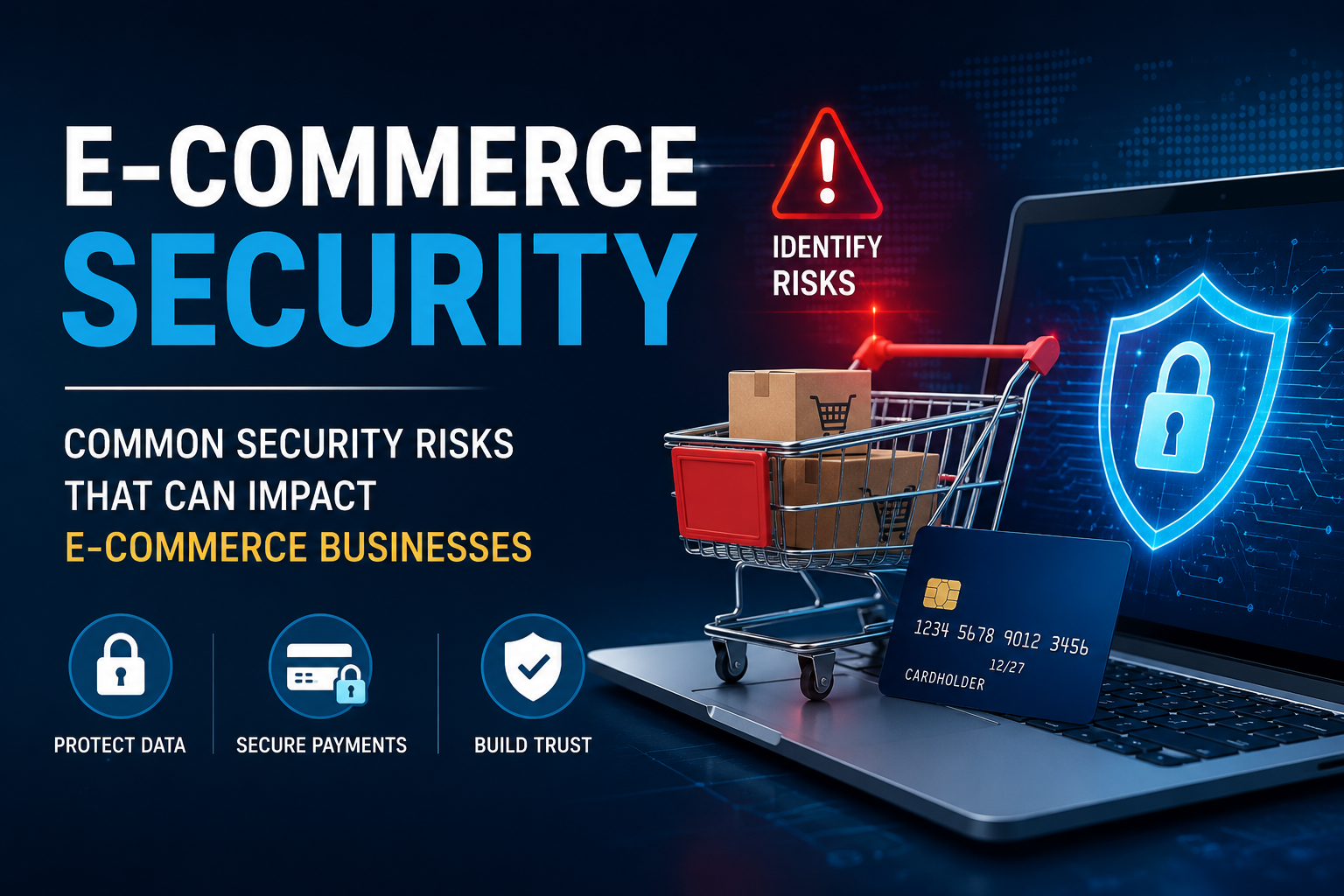
Common Security Risks That Can Impact E-Commerce Businesses
Introduction
E-commerce businesses handle valuable customer information, online payments, and large volumes of transactions. This makes online stores an attractive target for cybercriminals. Security risks can lead to data breaches, financial losses, fraud, and damage to customer trust.
Businesses can strengthen their online security by exploring professional e-commerce security solutions at https://www.rashicore.com/ecommerce1.php.
1. Data Breaches
Customer information such as names, email addresses, passwords, and payment-related data can be exposed when security controls are weak. Data breaches can cause financial and reputational damage to an e-commerce business.
Protecting sensitive customer information through proper security measures and encryption is essential for reducing this risk.
2. Payment and Checkout Attacks
Payment pages are often targeted by attackers because they process sensitive financial information. Weak payment security or poorly protected checkout systems can increase the risk of fraud and unauthorized transactions.
Secure payment processes and regular security monitoring can help businesses protect online transactions. Learn more about protecting e-commerce platforms at https://www.rashicore.com/ecommerce1.php.
3. Web Application Vulnerabilities
Online stores depend on websites and applications to manage products, customers, and transactions. Security weaknesses in these systems can allow attackers to gain unauthorized access or disrupt business operations.
Regular security assessments and timely updates can help identify and reduce potential vulnerabilities.
4. Fraud and Fake Orders
E-commerce businesses can also face risks from fake orders, payment fraud, and other online scams. These activities can result in financial losses and create additional operational challenges.
Monitoring transactions and implementing effective fraud detection measures can help businesses identify suspicious activity.
5. Customer Account Attacks
Weak passwords and compromised user credentials can put customer accounts at risk. Attackers may use stolen login information to access accounts and misuse personal information.
Businesses should encourage strong authentication practices and implement additional security measures to protect user accounts.
Conclusion
E-commerce security is essential for protecting customer data, online payments, and business operations. By identifying common risks and taking proactive security measures, businesses can reduce their exposure to cyber threats and build greater customer trust.
To learn more about solutions for protecting online stores, payment systems, customer data, and digital platforms, visit https://www.rashicore.com/ecommerce1.php.
 UK
UK
 USA
USA
 UAE
UAE
 Canada
 Australia
 Germany
 Singapore
 Netherlands