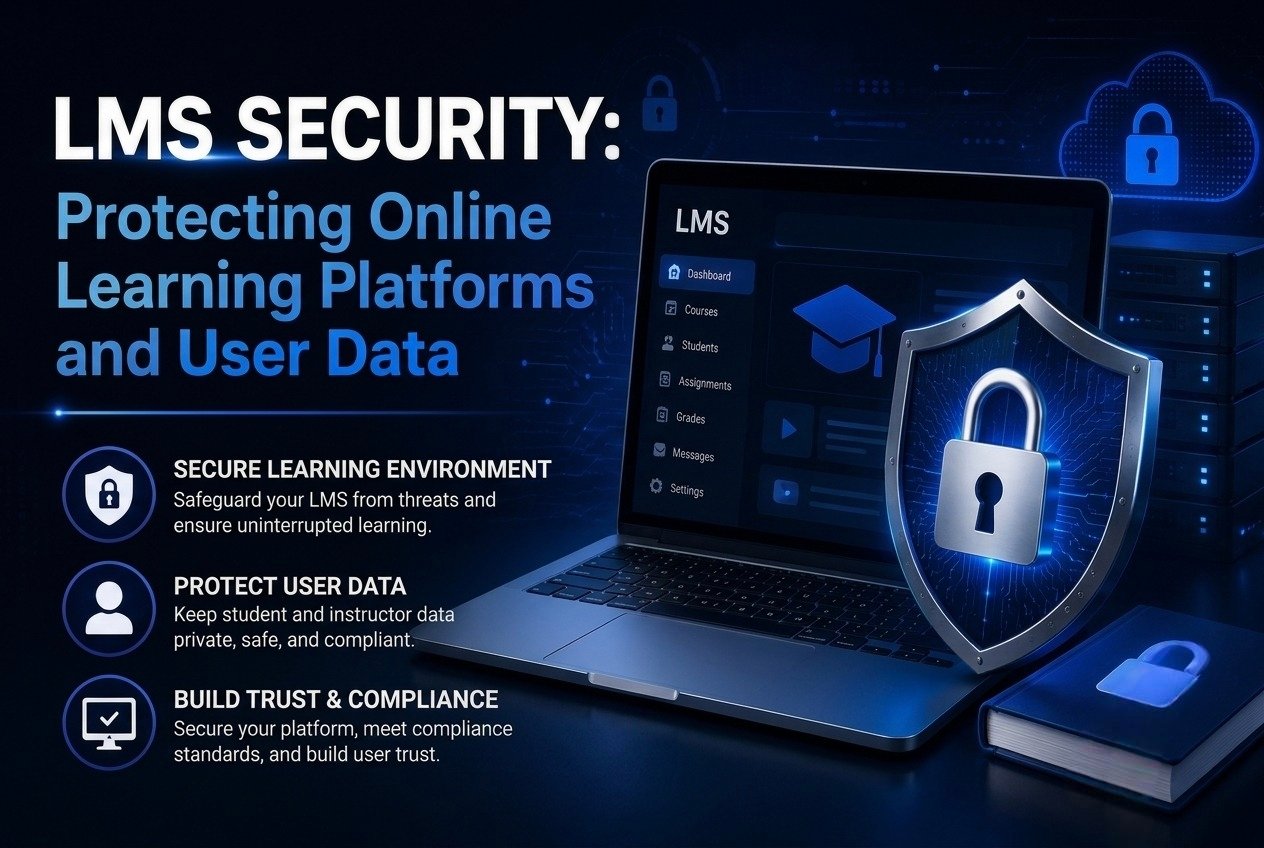
LMS Security: Protecting Online Learning Platforms and User Data
Online learning platforms have become an important part of modern education. Schools, universities, training institutions, and businesses use Learning Management Systems (LMS) to deliver courses, manage users, track learning progress, and store educational information.
However, LMS platforms also contain sensitive user data, including student information, login credentials, academic records, assessments, and personal details. This makes LMS security essential for protecting online learning environments from cyber threats.
Organizations looking to strengthen their digital education infrastructure can explore https://www.rashicore.com/education.php for education and technology-related solutions.
Why Is LMS Security Important?
An unsecured Learning Management System can become a target for cyberattacks such as unauthorized access, data breaches, phishing, malware, and ransomware. Strong LMS security helps protect sensitive information while ensuring that students, teachers, and administrators can safely access learning resources.
Effective security measures can include strong authentication, role-based access controls, data encryption, regular software updates, and user awareness training. These controls help reduce the risk of unauthorized access and data exposure.
Protecting User Access
User access management is one of the most important parts of LMS security. Every user should receive access based only on their role and responsibilities.
For example:
- Students should access only their learning materials and personal records.
- Teachers should manage their courses and student information.
- Administrators should have appropriate system-level access.
Multi-factor authentication and strong password policies can provide additional protection against compromised accounts and unauthorized login attempts.
For organizations focused on building secure and reliable digital learning environments, visit https://www.rashicore.com/education.php.
Protecting User Data
Learning platforms often collect and store valuable personal and educational data. Protecting this information requires strong security controls throughout the data lifecycle.
Important measures include:
- Encrypting sensitive data
- Securing data during transmission and storage
- Regularly backing up important information
- Applying security patches and updates
- Monitoring for suspicious activity
- Limiting unnecessary access to user data
Protecting learner privacy and personal information is essential for maintaining trust in online education platforms.
Best Practices for LMS Security
A secure LMS should combine technology, access controls, and user awareness. Organizations should regularly review user permissions, remove inactive accounts, monitor third-party integrations, and train users to recognize phishing and other cyber threats.
Security teams should also ensure that the LMS is regularly updated and that known vulnerabilities are addressed quickly.
Conclusion
LMS security plays a vital role in protecting online learning platforms, user accounts, and sensitive educational data. By implementing strong authentication, access controls, encryption, regular updates, and cybersecurity awareness, organizations can create a safer digital learning environment.
To explore technology solutions for modern educational environments, visit https://www.rashicore.com/education.php.
 UK
UK
 USA
USA
 UAE
UAE
 Canada
 Australia
 Germany
 Singapore
 Netherlands