DevSecOps: Integrating Security into the Software Development Lifecycle
Modern software development focuses on speed, continuous delivery, and rapid innovation. However, releasing software quickly without considering security can expose applications to vulnerabilities, data breaches, and cyberattacks. DevSecOps addresses this challenge by integrating security into every stage of the Software Development Lifecycle (SDLC).
What Is DevSecOps?
DevSecOps stands for Development, Security, and Operations. It extends the DevOps methodology by making security a continuous and shared responsibility across development and operations teams.
The goal is to identify and address security risks as early as possible rather than waiting until an application is ready for production. Organizations can strengthen their overall IT and software security strategy through dedicated security practices and solutions.
IT & Software Security:
https://www.rashicore.com/itsoftware.php
Why Is DevSecOps Important?
Integrating security throughout the SDLC helps organizations:
- Detect vulnerabilities earlier
- Reduce security risks before deployment
- Improve software quality
- Protect sensitive business data
- Strengthen application security
- Reduce remediation costs
- Improve software supply chain security
- Support secure and faster releases
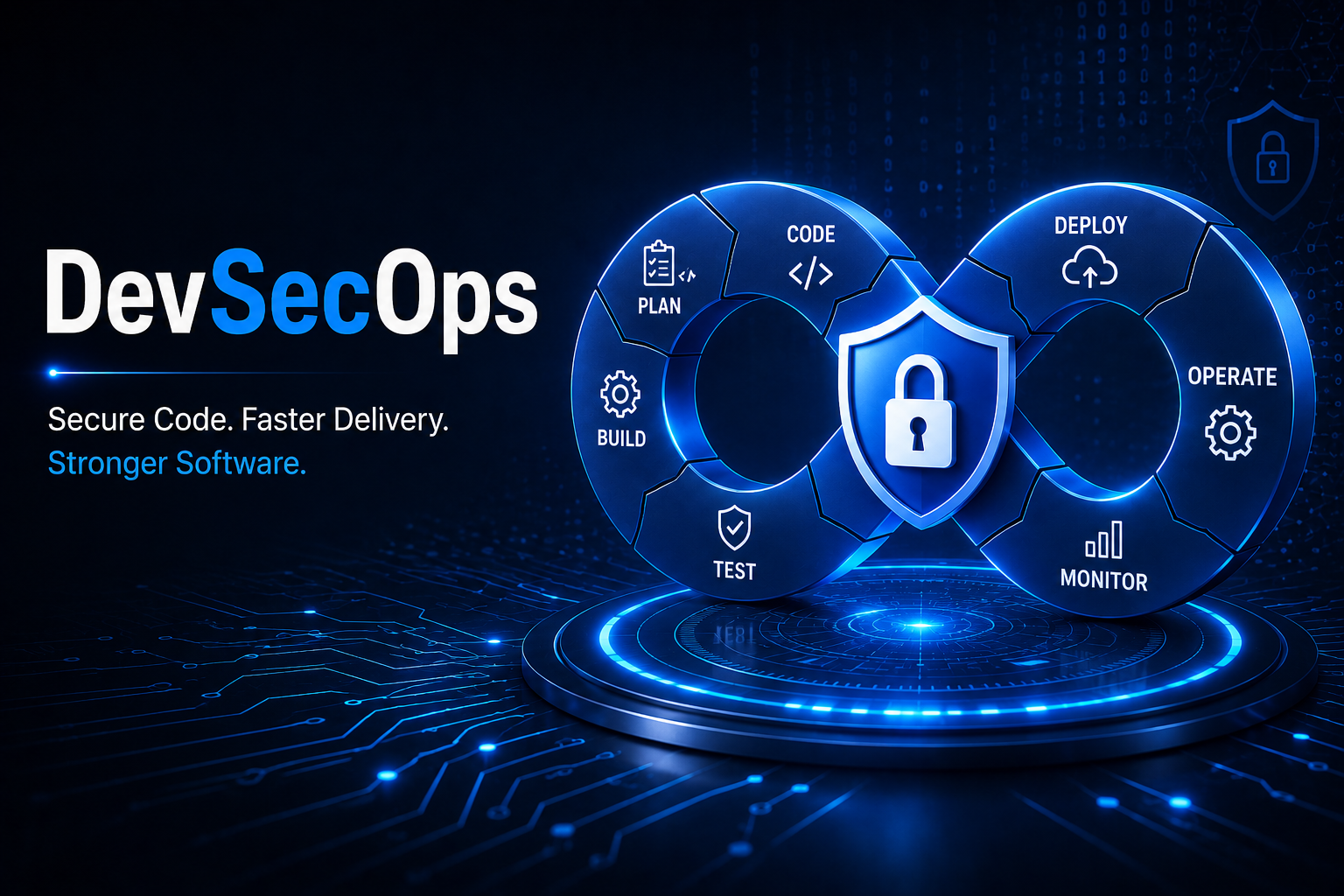
DevSecOps Across the Software Development Lifecycle
1. Planning and Requirements
Security should be considered during the planning stage. Development teams can identify security requirements, compliance needs, potential threats, and sensitive data that the application will handle.
Defining security requirements early helps teams build security into the application instead of treating it as an additional feature later.
2. Secure Coding
Developers should follow secure coding practices to reduce common vulnerabilities. Code reviews, secure development guidelines, dependency management, and developer security training can help identify weaknesses before they reach production.
For organizations working to improve their software security practices, IT and software security solutions can provide additional support.
Rashicore IT & Software Services:
https://www.rashicore.com/itsoftware.php
3. Continuous Security Testing
Security testing should be integrated into development and CI/CD pipelines. Automated tools can help identify vulnerabilities in source code, dependencies, containers, infrastructure configurations, and application components.
Security testing throughout development allows teams to address problems earlier and avoid costly fixes after deployment.
4. Dependency and Supply Chain Security
Modern software frequently uses third-party libraries and open-source components. These dependencies can introduce vulnerabilities or supply chain risks.
Organizations should monitor dependencies, maintain an inventory of software components, and assess the security of third-party components.
5. Secure CI/CD Pipelines
CI/CD pipelines automate the process of building, testing, and deploying software. Security controls can be integrated directly into these pipelines to detect vulnerabilities before software reaches production.
This approach helps development teams maintain both deployment speed and strong security controls.
6. Deployment and Monitoring
Security does not stop when software is deployed. Applications should be continuously monitored for suspicious activity, vulnerabilities, configuration issues, and emerging threats.
Continuous monitoring helps security and operations teams respond quickly when new risks are identified.
DevSecOps and IT Security
DevSecOps is an important part of modern IT security and software security because applications are closely connected to business infrastructure and data.
Organizations looking to strengthen their IT and software security capabilities can explore:
https://www.rashicore.com/itsoftware.php
Integrating security into IT and software environments can help businesses identify vulnerabilities, protect applications, and improve their overall security posture.
Conclusion
DevSecOps transforms software security by making it a continuous responsibility throughout the Software Development Lifecycle. From planning and coding to testing, deployment, and monitoring, security controls can be integrated into every stage of development.
By adopting automated testing, secure coding practices, dependency monitoring, CI/CD security, and continuous monitoring, organizations can build more secure applications without sacrificing development speed.
For more information about IT and software security solutions, visit:
https://www.rashicore.com/itsoftware.php
 UK
UK
 USA
USA
 UAE
UAE
 Canada
 Australia
 Germany
 Singapore
 Netherlands